
Logistics Series

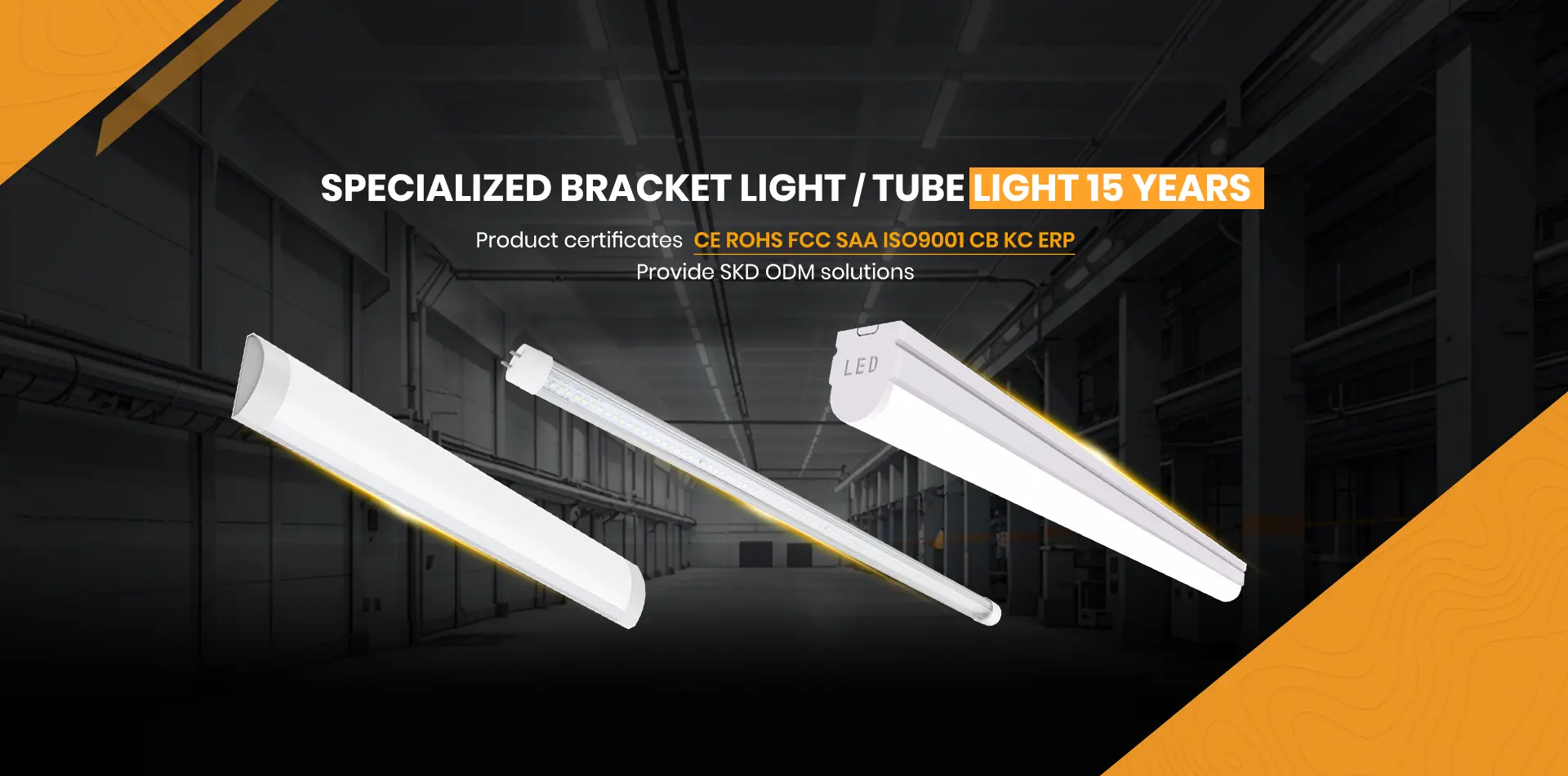
Panama Canal Zone 300/600/1200mm 18–60W LED Ceiling Panel Light
18–60W
Bi-Level Dimming
Colón Hub Rated
Engineered to withstand coastal humidity, salt spray, and extreme operational heat across Central American industrial corridors.
A strategic overview of smart industrial lighting economics, the decarbonization imperative in the Latin American logistics gateway, and international standardizations.
Panama occupies a unique crossroad in world commerce. With the continuous expansion of the Panama Canal, the high-density warehousing in the Colón Free Trade Zone (Zona Libre de Colón), and transshipment terminals like Manzanillo and Balboa, round-the-clock operations are the industry norm. However, commercial electricity tariffs across Panama (averaging $0.16 to $0.22/kWh) represent an immense operating expense for multi-hectare cold-chain facilities, container freight stations, and bonded warehouses. The tropical maritime climate, characterized by relentless relative humidity (RH 80%–95%), continuous salinity exposure, and intense ambient heat, creates severe luminaire failure rates for standard sensor systems. Integrating intelligent microwave sensing with bi-level dimming allows logistics operators to slash baseline utility consumption by 65% to 80% while retaining instant-on perimeter and workplace security.
The worldwide industrial sensor lighting sector is moving beyond legacy PIR (Passive Infrared) detection into 5.8GHz high-frequency microwave radar arrays and Bluetooth SIG / Zigbee mesh networks. Globally, decarbonization mandates such as ISO 50001, LEED v4.1 certifications, and regional GHG emission restrictions drive enterprises to eliminate perpetual full-power illumination. Modern smart luminaires operate as responsive lighting nodes: operating at a 10–20% stand-by lumen output during non-peak cycles and ramping to 100% within 0.2 seconds upon human or forklift detection. When matched with robust die-cast thermal enclosures and anti-corrosive powder coatings, the Total Cost of Ownership (TCO) drops dramatically, achieving complete CapEx amortization within 11 to 14 months.
Factory-direct industrial reference costs for infrastructure procurement, engineering procurement construction (EPC) contractors, and Panama Canal Authority suppliers.
| Series & Model Category | Wattage Band | Sensor Architecture | Ingress & Impact | Panama Canal Application | Target Export Price (USD) |
|---|---|---|---|---|---|
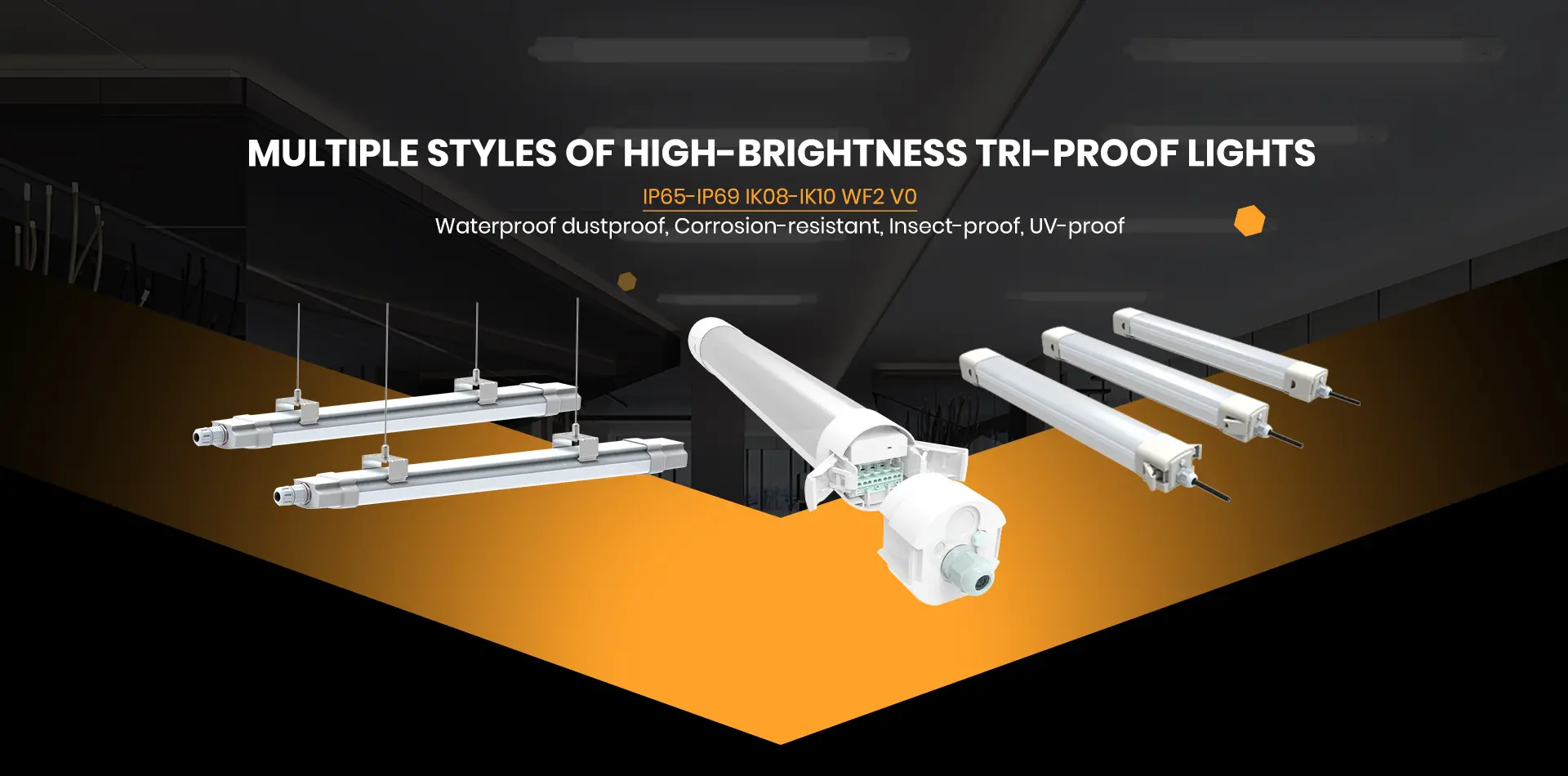
| Scoden Eco-Sense Batten (IP65) | 20W – 40W | 5.8GHz Radar + Bi-Level | IP65 / IK08 Polycarbonate | Colón FTZ High-bay Racks | $14.50 – $22.80 |
| Heavy Tri-Proof Marine Batten | 36W – 60W | Microwave + Daylight Harvest | IP66 / IK10 Marine Grade | Balboa Transshipment Berths | $26.00 – $38.50 |
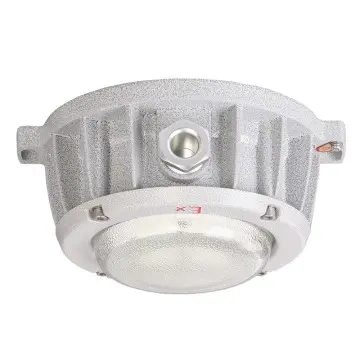
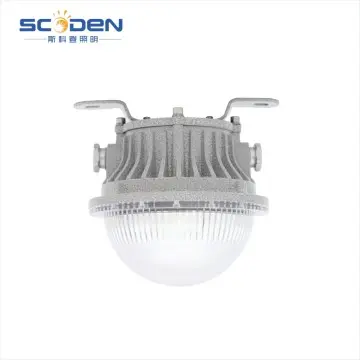
| Hazardous Zone Ex-Proof Ceiling | 20W – 50W | Intelligent Step-Dimming | Class I Div 2 / Zone 1-21 | Canal Fuel Bunkering & Tanks | $58.00 – $92.00 |
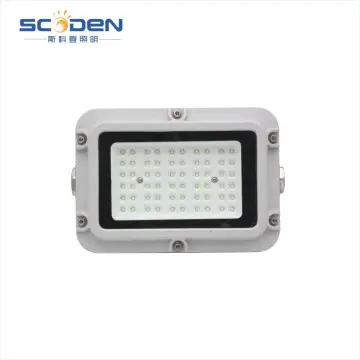
| Modular Industrial Ex-Flood | 100W – 300W | Wide-Angle Sensor Override | IP66 / Die-Cast ADC12 | Mining & Interoceanic Railway | $115.00 – $240.00 |
| Emergency Backup Sensor Stent | 18W – 36W + 90min | LiFePO4 Internal Driver | IP65 Flame Retardant | Tocumen Cargo Tunnels & Power | $21.00 – $34.00 |
How customized sensor logic tackles the distinctive microclimatic and regulatory demands of Central America's prime logistics platform.
Challenge: Warehouses with 12m-high ceilings where goods move unpredictably. Traditional PIR fails due to high ambient thermal drafts from metal deck roofs.
Solution: Scoden's high-frequency 5.8GHz microwave sensors penetrate atmospheric humidity and dust, enabling instantaneous 100% illumination only in aisles actively traversed by material handling equipment.
Challenge: Combustible petrochemical vapors (IIA/IIB volatile hydrocarbons) combined with sea salt atmospheric attack causing enclosure degradation.
Solution: Integrated explosion-proof luminaires built with low-copper aluminum housings, fluorine carbon surface protection, and sealed radar modules compliant with Zone 1/21 explosion prevention.
Challenge: Rapid transitions from -25°C freezing units to 32°C loading bays generate intense condensation, fogging, and fixture corrosion.
Solution: Fully sealed seamless IP66 PC battens equipped with internal breathers and low-temperature driver circuitry that preserve sensor calibration without false-tripping.
What overseas buyers actually ask us about: sample speed, customization depth, quality control, and the people behind every order from Yueqing, Zhejiang, China.
Original certified models ready for immediate OEM production, SKD kit fulfillment, and global engineering deployment.


Avoid costly RFQ stalls. Verify your hazardous zones, gas categorization, and corrosion classes under IEC 60079 & UL 844 requirements before final purchase orders.
Zone 0 / 20: Continuous explosive atmosphere presence.
Zone 1 / 21: Incidental presence during normal operational run.
Zone 2 / 22: Infrequent, short-duration containment faults.
Group IIA: Propane, butane, standard petroleum vapors.
Group IIB: Ethylene, town gases, industrial solvent emissions.
Group IIC: Highly volatile hydrogen and acetylene chemistry.
IP66: Powerful high-pressure seawater washdown integrity.
IK10: 20 Joules mechanical impact protection for freight areas.
T-Class: T6 rated surface temperature not exceeding 85°C.
Comprehensive engineering clarifications provided directly by Scoden's R&D and international supply chain divisions.
Send us your layout blueprints, mounting parameters, and lux objectives. Our engineering division in Yueqing delivers tailored IES design schemes, customized sample validation, and direct Panama CIF quotes within 24 hours.