
Tokyo Cleanroom Class
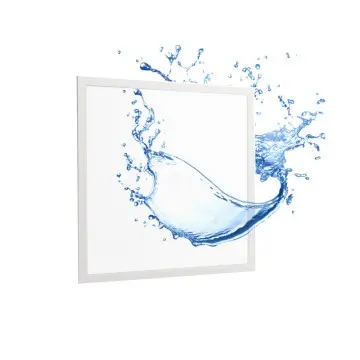
Tokyo Cleanroom 300/600/1200mm 18–60W LED Ceiling Panel Light
18–60W
Zone 2 Dust/Gas
CE Certified
Field-proven luminaires tested to rigorous CE, ATEX, and IP66 standards, engineered for the demanding structural, seismic, and chemical standards required across Tokyo's high-tech manufacturing and energy terminals.
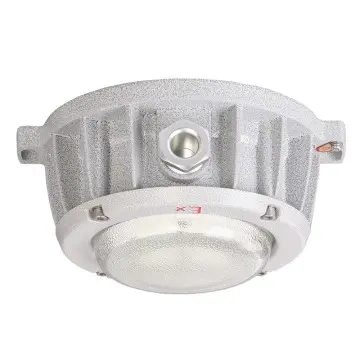
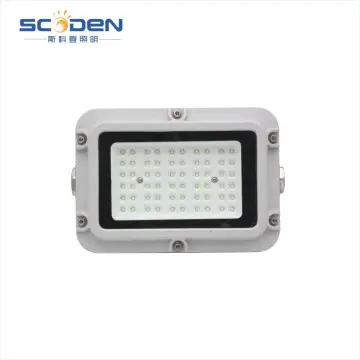
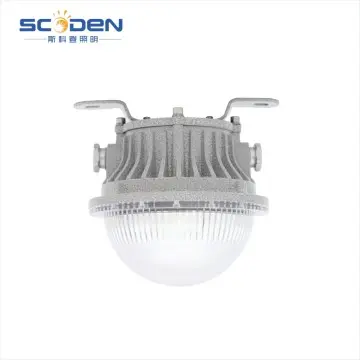
The Greater Tokyo metropolitan area and adjacent Keiyo/Keihin Industrial Zones encompass Japan's most concentrated cluster of high-density petrochemical refining, pharmaceutical synthesis, EV lithium-battery testing, and underground automated logistics. Sourcing lighting systems for these zones requires adherence to stringent physical and electrical criteria.
Spanning Chiba, Kawasaki, and Yokohama surrounding Tokyo proper, liquid natural gas (LNG) regasification stations and chemical refineries operate 24/7. Coastal airborne salinity combined with ethylene and hydrogen atmospheres requires luminaires with copper-free aluminum alloy housings, C5-M marine-grade anti-corrosion fluorocarbon coating, and Ex d/Ex e ignition protection.
R&D campuses across Ota City, Kanagawa corridors, and Tsukuba involve hazardous test bays containing flammable off-gassing from volatile solvents and thermal-runaway testing. These environments require Zone 1/21 certified LED luminaires engineered with low surface operating temperatures (T5/T6 ≤ 85°C–100°C) to prevent catastrophic flash ignition.
Tokyo's building codes mandate stringent resilience against severe seismic events. Industrial explosion-proof lights must maintain physical mount integrity and internal connection security under high-frequency G-force shocks. Dual-bracket safety chains, high tensile 304/316 stainless-steel hardware, and potted power drivers are standard procurement requirements.
Procurement engineers and EPC contractors navigating Japanese tenders frequently face intersecting compliance frameworks. While Japan utilizes the TIIS explosion-proof certification for domestic high-hazard plant zones, multinational EPC firms, equipment import integrators, and export-bound skid manufacturers in Tokyo extensively utilize CE-marked, ATEX-harmonized, and IECEx-aligned fixtures.
| Evaluation Parameter | European CE / ATEX Standards | Japanese Industrial Baseline (JIS/TIIS Framework) | Scoden Factory Production Standard |
|---|---|---|---|
| Explosion Protection Gas | EN IEC 60079-0, EN 60079-1 (Ex d), EN 60079-7 (Ex e) | JIS C 60079 series (Harmonized with IEC standard) | Flameproof (Ex d) + Increased Safety (Ex e), IIC Rated |
| Combustible Dust | EN 60079-31 (Ex tb / Ex tc) IIIC Db/Dc | JIS C 60079-31 conductive/non-conductive dust | Ex tb IIIC T80°C/T95°C Db, IP66 enclosure sealing |
| EMC & Radio Interference | EN 55015, EN 61547, EN 61000-3-2 (Class C harmonics) | VCCI Class A/B suppression protocols | Total Harmonic Distortion (THD) < 10%, Zero high-frequency flicker |
| Thermal Endurance | T1 to T6 rating classification (EN 60079-0) | Temperature classes G1 to G5 | Optimized T6 (≤ 85°C) & T5 (≤ 100°C) thermal management cavities |
| Voltage Tolerances | 230V ± 10%, 50Hz single phase | 100V / 200V dual-grid baseline (50Hz Tokyo / 60Hz Western Japan) | Universal wide-band driver: AC85–265V / AC100–277V 50/60Hz adaptive |
Hazardous area industrial lighting failures are rarely caused by LED diodes; they stem from heat saturation, driver fatigue under erratic power grids, or micro-fractures in physical enclosures. Scoden addresses these structural vulnerabilities through advanced manufacturing protocols.
Our heavy-duty floodlights feature an isolated three-chamber design separating the light engine, terminal wiring compartment, and driver housing. This configuration eliminates conductive thermal coupling, ensuring that heat generated by 100W–400W LED arrays does not degrade driver capacitors, preserving an L70 life rating exceeding 50,000 hours.
Industrial plants across coastal Tokyo experience transient voltage spikes from heavy inductive crane motors, compressors, and coastal electrical storms. Scoden drivers integrate multi-stage 6kV–10kV surge protection alongside continuous auto-reset thermal throttling, ensuring uninterrupted illumination during power grid fluctuations.
High-ceiling industrial hangars and inspection walkways require uniform luminous distribution without blinding workers. Using prismatic borosilicate glass and precision Japanese-engineered secondary PMMA/PC lenses, our systems achieve a unified glare rating (UGR) < 19 while providing symmetrical and asymmetrical throw patterns.
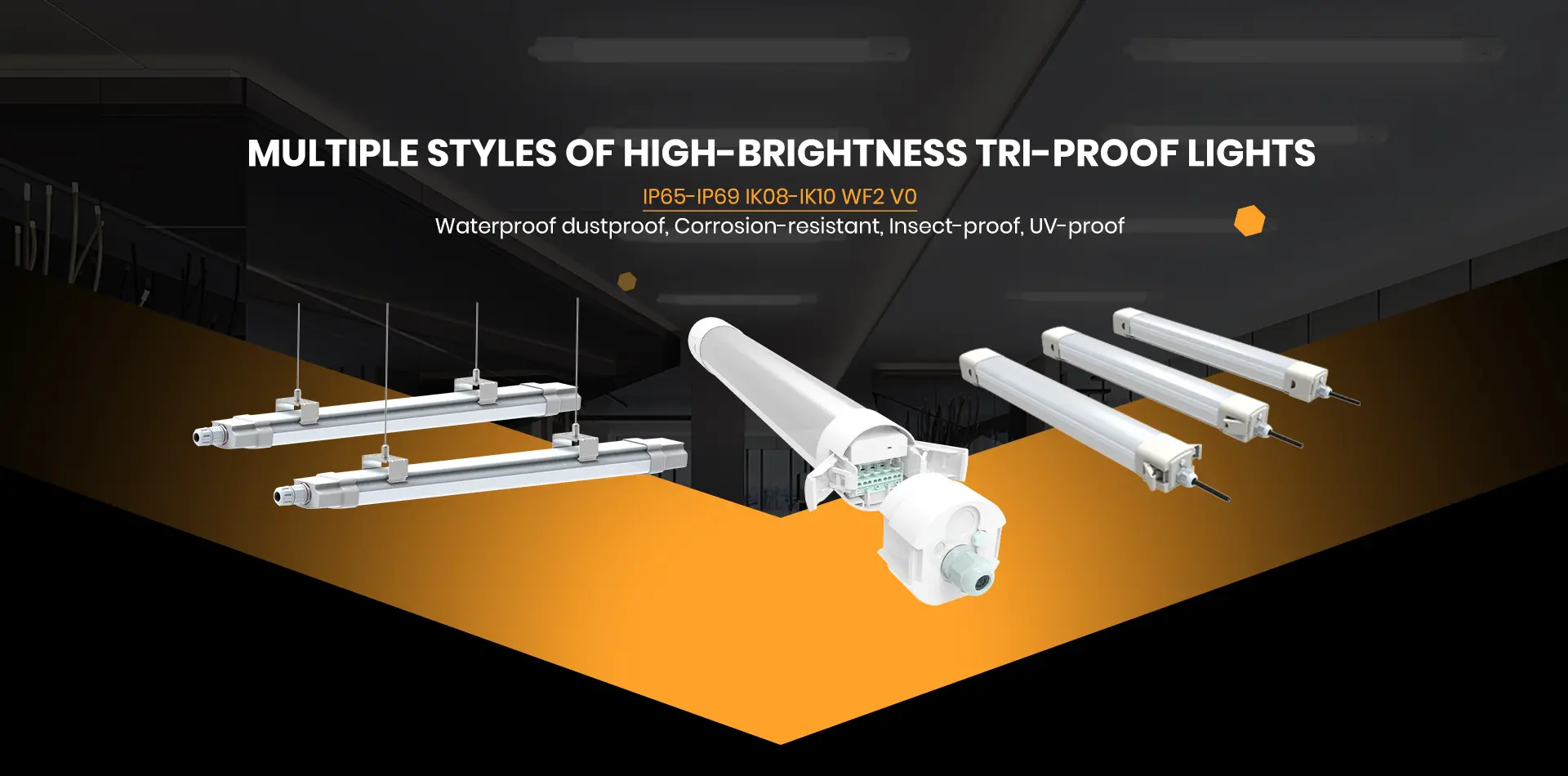
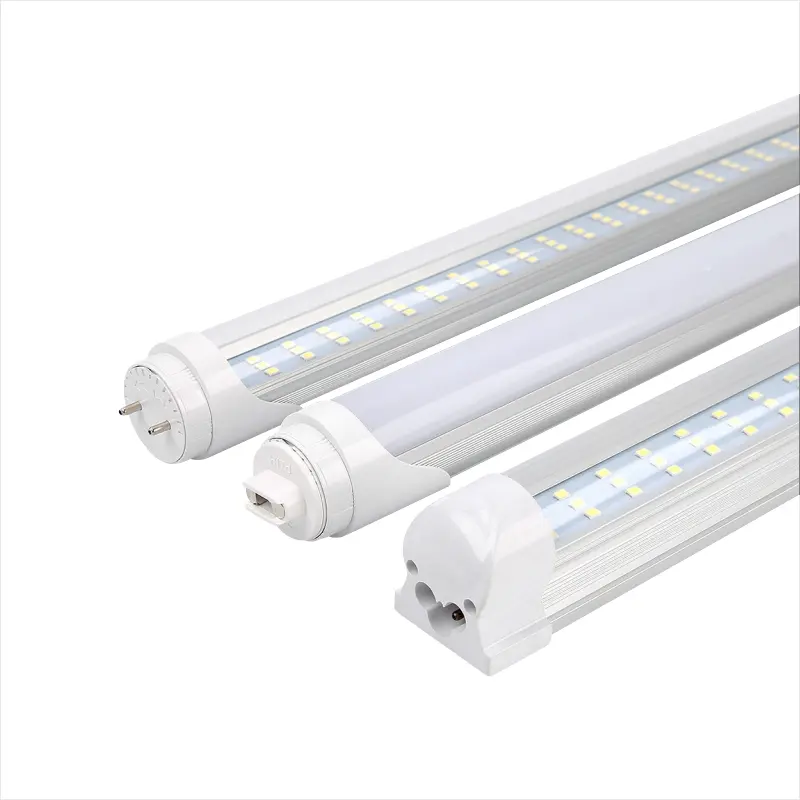
Explore our comprehensive catalog of CE-certified explosion-proof, tri-proof, and high-efficiency luminaire series engineered for procurement managers, technical distributors, and facility operators serving Tokyo and global export markets.


Located in Yueqing, Zhejiang—the renowned center of electrical equipment engineering in China—Scoden Lighting operates under an ISO 9001 certified quality infrastructure. Direct factory supply eliminates intermediary friction, providing transparent compliance documentation, IES photometric test files, and customizable SKD/OEM programs.
Equipped with our own goniophotometer darkroom, we deliver verified, real-world IES and LDT files to engineering teams for Dialux/Relux simulations, guaranteeing exact lux level verification for Tokyo infrastructure projects.
Each batch undergoes 100% high-voltage withstand (Hi-Pot) insulation testing, grounding resistance screening, and rigorous 48-hour continuous elevated-temperature burn-in routines before clearance.
To accommodate Japanese assembly partnerships and minimize tariffs, Scoden delivers semi-knocked-down (SKD) kits, providing precertified aluminum housings, LED engines, and CE-compliant terminal blocks.
Direct access to our R&D mechanical engineers and multilingual export specialists ensures that technical parameters, custom conduit thread adaptions (Metric, NPT, G-threads), and custom bracket designs are accurately delivered.
The future of industrial lighting extends beyond passive illumination. As smart facilities and unmanned processing plants expand throughout Tokyo, hazardous fixtures are evolving into interconnected sensory endpoints.
Deploying safe, low-power intrinsically safe RF communication gateways within heavy die-cast bodies. Facilitates autonomous scene setting, dynamic energy conservation according to personnel presence, and integrated plant monitoring.
Integrated temperature and electrical sensor arrays analyze driver degradation in real-time, communicating lifespan metrics over facility networks before physical failures occur, substantially reducing downtime during shutdown overhauls.
Moving toward solid-state supercapacitor backups for emergency fixtures, replacing legacy nickel-cadmium batteries to ensure operation over wide temperature swings (-40°C to +65°C) without risk of cell swelling or leakage.
Key regulatory, electrical, and commercial clarifications for engineers and procurement managers sourcing hazardous location fixtures for the Tokyo market.
Connect directly with Scoden Lighting’s engineering team in Yueqing. Receive tailored quotes, complete IES photometrics, CE/ATEX test records, and comprehensive tender support for projects throughout the Tokyo Metropolitan Area.