

New Zealand Commercial Grade 18–60W LED Cleanroom Ceiling Panel
18–60 W
Cleanroom/Lab
Low UGR < 19
Pre-configured luminaire systems featuring smart microwave dimming drivers, corrosion-immune polycarbonate casings, and high-efficiency thermal balancing for New Zealand commercial and agricultural sites.


Navigating the rigorous climatic, energy, and regulatory demands of Aotearoa's logistics nodes, dairy processing facilities, and geothermal-proximate distribution hubs.
Under EECA (Energy Efficiency and Conservation Authority) mandates, New Zealand facilities require immediate transitions to smart demand-response illumination. Autonomous step-dimming luminaires operating on 5.8 GHz Doppler radar protocols reduce idle corridor and cold storage power consumption by up to 78% without compromising sudden-transit occupant safety.
From the high salt fog of the Hauraki Gulf and Bay of Plenty to sulfur-rich volcanic vapors across Rotorua and the Taupō volcanic zone, traditional metal halide and unsealed batten fixtures succumb rapidly to galvanic degradation. Our IP66 virgin polycarbonate, UV-stabilized resins, and SS316 fasteners prevent chemical ingress and housing stress-cracking.
New Zealand's isolated grid infrastructure demands luminaires with exceptionally low Total Harmonic Distortion (THD < 10%) and Power Factor > 0.95. Uncertified switching drivers introduce severe electromagnetic back-feed into automated PLC networks on milk-powder processing lines and sorting conveyors, making CE EMC and AS/NZS CISPR 15 adherence non-negotiable.
Architecting long-lifecycle sensing networks from autonomous microwave hardware to interoperable industrial IoT lighting backbones.
Our current benchmark architecture pairs high-sensitivity 5.8GHz microwave transceivers with adjustable DIP switch matrices. System operators configure detection radiuses (2m to 8m), hold times (5s to 30min), daylight harvesting lux thresholds (10 to 50 Lux), and dim-down standby levels (10% to 30%), mitigating false triggering caused by HVAC vibration.
Standardized bidirectional integration allowing dynamic feedback to building management systems (BMS). Luminaires relay occupancy metadata, individual lumen degradation status, and thermal junction temperatures over unified twisted-pair field-bus topologies, simplifying facility-wide auditing for carbon emission inventories.
The emerging frontier for high-density logistics facilities in Christchurch and Auckland involves embedded BLE beacons within the tri-proof luminaire driver housing. This enables internal personnel tracking, asset tracing in automated high-bay racking, and thermal mapping without redundant infrastructure costs.
Are you specifying a massive distribution center, an underground mine, or a coastal food processing project? Our engineering darkroom generates customized photometric .IES files directly compatible with DIALux and AGi32 simulations, verifying exact lux footprints and sensor overlap before manufacturing begins.
Purpose-built engineering interventions addressing distinct environmental failure modes across New Zealand commercial sectors.
Large fulfillment hubs suffer massive parasitic electrical loads from unmonitored lighting in narrow aisles. Scoden's intelligent directional sensor light solutions instantly ramp from a 15% standby safety glow to 100% illumination within 0.2 seconds upon forklift approach, eliminating dark shock and reducing facility operational costs dramatically.
Traditional PIR sensors fail completely at temperatures between -20°C and -35°C due to degraded thermal differentials. Our 5.8 GHz microwave motion architecture operates unaffected by air temperature fluctuations. High-potency silicone gaskets maintain elasticity without embrittlement, protecting internal electronics from internal condensate frost.
Milk powder bagging plants and sanitary separation zones undergo rigorous chemical clean-in-place (CIP) and pressure washdown cycles. The seamless, crevice-free exterior of our IP66 LED tri-proof luminaires prevents bacterial harborage, while our chemical-resistant PMMA/polycarbonate materials withstand active alkaline caustic washes.
Direct-from-source engineering execution eliminating multi-tiered importer markups while ensuring zero-tolerance quality assurance.
Located in Yueqing, Zhejiang—the definitive electrical manufacturing epicenter of China—Scoden Lighting harnesses immediate upstream clustering. From high-grade aluminum die-casting, precision SMT pick-and-place lines, to automated silicone gasket vulcanization, our supply chain reduces production lead times to under 18 business days.
Our facility operates under an ISO 9001 certified quality framework. Every luminaire undergoes continuous automated 100% aging burn-in cycles (4 to 8 hours), hi-pot dielectric strength isolation testing (up to 3750V), and comprehensive integrating-sphere verification before customs clearance packaging.
| Compliance Standard | European Standard (CE) | New Zealand Target (AS/NZS) |
|---|---|---|
| Electrical Safety | EN 60598-1, EN 60598-2-1 | AS/NZS 60598.1 Harmonized |
| EMC Emission | EN 55015 / CISPR 15 | AS/NZS CISPR 15 (RCM Mark) |
| Sensor Protocol | RED Directive 2014/53/EU | Radio Communications Regs (RSM) |
| Mechanical Ingress | EN 60529 (IP65 / IP66) | AS 60529 (IP Verification) |
| Hazardous Areas | ATEX Zone 1/21, 2/22 | IECEx Scheme Alignment |
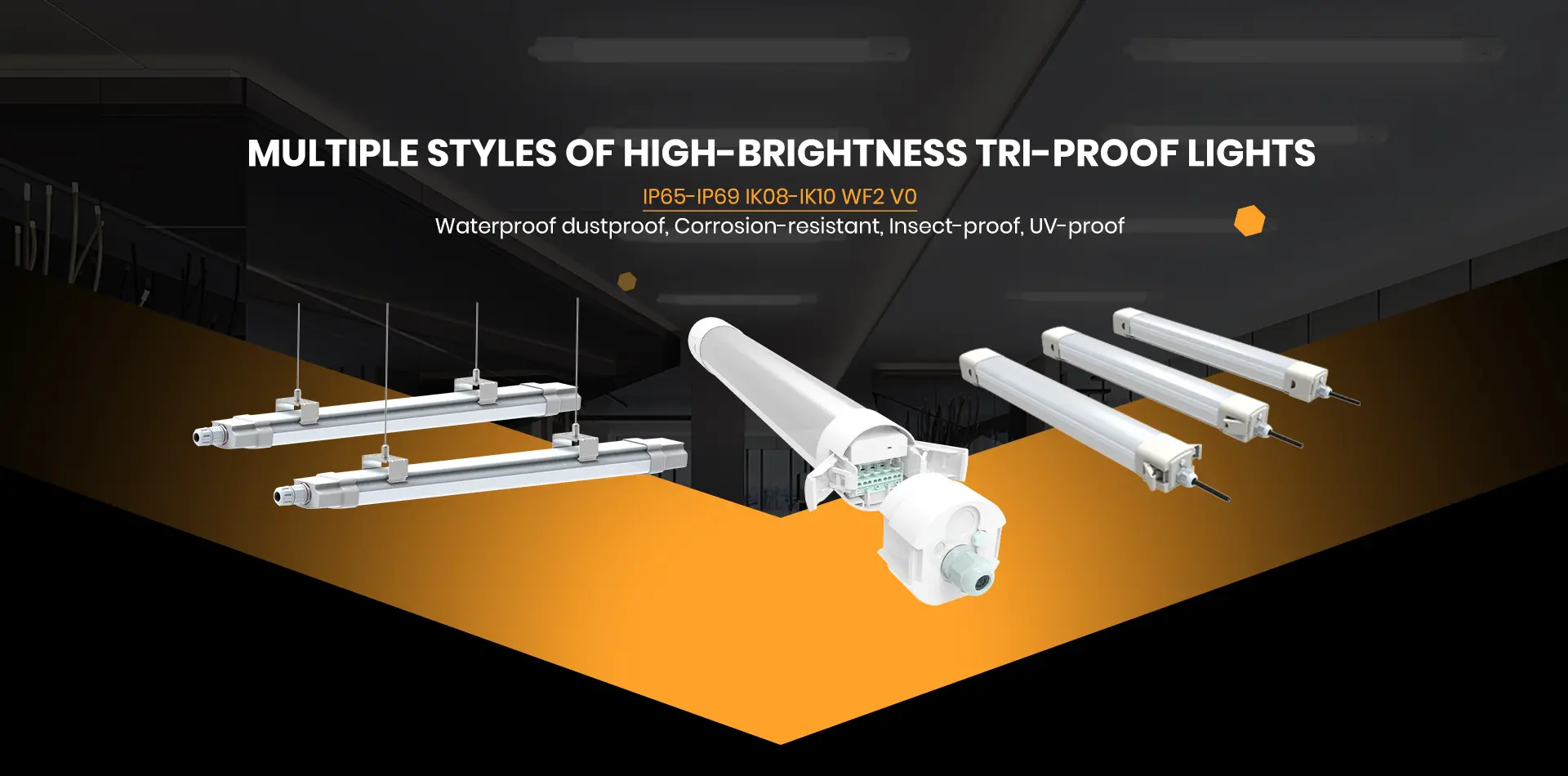
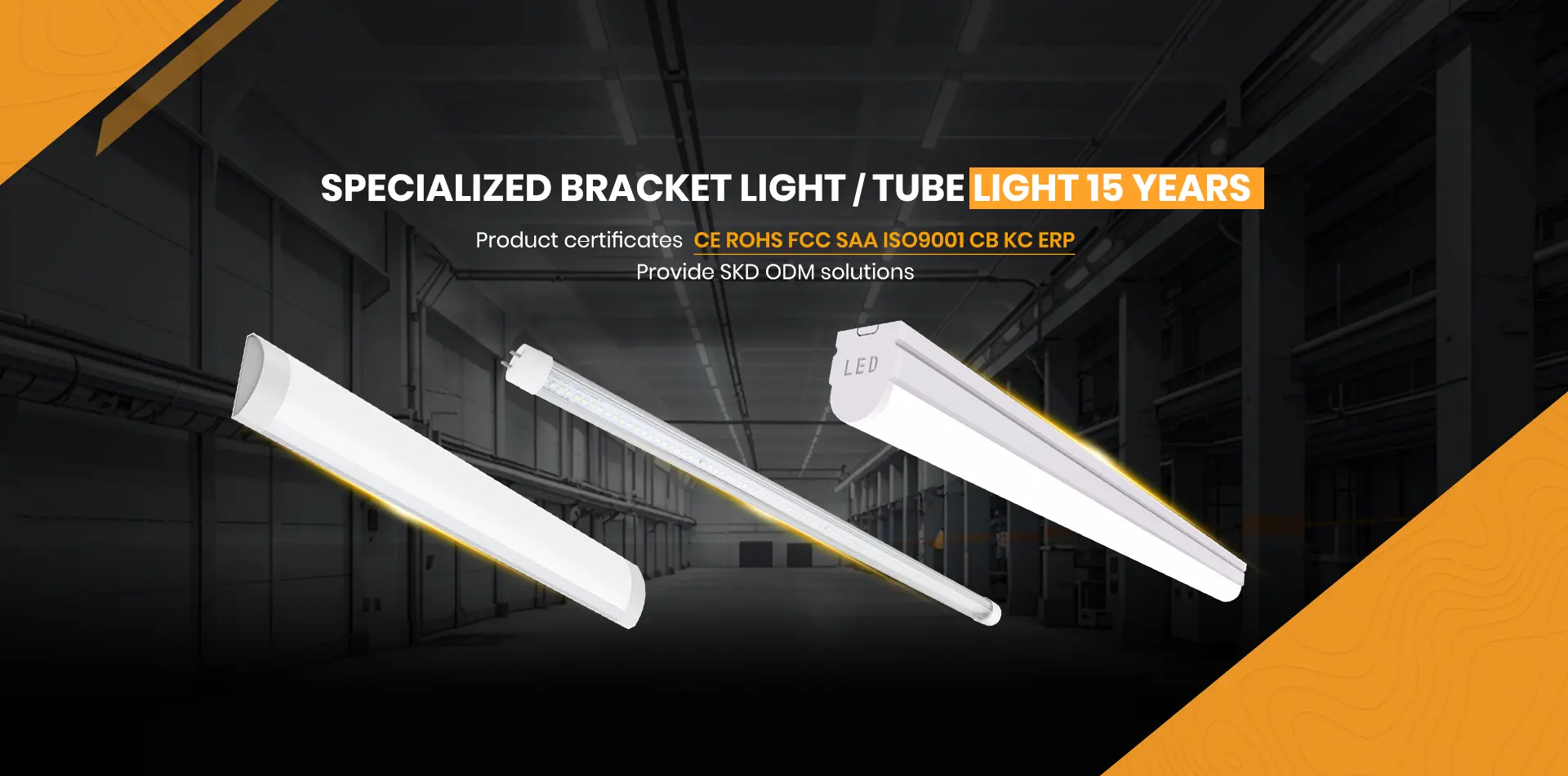
Comprehensive luminaire models engineered for high-abuse zones, extreme operating temperatures, and autonomous energy saving throughout New Zealand.


Key risk-mitigation benchmarks to consider when sourcing factory-direct industrial luminaires from China.
Always verify genuine test reports showing EN 55015 / CISPR 15 emissions compatibility and Low Voltage Directive (LVD) documentation. Scoden supplies traceable certificate sets alongside IES photometric archives, empowering your team to secure immediate building inspector approval.
To reduce ocean freight volume and leverage regional tariff frameworks, Scoden provides SKD (Semi-Knocked-Down) kits containing precision-punched aluminum housings, wired LED boards, and sealed drivers, ready for rapid final assembly and local brand labeling in New Zealand.
Industrial reliability hinges on premium component sourcing. We strictly deploy high-binning San'an and Epistar SMD arrays paired with isolated, surge-suppressed constant-current drivers, maintaining stable lumen maintenance beyond L70B50 @ 50,000 operational hours.
Detailed insights from our engineering and export departments addressing direct New Zealand commercial deployment.