
High-Efficiency Integrated Energy-Saving Luminaires (Top Selections)
Engineered for harsh environments, heavy industrial plants, and energy-critical retrofits. Every unit undergoes 100% aging burn-in and strict photometric calibration.
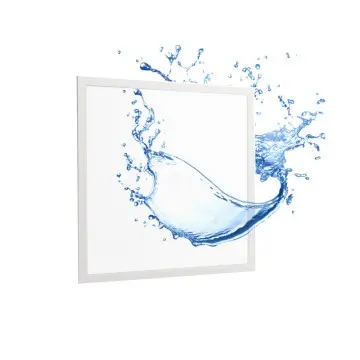
300/600/1200mm 18–60W LED Ceiling Panel Light
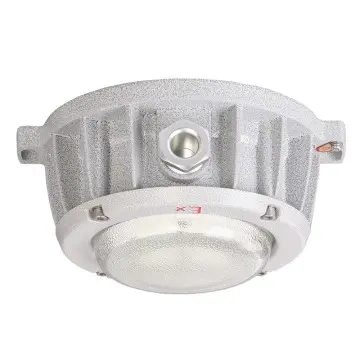
20–50W Round Mini Explosion-Proof Ceiling Light
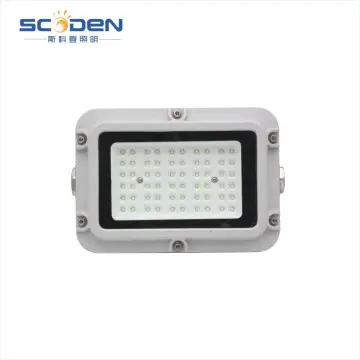
30–50W Rectangular Explosion-Proof LED Flood Light
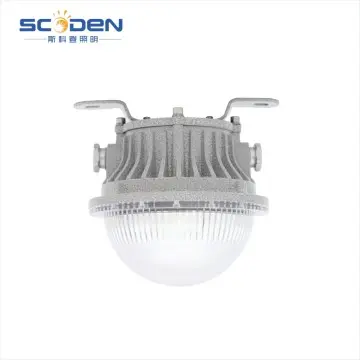
10–24W AC85–265V 120 lm/W Explosion Light
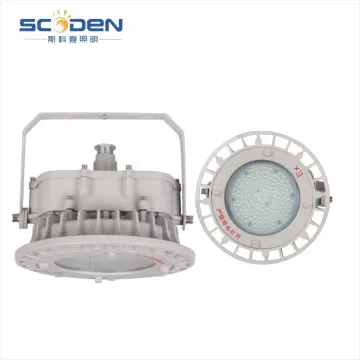
High Lumen 120 lm/W Round Mining Explosion Ceiling Light
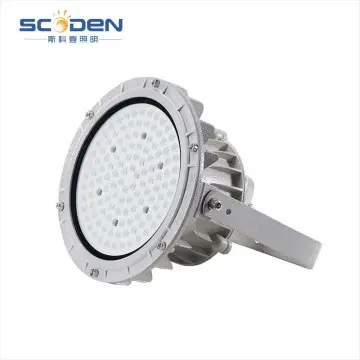
100W + 30W Emergency Backup Explosion-Proof LED Lamp
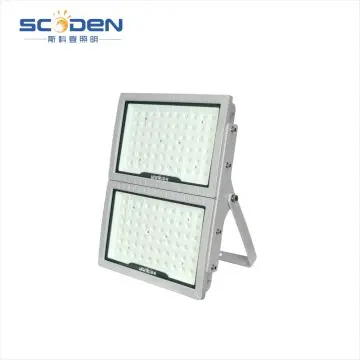
75–300W Compact Explosion-Proof Industrial Floodlight
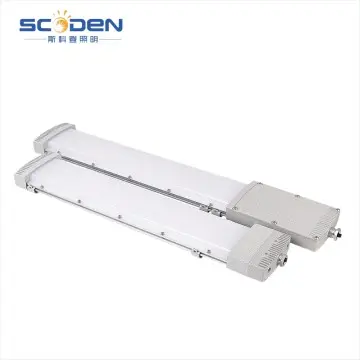
Long Strip LED Explosion-Proof Fluorescent Light 20–60W
The Global Transition to Integrated Energy-Saving Lighting Architectures
Industrial facility operators, EPC contractors, and global supply managers face severe pressures from decarbonization mandates (EU CBAM, US DOE 2028 energy acts) and skyrocketing maintenance labor costs. Discrete legacy lamps with separate ballasts and fragile tubes are rapidly being decommissioned worldwide in favor of single-chassis, integrated energy-saving solid-state luminaires.
System Efficacy Escalation (140–170 lm/W)
Traditional compact fluorescent (CFL) and metal halide fixtures dissipated upwards of 60% of electrical input as ambient heat, operating at dismal total luminous efficacies of 55 to 80 lm/W. Integrated LED lighting designs merge custom metal-core printed circuit boards (MCPCBs) directly onto monolithic die-cast aluminium or thermal polycarbonate bodies. By coupling advanced surface-mount diodes (SMD 2835 / 3030) with constant-current drivers operating above 93% electrical efficiency, modern integrated fixtures deliver sustained luminous efficacies between 130 and 170 lm/W. This paradigm shift delivers measurable energy reductions between 62% and 78% across 24/7 continuous industrial operations.
- 60%+ lower operating thermal profile
- Power Factor > 0.95 with low THD < 12%
Elimination of Mechanical Points of Failure
The foremost operational hazard of modular lamps in vibrating or corrosive industrial facilities is the failure of intermediate connections: loose G5/G13 bi-pin lampholders, degraded tombstone sockets, and moisture infiltration around separable tube end-caps. Integrated energy-saving lamps seal driver circuitry, diode arrays, and secondary optical diffusers inside an impermeable, unified chassis rated from IP65 to IP66 and IK08 to IK10. This structural integration eliminates internal condensation, prevents galvanic pin corrosion, and withstands continuous industrial plant harmonics, dramatically lowering total cost of ownership (TCO).
- Zero socket degradation over 50,000+ operating hours
- Complete immunity to airborne aerosol oil mist
Adaptive Photometrics & Smart Building Integration
Global commercial installations require dynamic responsiveness rather than static lumen output. Contemporary integrated luminaires integrate built-in daylight harvesting sensors, high-frequency 5.8 GHz microwave motion detectors, and 0–10V / DALI-2 bi-directional dimming buses directly into the sealed lamp assembly. When spaces such as logistics corridors, underground parking decks, or chemical staging bays are vacant, integrated sensors automatically step illumination down to an energy-conserving 10%–20% stand-by level, slashing real-world building energy profiles by up to 85% without sacrificing worker safety.
- Corridor function & hold-time programmability
- Emergency autonomous battery operation > 90 min
Yueqing Electrical Capital Ecosystem & Factory Efficiency
Zhejiang Skodan Lighting Co., Ltd. (Scoden Lighting) harnesses the world's most dense electrical and precision manufacturing ecosystem in Yueqing, Wenzhou. By eliminating logistical bottlenecks and maintaining end-to-end tooling, stamping, die-casting, and optical measurement capabilities, we minimize procurement lead times while guaranteeing institutional-grade reliability.
High-Efficiency Production
Rapid CNC prototyping, agile tooling adjustments, and synchronized assembly lanes enable accelerated delivery schedules for global export distributors.
- Fast sample proofing within 72 hrs
- Wattage, CCT, driver & branding customization
- Compressed delivery cycles for maritime shipping
OEM / SKD / ODM Solutions
Custom optical tooling, private-label silk-screening, and Semi-Knocked-Down (SKD) kits engineered for regional tariff reduction and domestic assembly.
- Bespoke private mold engineering
- SKD kit component sorting & packaging
- Dynamic model & aesthetic refreshes
Quality Assurance (ISO 9001)
Institutional manufacturing discipline backed by ISO 9001 accredited quality management, first-tier component supply chains, and traceable testing.
- 12+ years of industrial luminaire specialization
- Traceable ISO 9001 quality infrastructure
- Tier-1 LED drivers & diodes supply integration
Professional Dedicated Focus
Cross-functional teams spanning optoelectronic engineering, precision CNC machining, and specialized international trade logistics support each enterprise account.
- Dedicated precision production specialists
- In-house optoelectronic R&D laboratory team
- Multilingual export engineers (EN/ZH)
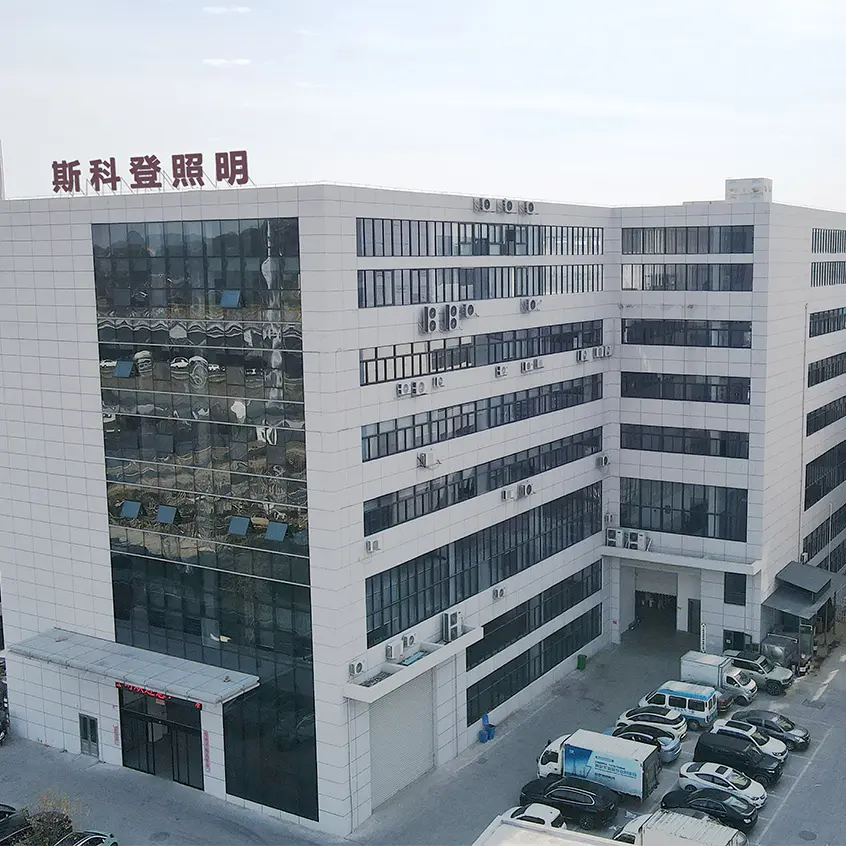
Inside Scoden Lighting: Precision Engineering & Metrology Darkroom
Located on Baixiang Avenue, Beibaixiang Town (within Yueqing Leading CNC System Co., Ltd.), Scoden Lighting operates modern, automated production equipment: computerized profile cutting machines, punching presses, continuous silicone glue dispensing stations, high-speed laser marking systems, withstand-voltage testers, and continuous aging tracks.
Our in-house IES Photometric Test Darkroom generates accurate distribution curves and luminous flux data directly compatible with DIALux and Relux architectural simulations, saving EPC engineering consultants weeks of design verification.
Engineered for Demanding Industrial Environments Worldwide
A single lighting architecture does not fit all environments. Scoden integrated energy-saving lamps are custom-tailored with specialized housing alloys, optical diffusers, and ingress seals matched to real-world industrial stressors.
Petrochemical & Refinery Complexes
Explosive atmospheres with continuous hydrocarbon vapor presence (Zone 1 / Zone 2, Gas Group IIA/IIB/IIC). Fixtures utilize heavy-duty copper-free ADC12 die-cast aluminium enclosures, flameproof joint paths, and high-impact tempered glass to eliminate electrostatic sparks and contain internal detonations.
Cold Storage & Food Processing Facilities
Operating temperatures ranging from -35°C to +45°C with severe condensation and continuous high-pressure washdown chemicals. Polycarbonate full-plastic IP65/IP66 seamless housings prevent food contamination, resist caustic sanitation acids, and maintain instantaneous strike times at deep sub-zero temperatures.
Automated High-Bay Logistics & Warehousing
Ceiling mounting heights between 6 and 14 meters demanding narrow-beam optical distribution, high lumen maintenance (L80B10 > 60,000 hrs), and responsive microwave motion detection. Automatic stepping between working lux levels and standby dimming cuts facility power bills by up to 70%.
Underground Mining & Tunnels
Subject to continuous mechanical vibration, airborne coal dust, water seepage, and voltage drops over prolonged cable runs. Group I M1/M2 explosion-proof and IK10 impact ratings ensure structural survival against heavy machinery impacts and extreme power grid fluctuations (AC85–265V wide range input).
Cleanrooms & Electronics Manufacturing
ISO Class 4 to Class 8 dust-free workshops require smooth, non-particulate shed profiles, completely sealed silicone gaskets, and zero electromagnetic interference (EMI compliant with CISPR 15 / EN 55015) to prevent disruption of delicate robotic pick-and-place lines.
Commercial Parking Garages & Transit Hubs
Continuous vehicle exhaust fumes, fluctuating outdoor temperatures, and 24/7 operating hours demand robust corrosion resistance and intelligent step-dimming. Intelligent sensor integrated battens ensure rapid illumination when vehicles or pedestrians approach, maximizing safety and energy conservation.
IEC 60079 & ATEX Compliance: Zone, Gas Group & Temperature Ratings
Procuring explosion-proof integrated energy-saving lighting requires complete parameter alignment. Failing to match gas groups or exceeding surface auto-ignition limits creates unacceptable plant catastrophe risks. Use this authoritative technical guideline when specifying projects with Scoden engineers.
01. Confirm Zone Classification
Defines the frequency and duration of an explosive atmosphere:
- Zone 0: Continuous explosive gas presence (>1000 hrs/yr)
- Zone 1: Gas likely in normal operation (10–1000 hrs/yr)
- Zone 2: Gas abnormal, brief duration (<10 hrs/yr)
- Zone 20 / 21 / 22: Combustible dust & flyings
02. Match the Gas Group
Ranks airborne gases by their ignition spark energy:
- Group IIA: Propane, methane, industrial solvents
- Group IIB: Ethylene, town gas, cyclopropane
- Group IIC: Hydrogen, acetylene (highest hazard)
- Group I: Underground firedamp mining applications
03. Environmental Sealing & Impact
Real-world industrial installations confront water, dirt, and blows:
- IP65: Dust-tight, protected against low-pressure water jets
- IP66: Complete protection against heavy seas and powerful jets
- IK08 / IK10: 5 to 20 Joules direct mechanical impact
- Emergency Pack: LiFePO4 batteries with autonomous transfer
| Temperature Class (T-Class) | T1 | T2 | T3 | T4 | T5 | T6 (Safest) |
|---|---|---|---|---|---|---|
| Maximum Fixture Surface Temperature | 450 °C | 300 °C | 200 °C | 135 °C | 100 °C | 85 °C |
| Permissible Gas Auto-Ignition Temp. | > 450 °C | > 300 °C | > 200 °C | > 135 °C | > 100 °C | > 85 °C |
| Representative Industrial Gases | Methane, Hydrogen | Ethanol, Butane | Gasoline, Diesel fuel | Acetaldehyde | Carbon Disulfide | Ethyl Nitrite |
Technological Frontiers Reshaping Integrated Industrial Lighting
The convergence of power electronics, connected microchips, and thermal polymer science is creating a new class of intelligent, sustainable, and highly adaptable luminaires.
Field-Selectable Wattage & CCT
Inventory management has historically burdened international distributors with hundreds of distinct SKU variations. Next-generation integrated lamps incorporate internal micro-DIP switches allowing contractors to toggle between 3000K, 4000K, and 6500K color temperatures and multiple power levels (e.g., 20W/30W/40W/50W) on a single luminaire chassis. This reduces distributor warehouse holding costs by up to 65% while providing complete on-site lighting flexibility.
Driver-on-Board (DOB) & Solid-State Drivers
Traditional electrolytic capacitors inside discrete switch-mode drivers represent the single earliest point of thermal degradation in industrial fixtures. Modern integrated lamps leverage driver-on-board (DOB) linear topologies and solid-state silicon carbide (SiC) switches directly on copper clad laminates. By omitting liquid electrolytic components, mean time between failures (MTBF) extends beyond 100,000 operational hours even in elevated ambient temperatures of +55°C.
Circular Economy & Modular SKD Supply
Global carbon tariffs and localized manufacturing incentives in regions like South America, the Middle East, and Southeast Asia are driving demand for Semi-Knocked-Down (SKD) kits. By shipping unpopulated extruded aluminium housings, bare optic diffusers, and pre-tested electronics kits, importers achieve lower shipping volumetric freight, avoid high finished-luminaire import tariffs, and generate local assembly value.
Enterprise Sourcing Checklist: Vetting Wholesale Industrial Suppliers
Purchasing mission-critical luminaires requires stringent factory qualification. Avoid catastrophic quality failures and site delays by enforcing this verification framework prior to issuing purchase orders.
1. Photometric Files
Never rely on catalog claims alone. Insist on authentic .IES or .LDT photometric files generated from goniophotometer darkrooms to simulate lux levels in DIALux before site installation.
2. Hi-Pot Isolation
Verify that 100% of production passes withstand-voltage (Hi-Pot) dielectric testing (typically 1500V–3750V AC) to prevent high-voltage surge punctures and worker shock hazards.
3. Burn-In Duration
Confirm that fixtures undergo a minimum of 4 to 12 hours continuous burn-in aging under elevated operating voltage to induce early mortality failures inside the factory rather than on your site.
4. Certified Explosion Drawings
For Zone 1/21 explosion-proof models, request certified mechanical drawings detailing flame path width, flame gap tolerances, and silicone gasket compound specs.
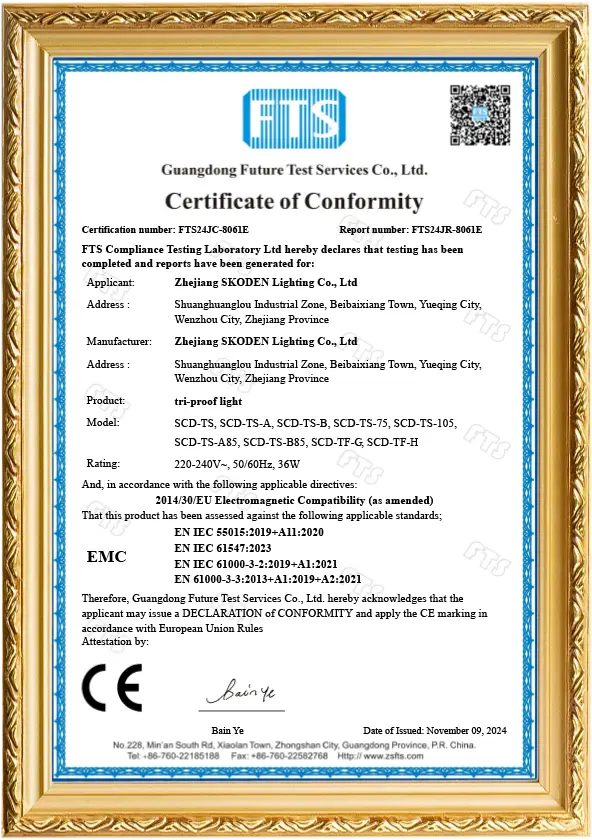
Certificates & Quality Credentials
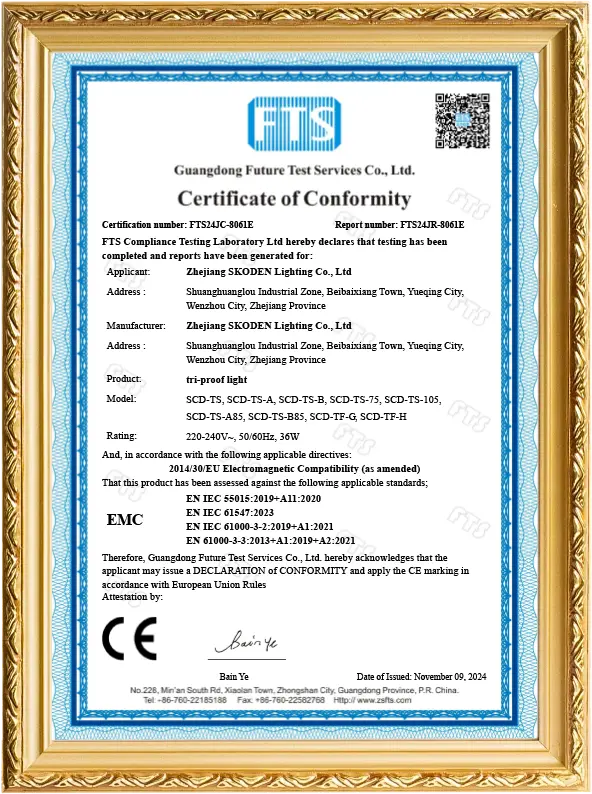
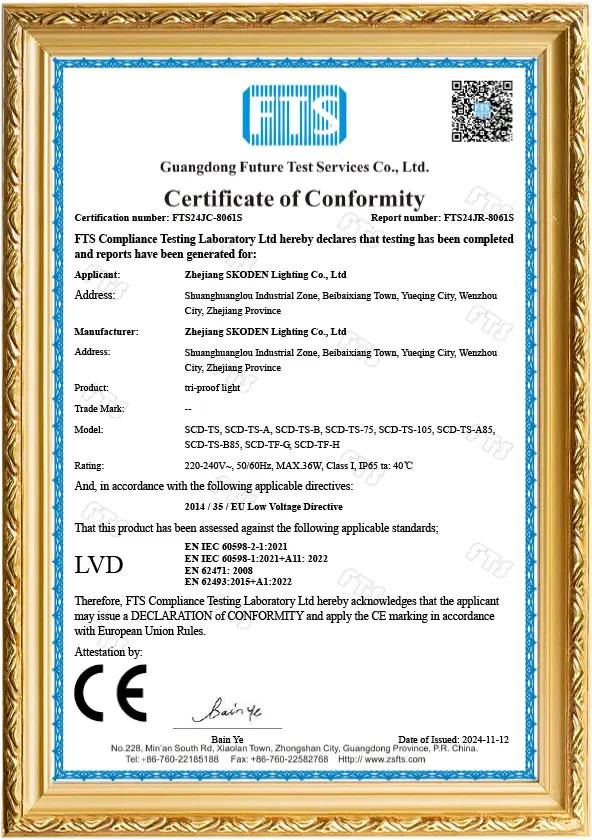
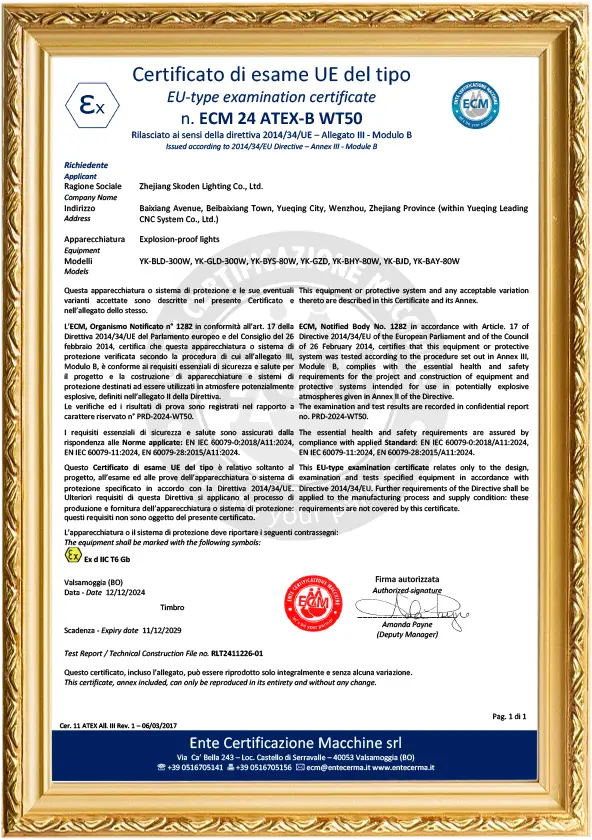
Compliance you can verify. Every project documentation pack contains model-specific certificate copies, factory test logs, and ISO 9001 registration records.
Long-Term Partners Across the Lighting Supply Chain
Reliable components build dependable luminaires. We collaborate closely with world-class chipmakers, certified driver foundries, and regional distributor networks.





Industry Insights & Luminaire Whitepapers
In-depth technical guides authored by our chief optoelectronic engineers, addressing retrofits, industrial safety standards, and smart lighting topologies.
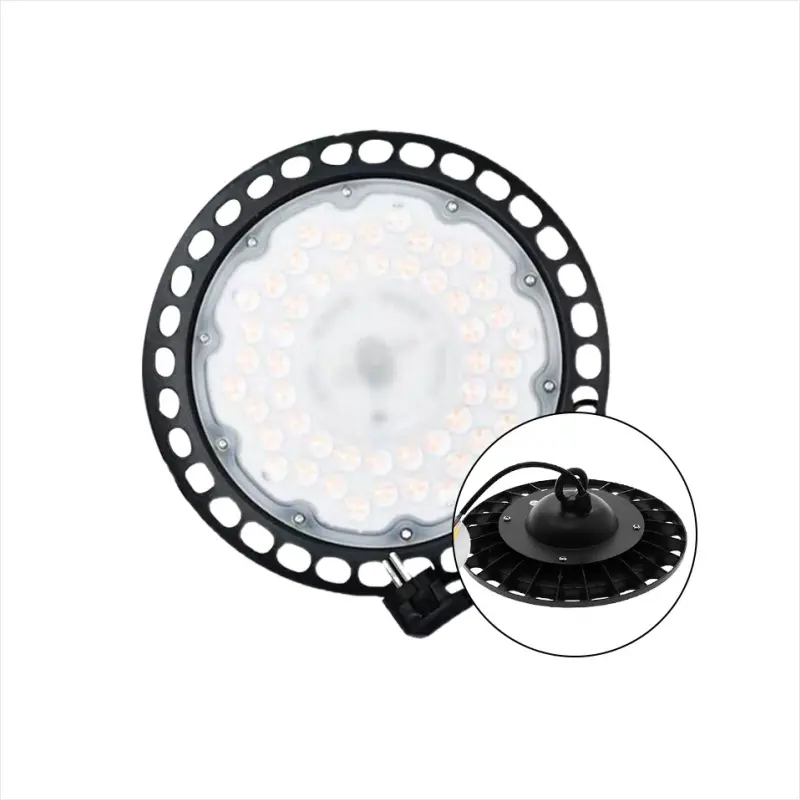
The Introduction of Explosion-Proof Light: SCD-U1500 UFO High Bay
A comprehensive teardown of the SCD-U1500 UFO-style explosion-proof LED fixture. We analyze its annular heat-sink aerodynamic design, dual-cavity driver isolation, high-transmission tempered glass optics, and direct replacement pathways for legacy 400W HID fittings in Class I Division 2 and ATEX Zone 1 petrochemical applications.
Read Full Analysis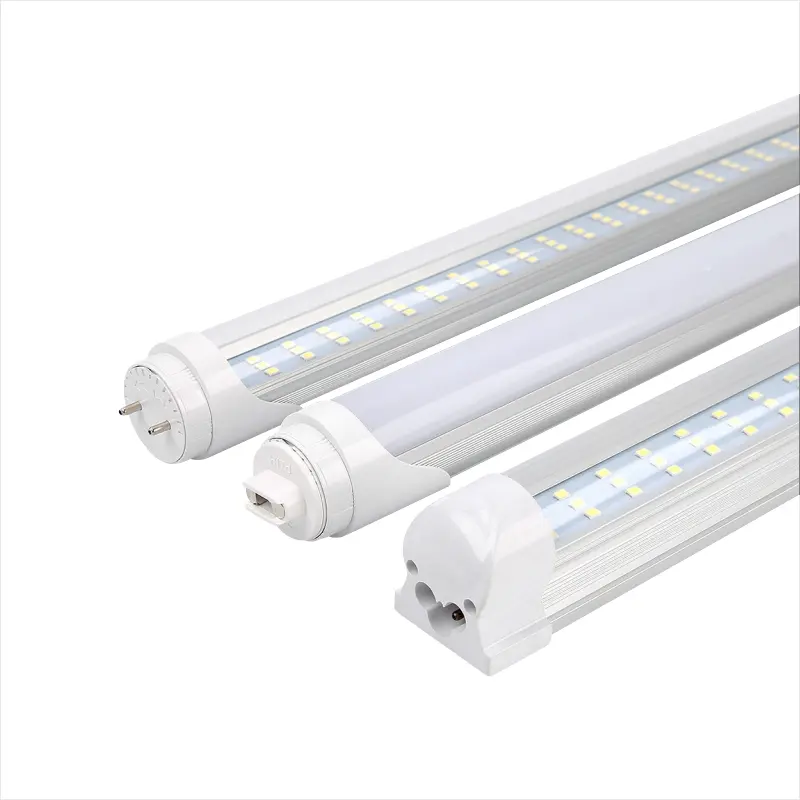
What Is a Bracket Light? A Clear Architectural Definition for Procurement Specialists
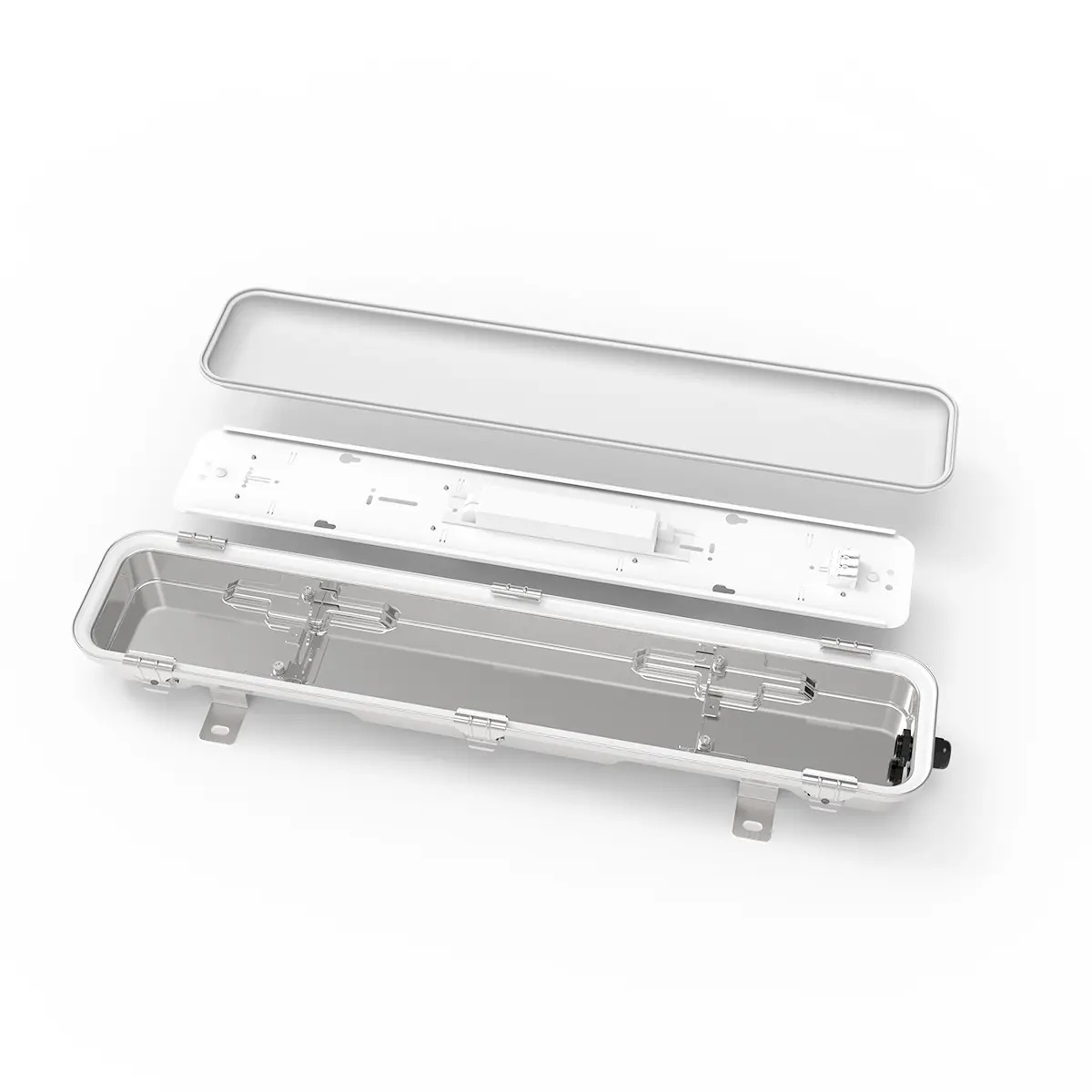
AI-Powered, Health-Centric Lighting Innovations Transform the Modern Factory
Global Service: Complete Customs Documentation Packs, L/C Terms, & Warranty Logistics
Top Search Keywords: Industrial Floodlights, Microwave Sensor Battens, & Zone 1 High Bays
Wholesale Integrated Energy-Saving Lamp Selection (Bottom Order Terminal)
Select your required model configuration below to request factory-direct FOB/CIF container pricing, custom CCT tuning, and private-label packaging.
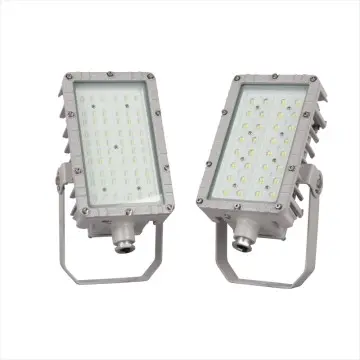
Multi-Module Explosion-Resistant Flood Lamp 300W / 400W
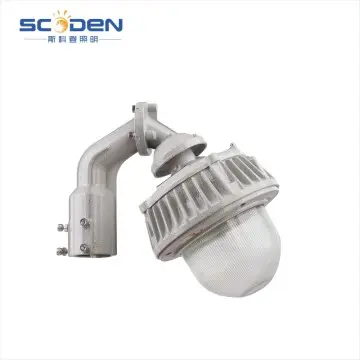
360° Anti-Glare Small Explosion-Proof Industrial Light
75–300W Compact Explosion-Proof Industrial Floodlight
100W + 30W Emergency Backup Explosion-Proof LED Lamp
High Lumen 120 lm/W Round Mining Explosion Ceiling Light
30–50W Rectangular Explosion-Proof LED Flood Light
20–50W Round Mini Explosion-Proof Ceiling Light
Long Strip LED Explosion-Proof Fluorescent Light 20–60W
Frequently Asked Questions by Industrial Importers & EPC Buyers
Direct engineering responses to the technical, logistical, and compliance questions overseas procurement managers evaluate before committing to production runs.
What is the core engineering difference between an LED tri-proof light and an LED explosion-proof light?
Does Scoden offer OEM, ODM, and SKD (Semi-Knocked-Down) supply programs?
What technical documentation and metrology files are provided with project orders?
Can your integrated energy-saving fixtures incorporate emergency backup, intelligent sensors, or multi-mode dimming?
Where is the Scoden Lighting factory located, and can our engineering team perform on-site or video audits?
How does an integrated energy-saving lamp solve heat dissipation in high-temperature environments?
Plan Your Next Industrial Lighting Project With Scoden
Engage directly with our senior optoelectronic and explosion-proof luminaire engineers. Request comprehensive product catalogs, custom photometric simulations (.IES files), and customized FOB/CIF volume quotations.
-
Telephone Inquiries: +86 189 6886 9621 / +86 577 2888 7800
-
Official Sales Email: [email protected]
-
WhatsApp Business Instant Chat: +86 195 5779 1612 / +86 139 6874 1169
-
Factory Campus Address: Baixiang Avenue, Beibaixiang Town, Yueqing City, Wenzhou, Zhejiang Province, China (within Yueqing Leading CNC System Co., Ltd.)