
High-Performance Systems
Top-Tier Industrial Emergency & Explosion-Proof Lighting
Engineered for mission-critical industrial facilities, continuous battery backup, and high-ambient operational safety.
Ex Zone 1/2
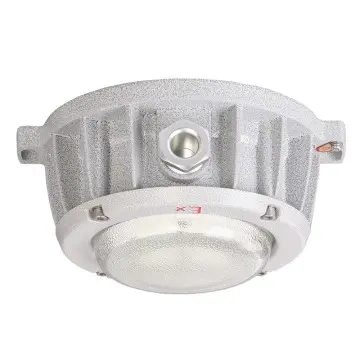
20–50W Round Mini Explosion-Proof Ceiling Light
View Details
Ex Proof
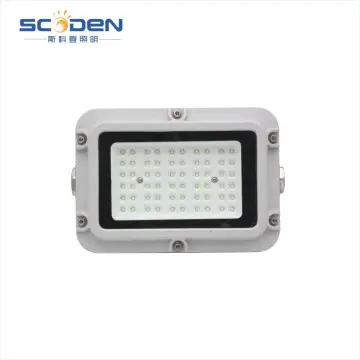
30–50W Rectangular Explosion-Proof LED Flood Light
View Details
Emergency Opt
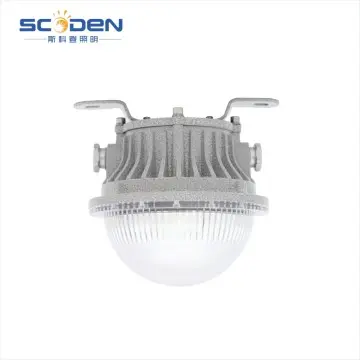
10–24W AC85–265V 120 lm/W Explosion Light
View Details
High Lumen
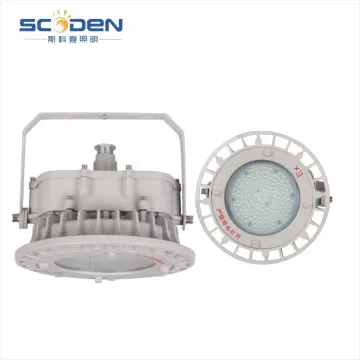
High Lumen 120 lm/W Round Mining Explosion Ceiling Light
View Details
100W + 30W
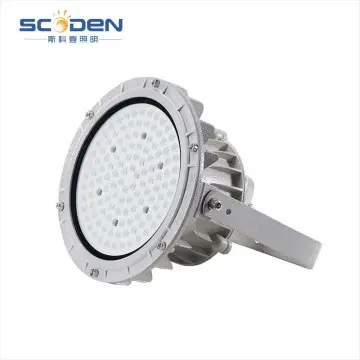
100W + 30W Emergency Backup Explosion-Proof LED Lamp
View Details
75–300W
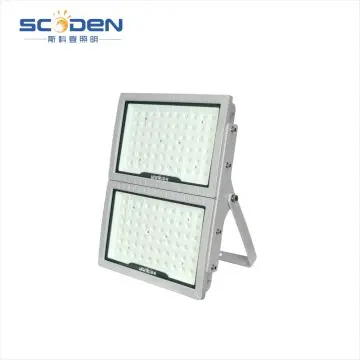
75–300W Compact Explosion-Proof Industrial Floodlight
View Details
Linear Ex
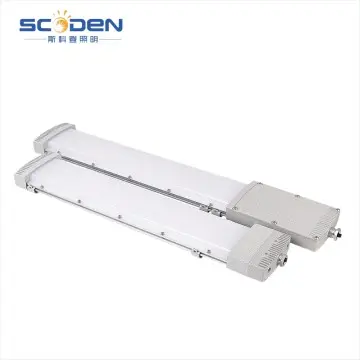
Long Strip LED Explosion-Proof Fluorescent Light 20–60W
View Details
Macro Market Landscape
The Global Status of 10W/15W/20W Industrial Emergency Lighting
A rigorous examination of energy efficiency mandates, regulatory life safety codes, and manufacturing shifts toward intelligent low-wattage auxiliary power fixtures.
Stringent Life Safety Regulations
Global fire safety and workplace compliance directives—including NFPA 101 (Life Safety Code) in North America and EN 1838 / EN 50172 across the EU—strictly dictate that emergency illumination must sustain at least 1.0 foot-candle (10.8 lux) along the egress pathway for a certified minimum of 90 minutes. 10W, 15W, and 20W LED architectures have become the universal engineering sweet spot, achieving the requisite photometrics without placing excessive thermal loads on internal electrochemical storage cells.
Electrochemical Transition: LiFePO4 vs. Ni-Cd
The phase-out of toxic Nickel-Cadmium (Ni-Cd) chemistries under global RoHS directives has expedited wholesale adoption of Lithium Iron Phosphate (LiFePO4) in 10W to 20W systems. LiFePO4 cells support over 2,000 deep-discharge cycles, exhibit intrinsic thermal stability in environments up to 60°C, and slash parasitic trickle-charging consumption by up to 78%, making them ideal for high-uptime industrial installations.
Hazardous & Hostile Facility Retrofits
Legacy industrial infrastructure often relied on centralized battery banks or oversized high-pressure discharge auxiliary units. Modern EPC contractors are replacing these capital-intensive systems with decentralized, self-contained 10W/15W/20W sealed emergency power luminaires rated at IP65/IP66 and Class I Division 2 / Zone 1-2. This modular approach eliminates single points of failure across petrochemical depots, offshore platforms, and discrete manufacturing plants.
Manufacturing Authority & Precision
Factory Capabilities That Eliminate Sourcing Risks
Operating from Beibaixiang Town, Yueqing, Zhejiang—China’s Electrical Capital—Zhejiang Skodan Lighting Co., Ltd. integrates in-house R&D, rapid die-casting, and comprehensive photometrics.
12+
Years Luminaire Exp.
2,000
Plant Area (m²)
30+
Certified Engineers
100%
Hi-Pot / Aging Tested
1 Class
IES Darkroom Testing
ISO9001
Certified QMS
High-Efficiency Production
- Fast sample proofing & prototyping
- Wattage tuning (10W, 15W, 20W steps)
- Automated glue dispensing & laser etching
Lean line layout ensures rapid order turnaround for wholesale volume contracts and urgent EPC retrofits.
OEM / SKD / ODM Service
- Proprietary die-cast mold engineering
- SKD kit supply for local assembly
- Tariff optimization support
Flexible manufacturing arrangements tailored to global importers needing regional market compliance.
Quality Assurance Rigor
- Tier-1 brand driver and LED chips
- 100% withstand-voltage insulation test
- Continuous burn-in thermal chamber
Guaranteed reliability where equipment malfunction directly impacts occupational human safety.
Engineering & Export Focus
- In-house IES darkroom photometric files
- Custom Dialux illumination modeling
- Dedicated multi-lingual technical sales
Full lifecycle engineering guidance from schematic phase through port customs documentation.
The Next Horizon
Technology Roadmap: The Evolution of Industrial Emergency Luminaires
How edge intelligence, optical miniaturization, and microgrid integration are transforming 10W–20W emergency hardware.
Self-Testing & DALI-2 Emergency Systems
Manual testing of emergency light batteries is labor-intensive and error-prone. The industry roadmap points decisively toward automated self-testing (AST) and IEC 62386-202 (DALI Emergency) integration. Scoden's smart driver units run automated monthly functional tests and annual duration discharge checks, reporting battery health and LED forward-voltage decay directly to building management systems (BMS).
Dynamic Optical Distribution for Egress
Traditional round luminaires generate spherical beam angles that spill unnecessary light onto walls, wasting battery power. Modern 10/15/20W units leverage asymmetric oval optics (e.g., 30° × 110° or "corridor beam" optics). By channeling light along the evacuation path, a 10W luminaire can illuminate an egress corridor 25 meters long at over 1 lux, outperforming an uncollimated 40W legacy lamp.
Hybrid Smart Sensor & Auxiliary Dimming
Emergency fixtures must serve dual-mode functions to justify project payback. Through microwave doppler motion sensing and 0–10V / PWM daylight harvesting, 15W–20W fixtures can run at 10% standby lumen output during unoccupied periods, step up to 100% upon human detection, and switch instantly to battery inversion if grid power fails.
Application Engineering
Localized Deployment Scenarios: Matching 10W/15W/20W Profiles
Selecting appropriate wattages, battery capacities, and housing materials based on environmental stresses and regulatory mandates.
| Wattage & Application | Typical Installation Height | Recommended Enclosure & IP | Emergency Duration | Photometric Outcome |
|---|---|---|---|---|
| 10W Emergency Light Stairwells, Escape Corridors, Server Rooms |
2.2m – 3.0m | Polycarbonate (PC) Tri-Proof, IP65 / IK08 | 120–180 Minutes (LiFePO4) | 1200 lm output, achieves >1.5 lux along 18m corridor path |
| 15W Emergency Light Underground Parking, Cold Storage (-20°C) |
3.0m – 4.5m | Corrosion-resistant PC/ABS with internal heating wrap, IP66 | 90–120 Minutes | 1800 lm output, provides broad circular distribution for unobstructed vehicle egress |
| 20W Emergency Light Chemical Warehouses, Offshore Platforms, Mining |
4.5m – 6.5m | Die-cast Copper-free Aluminium, Ex d IIC T6, IP66 / IK10 | 90 Minutes (High Discharge) | 2400 lm output, cuts through ambient particulate and fog |
01. Confirm Hazardous Zone
Zone 0: Continuous gas presence (>1000 hrs/yr).
Zone 1: Normal operational hazard (10–1000 hrs/yr).
Zone 2: Abnormal/rare containment failure (<10 hrs/yr).
Dust: Zones 20, 21, and 22 combustible particulate verification.
02. Match Gas & Dust Group
Group IIA (Propane, Methane), Group IIB (Ethylene), Group IIC (Hydrogen, Acetylene). Equipment rated for IIC offers full backward protection for IIB and IIA environments. Group I applies to underground gassy coal mines.
03. Temperature Class Rating
Ensure the fixture's maximum surface thermal profile remains strictly below the auto-ignition threshold of the ambient chemical gases: T1 (450°C), T2 (300°C), T3 (200°C), T4 (135°C), T5 (100°C), up to ultra-safe T6 (85°C).
Enterprise Systems
Macro Industry Solutions: Engineering Turnkey Reliability
How Scoden supports multinational EPC contractors, port operators, and energy conglomerates worldwide.
Petrochemical & Offshore Terminals
Offshore salt spray, hydrogen sulfide emissions, and high humidity corrode standard emergency light housings within months. Our 20W marine-grade emergency flood and ceiling fixtures utilize copper-free aluminum (<0.05% Cu) with electrostatically applied fluorocarbon powder coatings, enduring over 1,000 hours of continuous salt-spray testing per ASTM B117 standards.
Automated Warehousing & Logistics
Massive fulfillment centers require high-bay egress illumination capable of activating in less than 0.25 seconds upon AC mains failure. Scoden delivers 15W–20W linear batten emergency fixtures that integrate seamlessly with high-racking aisles, operating via centralized or decentralized battery backup kits that withstand broad ambient temperature shifts.
Food & Pharmaceutical Cleanrooms
Washdown processes involving high-pressure, 80°C steam and caustic sanitizers compromise ordinary gaskets. Our IP66/IP69K full-plastic and stainless-bracket 10W–15W emergency tri-proof luminaires use smooth, crevice-free outer geometries and food-grade silicone seals to prevent bacterial harborage and condensation ingress.
Verification & Transparency
Factory Tour & Quality Assurance Documentation
Review our manufacturing processes, including CNC-machined cavities, multi-cavity gasketing, and photometric darkrooms.
Testing Facilities
Every batch of 10/15/20W emergency power lights undergoes rigorous verification before export clearance:
- Type-C Goniophotometer darkroom tests
- 3,750V AC Hi-Pot insulation breakdown tests
- 100% burn-in aging under elevated thermal loads
- IPX5 / IPX6 high-pressure hydraulic tests
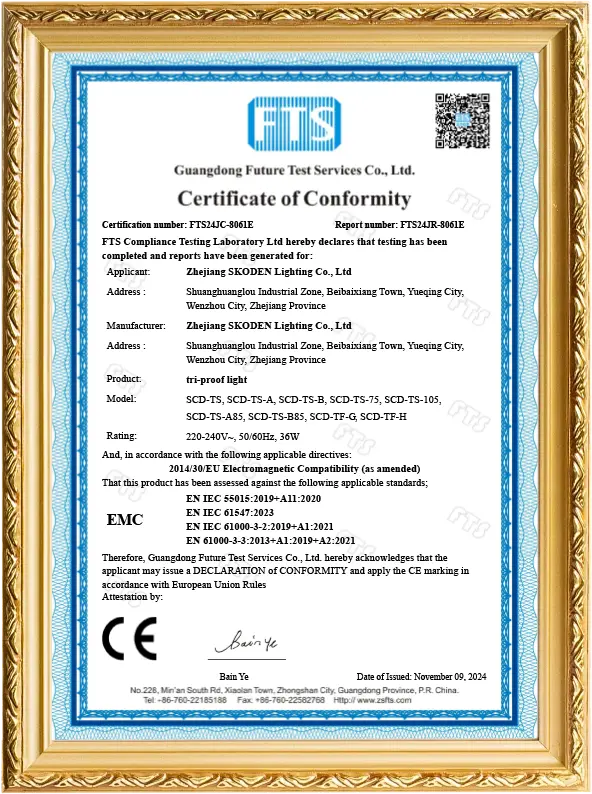
ISO 9001 Management
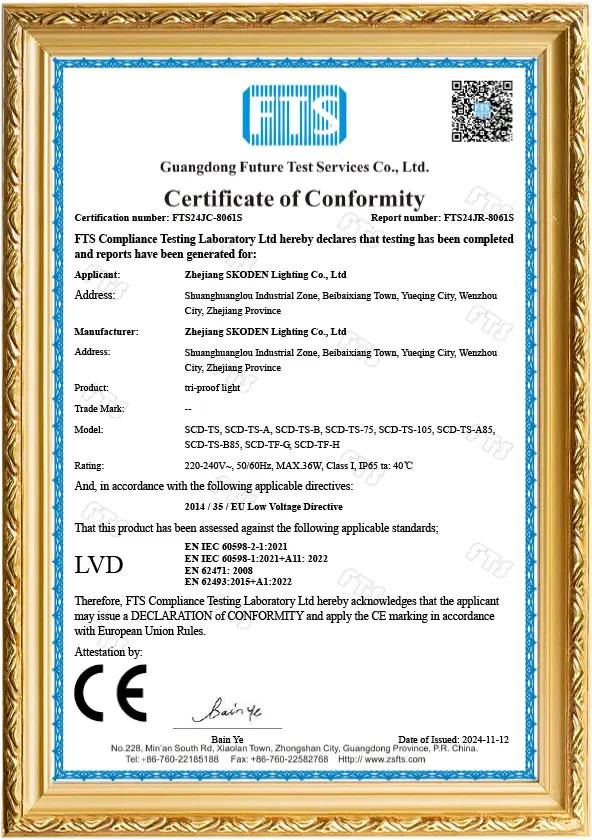
Explosion-Proof Test Report
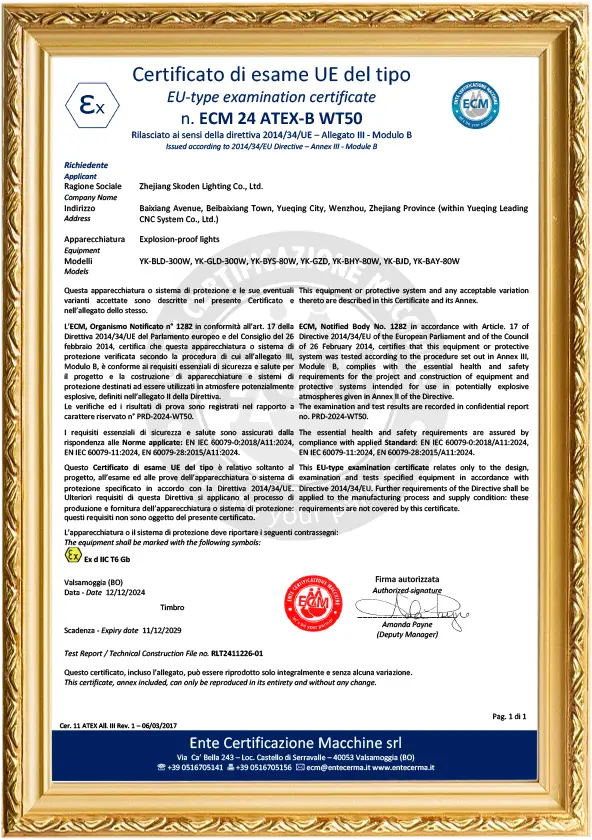
Photometric Compliance
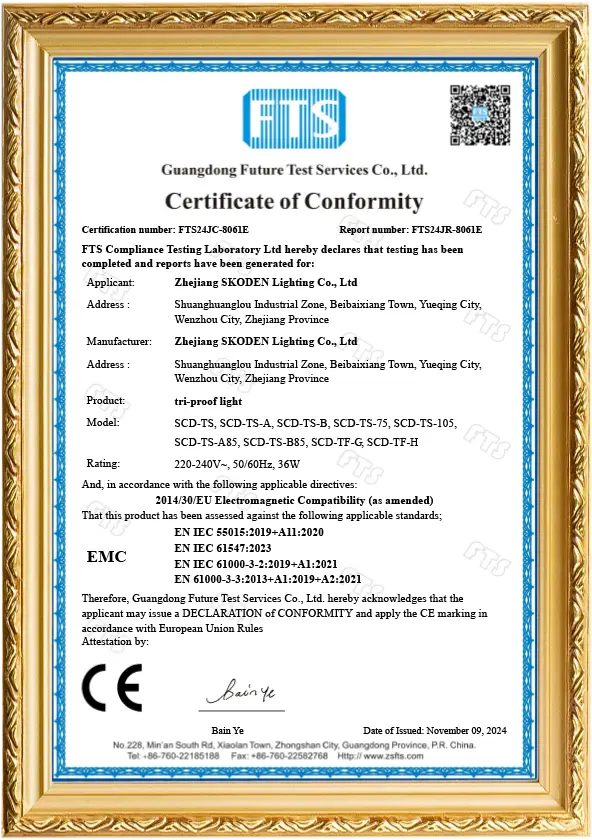
IP66 Ingress Protection
Technical Inquiry Hub
Frequently Asked Questions: Wholesale Emergency Lights
Direct technical and commercial answers for project engineers, procurement managers, and wholesale importers.
How do 10W, 15W, and 20W ratings function during an outage?
Our fixtures can be configured in either maintained or non-maintained modes. In maintained mode, the fixture operates at full capacity (or a primary wattage like 40W–60W) during regular grid power, and shifts to 10W, 15W, or 20W in emergency battery mode to preserve energy while maintaining mandatory egress lux levels for up to 180 minutes.
What battery chemistries are used, and what is their operational lifespan?
We utilize automotive-grade Lithium Iron Phosphate (LiFePO4) battery packs managed by custom Battery Management Systems (BMS) with over-charge, deep-discharge, and thermal runaway cut-offs. LiFePO4 delivers an operational service life of 5–8 years, far exceeding legacy Ni-Cd packs.
Can Scoden supply complete SKD (Semi-Knocked Down) kits for local assembly?
Yes. We regularly supply international brands and manufacturers with SKD/CKD programs, including die-cast aluminum enclosures, populated SMT PCB boards, emergency drivers, and battery packs. This reduces import duties and meets domestic manufacturing regulations in destination markets.
How do I get IES files for Dialux egress lighting calculations?
Complete IES files measured in our in-house Type-C darkroom are available for all standard and emergency operating modes. Contact our engineering desk to receive photometric files and Dialux project files.
What is the difference between LED tri-proof and LED explosion-proof lights?
Tri-proof luminaires provide sealed protection against water, dust, and physical corrosion (typically IP65–IP66/IK08). Explosion-proof luminaires feature heavy-duty flameproof or increased-safety enclosures engineered to withstand and contain internal gas or dust ignitions, certified for specific Hazardous Zones (0, 1, 2) and Gas Groups (IIA, IIB, IIC).
Where is your factory located, and can third-party audits be arranged?
Our factory is located in Baixiang Avenue, Beibaixiang Town, Yueqing, Wenzhou, Zhejiang Province, China. We support third-party factory audits by agencies such as SGS, TÜV, and Intertek, as well as live video facility walk-throughs.
Full Catalog Selections
Featured Industrial Lighting Series
Explore our heavy-duty linear battens, UFO high bays, and multi-module flood fixtures available for volume wholesale distribution.
360° Output
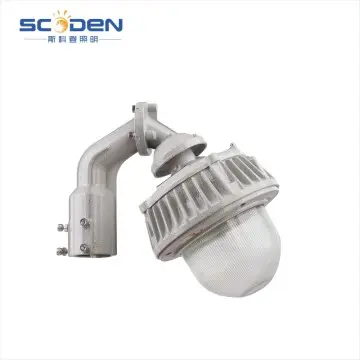
360° Anti-Glare Small Explosion-Proof Industrial Light
View Details
300W / 400W
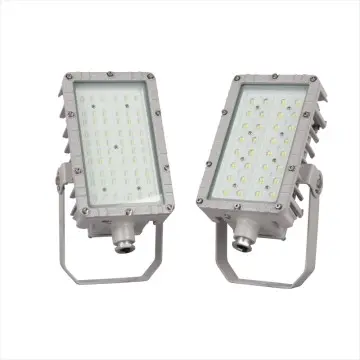
Multi-Module Explosion-Resistant Flood Lamp 300W / 400W
View Details
UFO High Bay
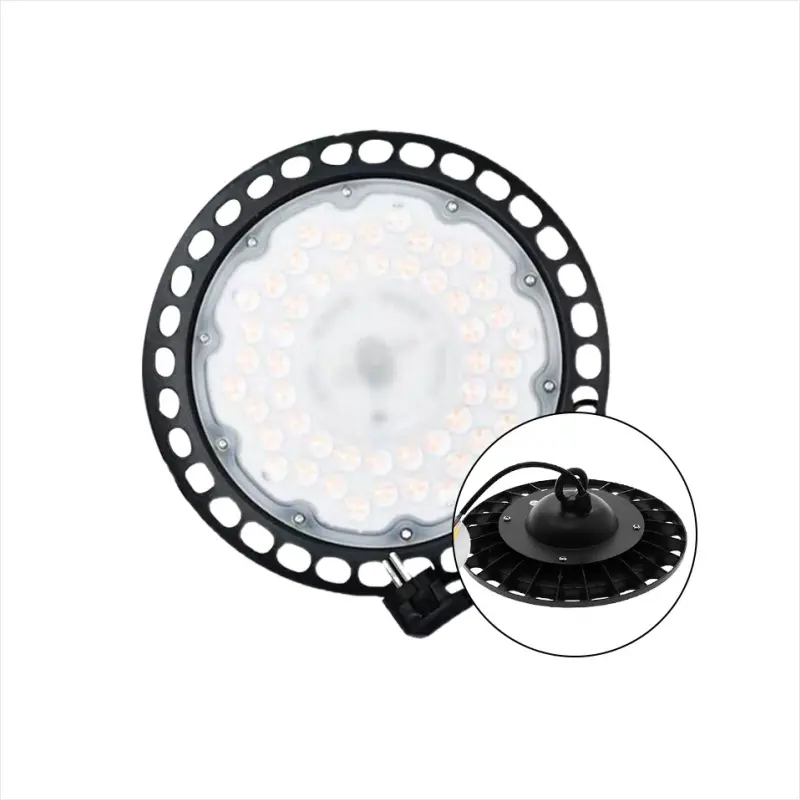
SCD-U1500 UFO Explosion-Proof LED High Bay
View Details
Linear Batten
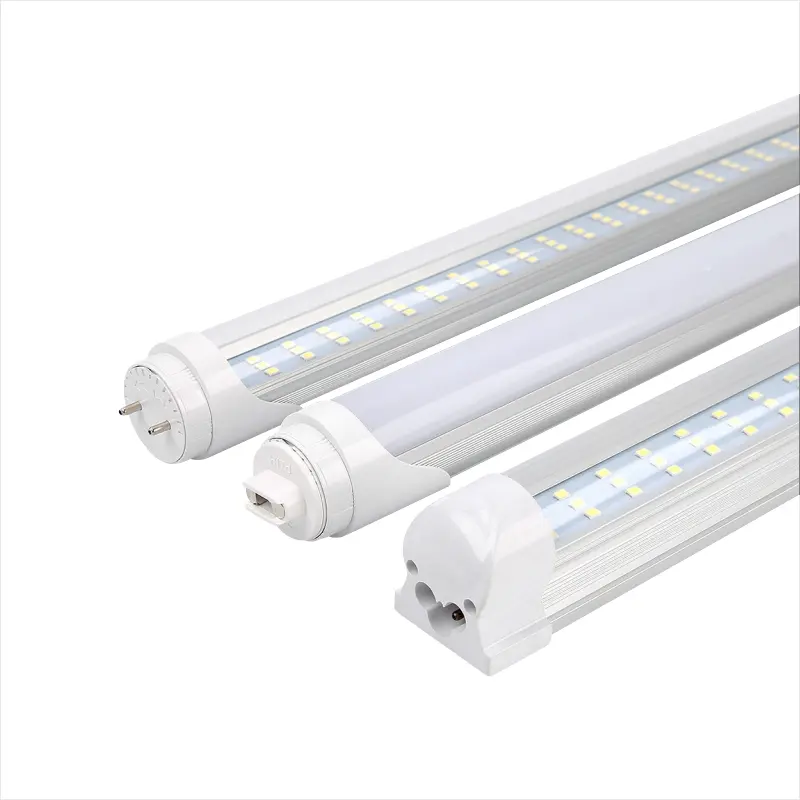
SCD-LT8 Integrated LED Stent Bracket Light
View Details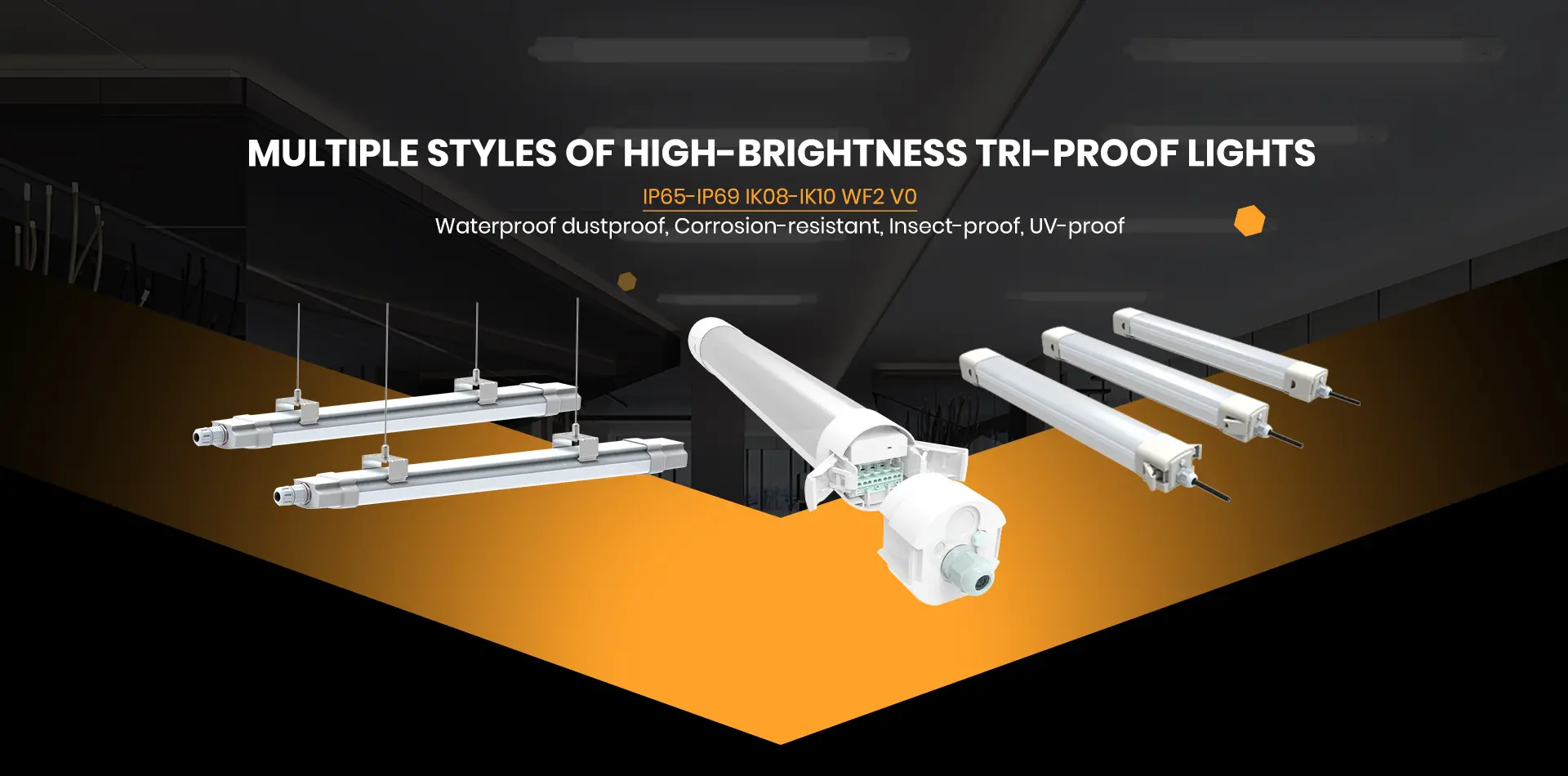
Full-Plastic Waterproof IP65 IK08 LED Tri-Proof Light
View Details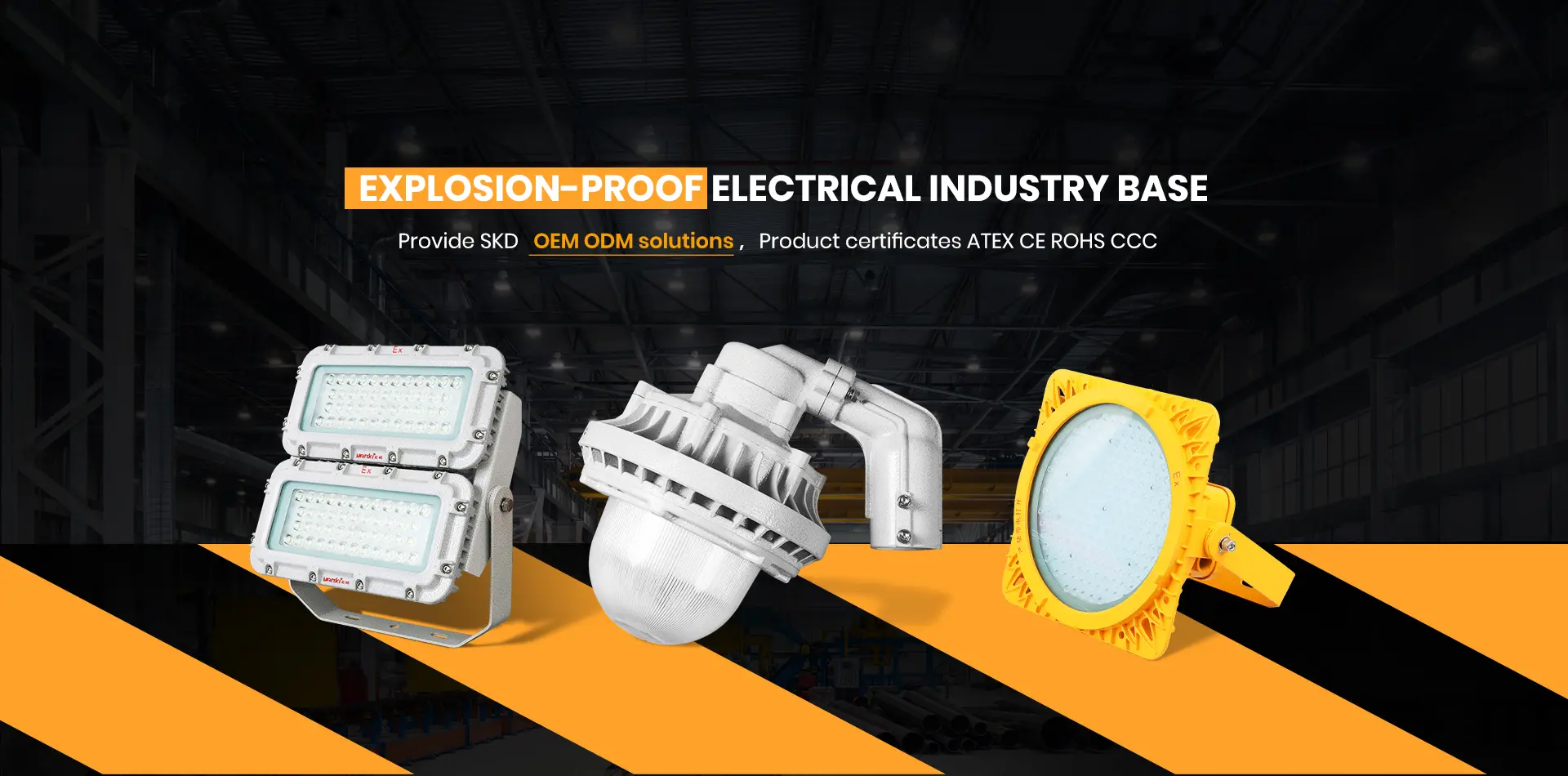
Harsh-Environment Waterproof LED Industrial Luminaire
View Details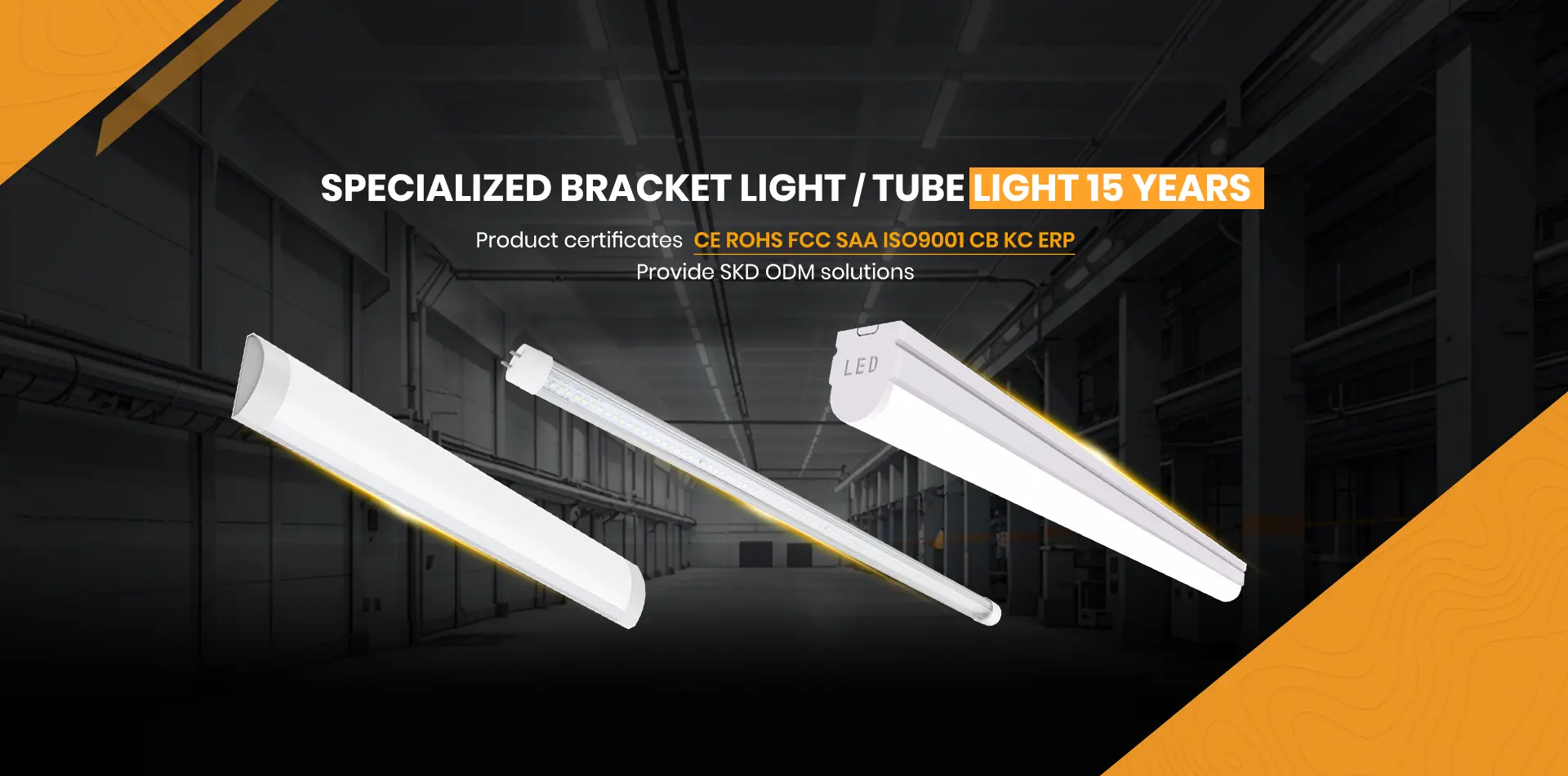
Impact-Resistant High-Efficiency LED Batten Light
View Details
Ex Flanged

50W Flanged Elbow Emergency Explosion-Proof Light
View Details
Direct Manufacturer Collaboration
Request Comprehensive Datasheets, IES Files & Wholesale Pricing
Partner directly with our engineering team in Yueqing. From custom emergency wattage calibration and PCB driver modifications to local assembly SKD kits and project-specific Dialux lighting layouts, we deliver reliable solutions for mission-critical installations.