Heavy-Duty Aluminum & Tempered Glass Lighting Series
Factory-direct precision luminaires built with in-house IES darkroom testing, anti-corrosive anodic oxidation, and hermetic fluorosilicone sealing rings.
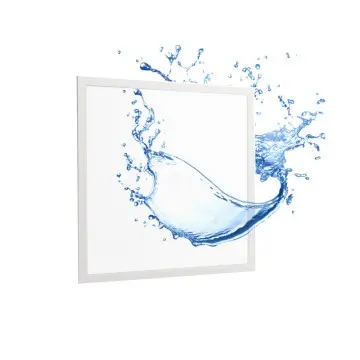
300/600/1200mm 18–60W LED Ceiling Panel Light
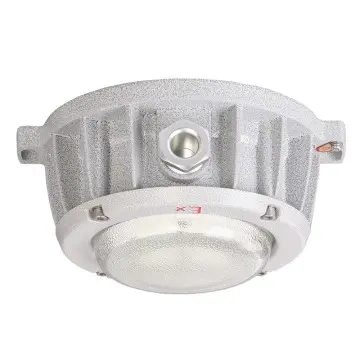
20–50W Round Mini Explosion-Proof Ceiling Light
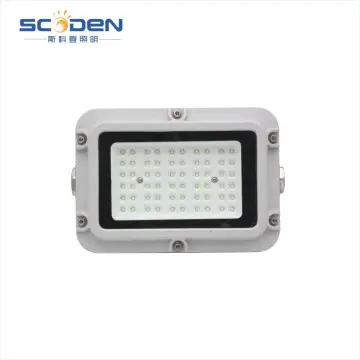
30–50W Rectangular Explosion-Proof LED Flood Light
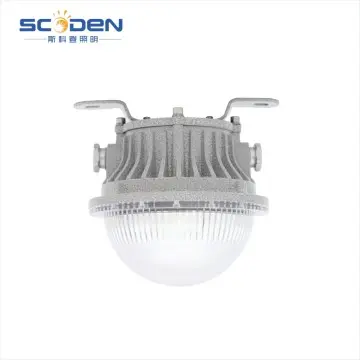
10–24W AC85–265V 120 lm/W Explosion Light
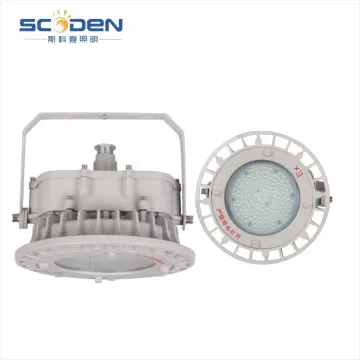
High Lumen 120 lm/W Round Mining Explosion Light
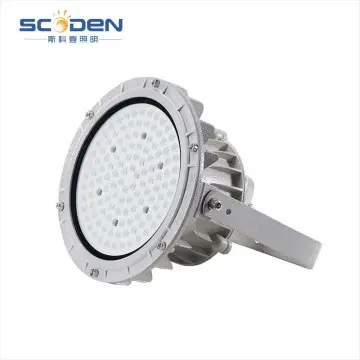
100W + 30W Emergency Backup Explosion Proof LED Lamp
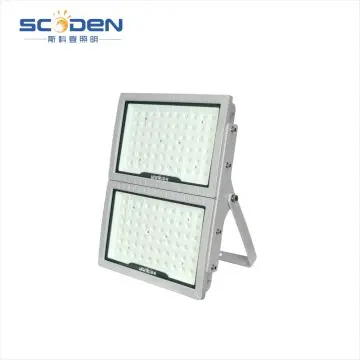
75–300W Compact Industrial Floodlight
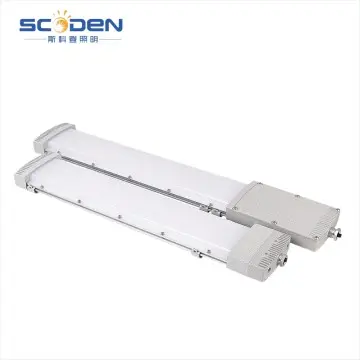
Long Strip LED Explosion-Proof Fluorescent Light 20–60W
Why Aluminum Alloy + Borosilicate Tempered Glass Outperforms Polycarbonate
Standard all-polycarbonate (PC/PMMA) tri-proof fittings systematically fail within 12–24 months in chemically volatile, high-temperature, or ozone-dense atmospheres. The thermodynamic and chemical architecture of aluminum-glass luminaires solves degradation at the root.
Thermodynamic Dissipation (λ ≈ 205 W/m·K)
Extruded 6063-T6 architectural-grade aluminum boasts a thermal conductivity coefficient exceeding 200 W/m·K, compared to PC's meager 0.19–0.22 W/m·K. Heat generated by high-power SMD2835/5050 LED dies is transferred directly to the atmosphere within milliseconds. This keeps junction temperatures (Tj) consistently below 65°C under +45°C ambient conditions, guaranteeing L80B10 operational lifespans exceeding 70,000 continuous hours.
Universal Hydrocarbon & Solvent Inertness
Polycarbonate suffers catastrophic environmental stress cracking (ESC) when exposed to aromatic hydrocarbons, ester oils, amines, ammonia, and aggressive cleaning solvents used in heavy industry. Our 4.0mm high-transmission borosilicate tempered glass features pure vitreous silica bonds, delivering zero chemical absorption, impenetrable barrier resistance, and lifetime protection against hazing, yellowing, or embrittlement.
IK10 Mechanical Impact & Static Load Defense
Thermally tempered according to EN 12150-1, the glass faceplate survives 20-Joule blunt physical strikes (IK10 certified), resisting high-pressure spray impingement (IP69K at 100 bar, 80°C washdown), abrasive particulate blasts, and aggressive thermal cycling from -30°C to +55°C without fracturing, micro-fissuring, or optical transmittance loss.
| Evaluation Parameter | Scoden Aluminum + Borosilicate Glass Luminaire | Standard Full-Plastic (PC/ABS) Fitting | Standard GRP (Glass Reinforced Polyester) |
|---|---|---|---|
| Thermal Conductivity (Housing) | 205 W/m·K (Rapid planar heat conduction) | 0.21 W/m·K (Thermal blanket, traps heat inside) | 0.35 W/m·K (Poor dissipation, high driver stress) |
| Chemical / Solvent Resilience | Inert to aromatics, diesel, esters, ammonia, ozone | Subject to crazing, clouding, chemical embrittlement | Resistant to acids, susceptible to mechanical chipping |
| Optical Degradation (5 Years) | < 0.8% (Zero yellowing index drift) | 12% - 28% lumen drop from UV & thermal oxidation | Diffuser yellowing and micro-scratch accumulation |
| Mechanical Shock Rating | IK10 (20 Joules) drop-ball validated | IK08 initial; degrades to IK05 after UV aging | IK08 - IK09; brittle edge cracking on mounting points |
| Washdown & Ingress Sealing | IP66 / IP67 / IP69K dual-lip silicone seals | IP65 (Gaskets degrade due to plastic creep) | IP66 (Requires frequent clip and latch replacement) |
Engineering Deployment Across Strategic Global Infrastructure
From petrochemical complexes in the Arabian Gulf to deep subsurface lithium extraction in Australia and automated automotive paint shops in Central Europe, harsh operational environments demand certified hardware reliability.
Downstream Petrochemical & Refining
Fumes containing xylene, toluene, and sulfurous gases corrode conventional plastics. Our aluminum glass fixtures utilize copper-free aluminum (<0.05% Cu content) with polyester electrostatic powder coating, providing C5-M extreme marine and chemical corrosion resistance.
Deep Cold Storage & Blast Freezing (-40°C)
Sub-zero temperatures turn plastics brittle, causing sudden mounting clamp rupture. Scoden's aluminum alloy retains structural tensile ductility, while low-temp Mean Well/Sosen drivers guarantee instant cold start-up at -40°C without delayed striking or flickering.
Commercial Food, Dairy & Beverage CIP
Daily clean-in-place (CIP) regimens use caustic soda (NaOH) and nitric acid steam sprays. Polycarbonate clouds instantly; our non-porous borosilicate glass withstands caustic washdowns and prevents microbial colonization, complying with HACCP/FDA hygiene directives.
Heavy Mining & Ore Concentrators
Continuous rock vibration, heavy dust slurry accumulation, and washdown jets cause ingress failures. Our IP66/IP67 mechanical cable gland sealing and multi-cavity driver isolation chamber prevent abrasive particulate migration and electrical tracking faults.
Direct Sourcing From China's Electrical Capital (Yueqing)
Zhejiang Skodan Lighting Co., Ltd. operates state-of-the-art testing darkrooms, CNC machining equipment, and multi-stage quality control stations, eliminating middlemen and certifying compliance per ISO 9001.
Precision In-House Manufacturing Machinery
To guarantee complete batch-to-batch repeatability for our OEM/ODM distributors, Scoden controls every stage of luminaire production within our Yueqing facility. We operate automated aluminum extrusion cutting saws, high-precision punching presses, automatic silicone foaming gasket dispensers, laser marking engraving, and high-voltage dielectric breakdown test rigs.
Hazardous Zone, Gas Group & Temperature Class Selection Protocol
Eliminate RFQ errors by cross-referencing site-specific atmospheric risk parameters with certified luminaire ratings. Engineered in accordance with IEC/EN 60079 and NEC 500/505 guidelines.
1. Atmospheric Hazardous Zone
Determine the frequency and duration of combustible vapor or dust cloud presence:
- Zone 0 / 20: Continuous presence (>1,000 hrs/year). Requires intrinsically safe Ex ia.
- Zone 1 / 21: Likely in regular operation (10–1,000 hrs/year). Flameproof Ex db / Ex eb.
- Zone 2 / 22: Unlikely; short duration (<10 hrs/year). Non-sparking Ex ec / tc.
2. Gas & Dust Group Rating
Match maximum experimental safe gap (MESG) and minimum ignition energy (MIE):
- Group IIA: Propane, methane, industrial solvents (Less easily ignited).
- Group IIB: Ethylene, town gas, diethyl ether (Intermediate ignition sensitivity).
- Group IIC: Hydrogen, acetylene, carbon disulfide (Severe sensitivity). IIC covers IIB and IIA.
- Group III: Combustible dusts (IIIA flyings, IIIB non-conductive, IIIC conductive).
3. T-Class Maximum Surface Temp
Maximum external surface heat must remain strictly below surrounding gas auto-ignition temperature:
- T1: ≤ 450°C | T2: ≤ 300°C
- T3: ≤ 200°C | T4: ≤ 135°C
- T5: ≤ 100°C | T6: ≤ 85°C (Gold standard for petrochemical handling)
| Temperature Class (IEC/NEC) | T1 | T2 | T3 | T4 | T5 | T6 |
|---|---|---|---|---|---|---|
| Permissible Luminaire Surface Temp | 450 °C | 300 °C | 200 °C | 135 °C | 100 °C | 85 °C (Scoden Standard) |
| Common Hazardous Gases Encountered | Methane, Ammonia | Ethanol, Butane | Gasoline, Jet Fuel | Acetaldehyde | Carbon Disulfide | Ethyl Nitrite, Special Petro Chemicals |
Localized Industrial Installation Scenarios
Tailored optical distributions, robust mounting brackets, and flexible input voltages matching localized regional standards across North America, the European Union, Southeast Asia, and the Middle East.
Marine Offshore & Coastal Desalination
Localized Challenge: Severe chloride salt spray accelerates galvanic reaction between dissimilar metals, causing aluminum body exfoliation.
Scoden Solution: Low-copper aluminum alloy with electrophoretic passivation layer and marine-grade 316 stainless steel external fasteners. Passed 1,000-hour neutral salt spray (ASTM B117) without corrosion pitting.
Grain Silos & Flour Milling Plants
Localized Challenge: Fine combustible organic dust layers build up on top of fixtures, causing heat retention and dust deflagration (Zone 21/22).
Scoden Solution: Aerodynamic cylindrical aluminum extruded profile without fin crevices prevents dust accumulation. Certified dust-tight IP66/IP67 enclosure maintains surface temperature below 85°C.
Automotive Coating & Paint Booths
Localized Challenge: Volatile organic compounds (VOCs) and paint mist bake onto diffusers. High CRI is mandatory for defect inspection.
Scoden Solution: Smooth borosilicate glass facilitates wiping away overspray without scratching. CRI > 90 Ra, R9 > 50 LED arrays deliver true color rendition for precision automotive finish inspection.
AIoT Integration, Microwave Radar & Human-Centric Industrial Optics
The future of ruggedized lighting combines mechanical durability with intelligent digital controls. Scoden is actively deploying edge-computing sensor nodes and energy management protocols into heavy-duty luminaires.
High-Frequency 5.8GHz Microwave Radar
Unlike infrared (PIR) sensors blinded by industrial steam, dust, and temperature swings, our integrated 5.8GHz microwave sensors penetrate borosilicate glass diffusers to detect movement up to 15 meters away, automatically shifting luminaires from 10% standby to 100% illumination.
Mesh DALI-2 & Zigbee Smart Automation
Our next-generation explosion-proof drivers feature onboard DALI-2 and wireless mesh protocol nodes. Facility operators monitor live driver operating temperatures, total burn hours, energy consumption metrics, and emergency battery self-test status via centralized SCADA dashboards.
Circadian Spectral Tuning (CCT 3000K–6500K)
Long night-shift hours in windowless chemical refineries disrupt workers' circadian rhythms. Dynamic multi-channel LED engines allow automated color temperature adjustment from alert daylight white (5000K–6000K) to relaxing warm white (3000K), decreasing fatigue and boosting safety.
Low-Carbon Circular SKD Modular Design
In compliance with EU Ecodesign directives and right-to-repair mandates, our luminaires incorporate modular tool-free driver trays and detachable LED light engines. Housings are 100% recyclable, enabling localized repowering without discarding the primary aluminum structure.
Global OEM, ODM & Semi-Knocked-Down (SKD) Solutions
Tailored engagement models designed to reduce import tariffs, protect proprietary brand value, and accelerate regional project fulfillment.
Full OEM Private Labeling
Complete turnkey production including laser-etched metal nameplates with client model numbers, custom-printed packaging, barcodes, branded instruction manuals, and proprietary housing powder-coating colors matching corporate visual identity.
ODM Custom Engineering
Dedicated R&D team capable of delivering custom die-cast tooling, tailored beam angle optical lenses (30°, 60°, 90°, 120°, asymmetrical), wide-range DC inputs (12V, 24V, 48V, 110V DC for rail/solar), and custom bracket geometry in under 30 days.
Semi-Knocked-Down (SKD) Kits
Ship bare aluminum profiles, pre-cut borosilicate glass, silicone gaskets, and driver trays directly to overseas partner factories. Lowers import customs duties by 15–30% in markets such as Brazil, India, and North Africa while supporting local manufacturing quotas.
Frequently Asked Questions by Importers & EPCs
Detailed answers regarding material composition, photometrics, international compliance, warranty, and factory audit policies.
What distinguishes an Aluminum Glass Tri-Proof Light from a standard PC LED Tri-Proof Light?
What is the exact distinction between Tri-Proof and Explosion-Proof lighting?
What engineering documentation and test reports are supplied with each purchase order?
Can Scoden incorporate battery emergency backup, intelligent microwave sensors, or 0–10V/DALI dimming?
Where is your factory located, and how can overseas clients perform technical factory audits?
How does the Semi-Knocked-Down (SKD) program operate for international distributors?
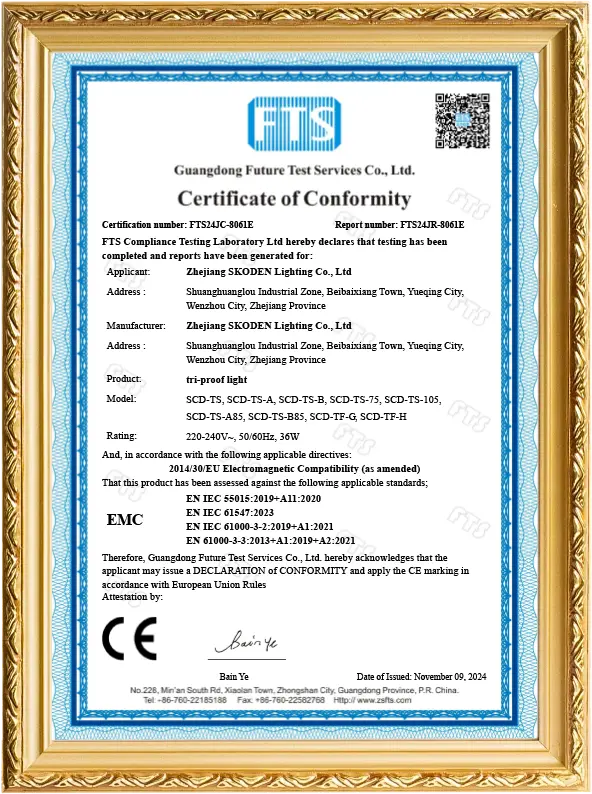
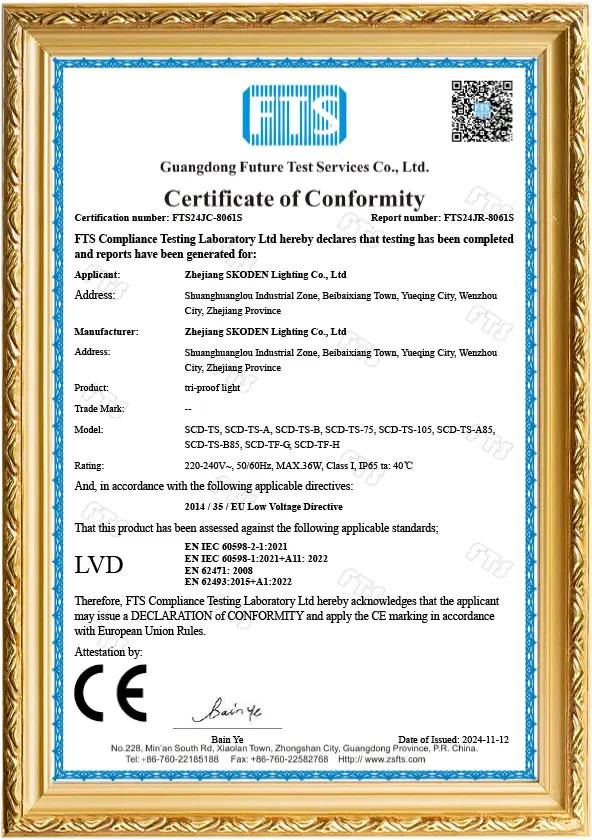
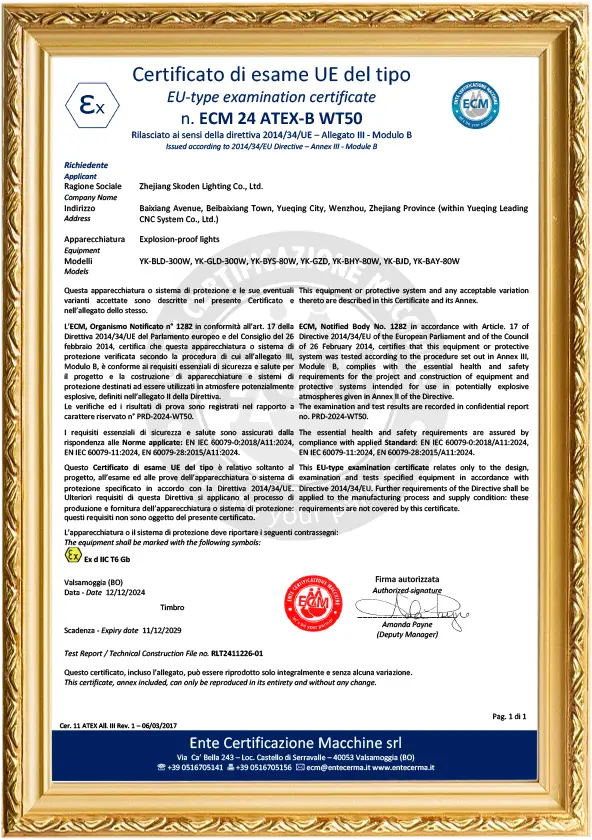
Quality Assurance Credentials & Industry Partners
Our luminaires are built using tier-1 optoelectronic components and tested under audited international quality frameworks.
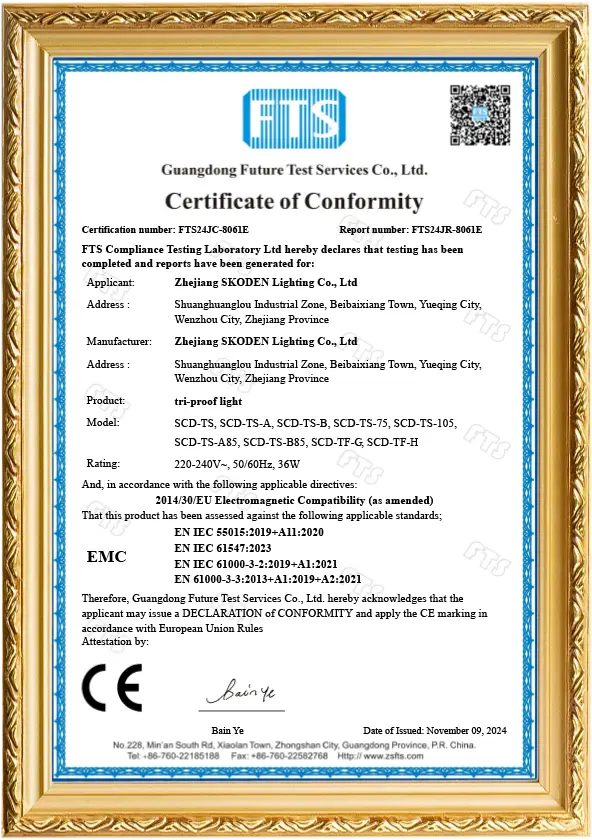
Collaborative Supply Chain & Component Integration
Featured Industrial & Explosion-Proof Production Line
Equip your distribution inventory with rugged, field-tested luminaires backed by 5-year commercial warranties and factory-direct support.

300/600/1200mm 18–60W LED Ceiling Panel Light

20–50W Round Mini Explosion Proof Ceiling Light

30–50W Rectangular Explosion Proof LED Flood Light

10–24W AC85–265V 120 lm/W Explosion Light

High Lumen 120 lm/W Round Mining Explosion Light

100W+30W Emergency Backup Explosion Proof LED Lamp

75–300W Compact Industrial Floodlight

Long Strip LED Explosion Proof Fluorescent Light 20–60W
Request Factory OEM Quotes, IES Files & Custom Samples
Send our engineering department your specific hazardous zone drawing, ceiling height, target lux parameters, or OEM branding blueprint. We provide full DIALux lighting calculations and prototype samples within 3 to 7 working days.