Office / Cleanroom
Explore standard commercial linear fittings, modular ceiling fixtures, and dual-mode emergency luminaires manufactured in our Yueqing facility. All units feature in-house IES darkroom validation, UL924/EN 60598-2-22 battery backup circuits, and hi-pot endurance certification.
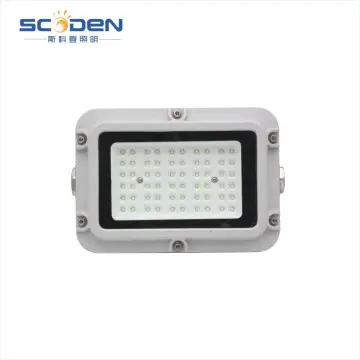
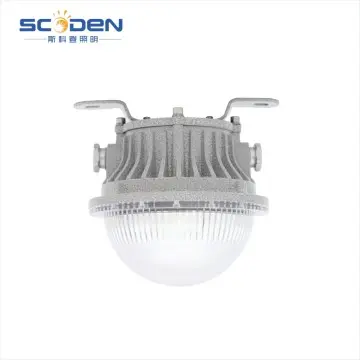
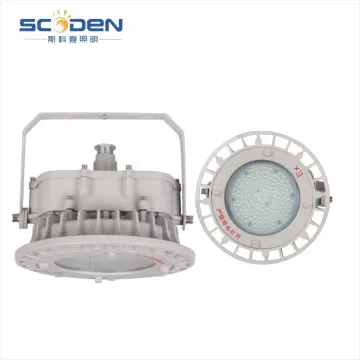
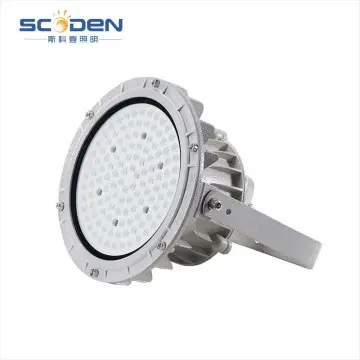
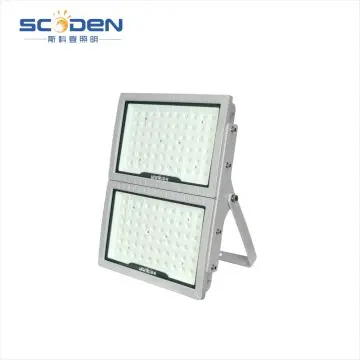
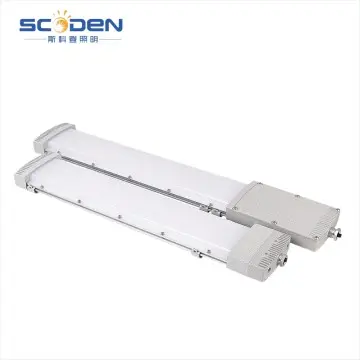
The global emergency office and commercial egress luminaire sector is evolving from passive standalone fixtures into networked, intelligent life-safety assets. Driven by stringent fire codes (NFPA 101, EN 1838, AS/NZS 2293) and corporate ESG mandates, tier-1 developers demand unified architectures combining daily functional lighting with fail-safe backup power.
Traditional Nickel-Cadmium (Ni-Cd) and Nickel-Metal Hydride (Ni-MH) battery cells are being systematically decommissioned due to EU RoHS directives and thermal sensitivity. Advanced Lithium Iron Phosphate (LiFePO4) storage delivers 2,000+ charge cycles, lower self-discharge rates, and uncompromised safety across high-temperature luminaire cavities.
Labor costs for manual monthly push-button testing have become unsustainable in commercial high-rises. Global procurement frameworks now mandate integrated DALI-2 Part 202 emergency control gear or autonomous self-diagnostic microcontrollers (Auto-Test) that report battery depletion and LED driver faults in real-time.
Architects reject redundant dual installations consisting of ugly "bug-eye" emergency battery units mounted next to luxury office troffers. Modern ODM projects specify ultra-thin architectural panels, architectural linear slots, and recessed downlights equipped with hidden micro-inverters and discreet bi-color status LEDs.
Direct factory costing depends strictly on internal driver topology, battery energy density, switching time relays, and optical certification classes. Below is the industry-standard bill-of-materials (BOM) cost sensitivity guide across volume factory orders.
| Product Category & Configuration | Core Technical Specs | Standard Certifications | Estimated Volume Unit Price (FOB Yueqing) | Target Sourcing MOQ |
|---|---|---|---|---|
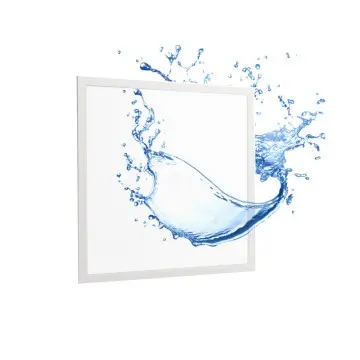
| Architectural Emergency LED Panel (600x600) | 40W Normal / 4W Emergency (90min), LiFePO4, UGR<19 | CE, RoHS, EN 60598-2-22 | $14.50 – $22.80 | 300 Units |
| Intelligent DALI-2 Self-Testing Troffer | 36W, 140lm/W, DALI-2 Part 202, Integrated Auto-Test LED | CB, DALI Alliance, UL924 Equivalent | $24.00 – $36.50 | 200 Units |
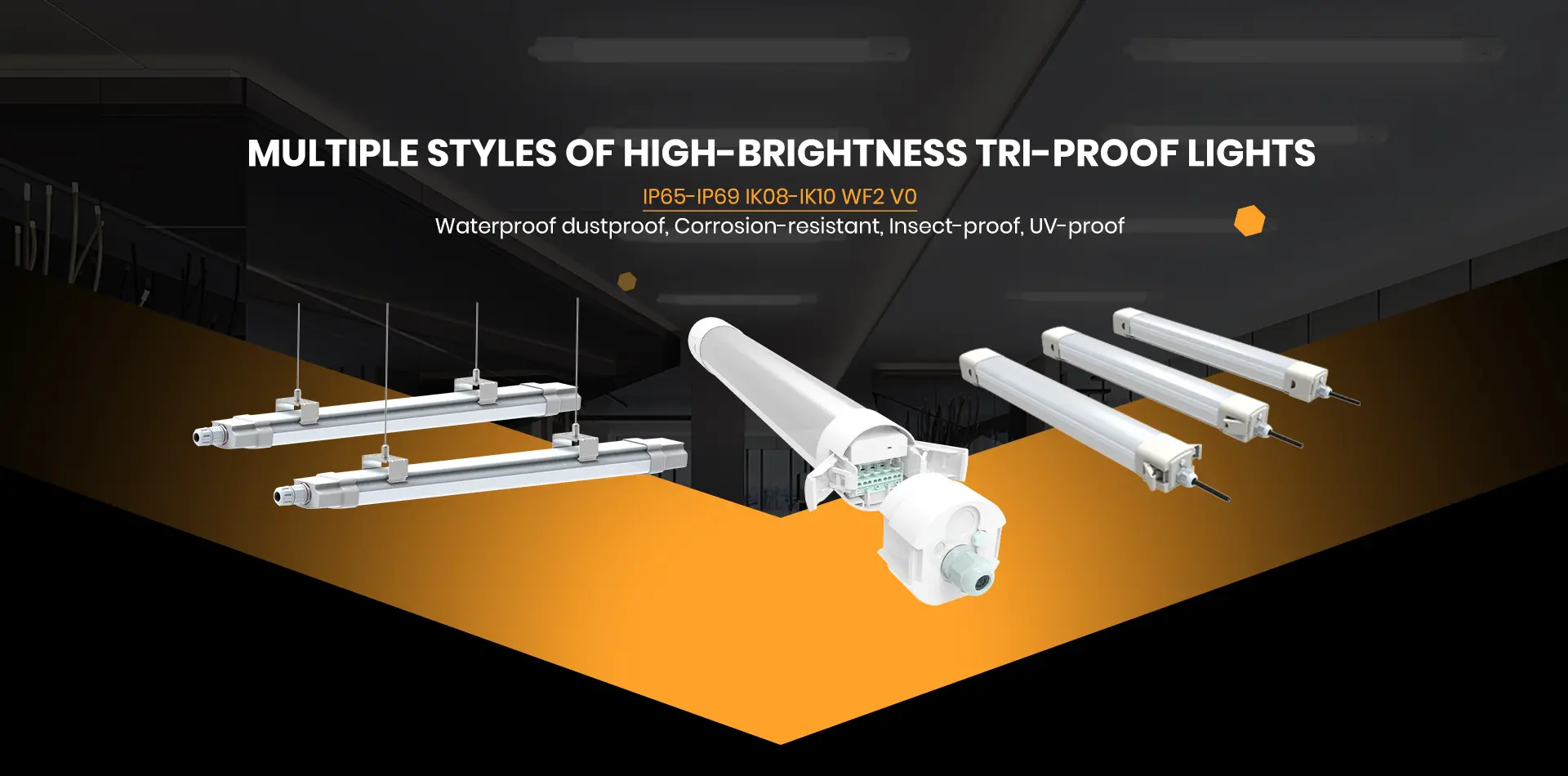
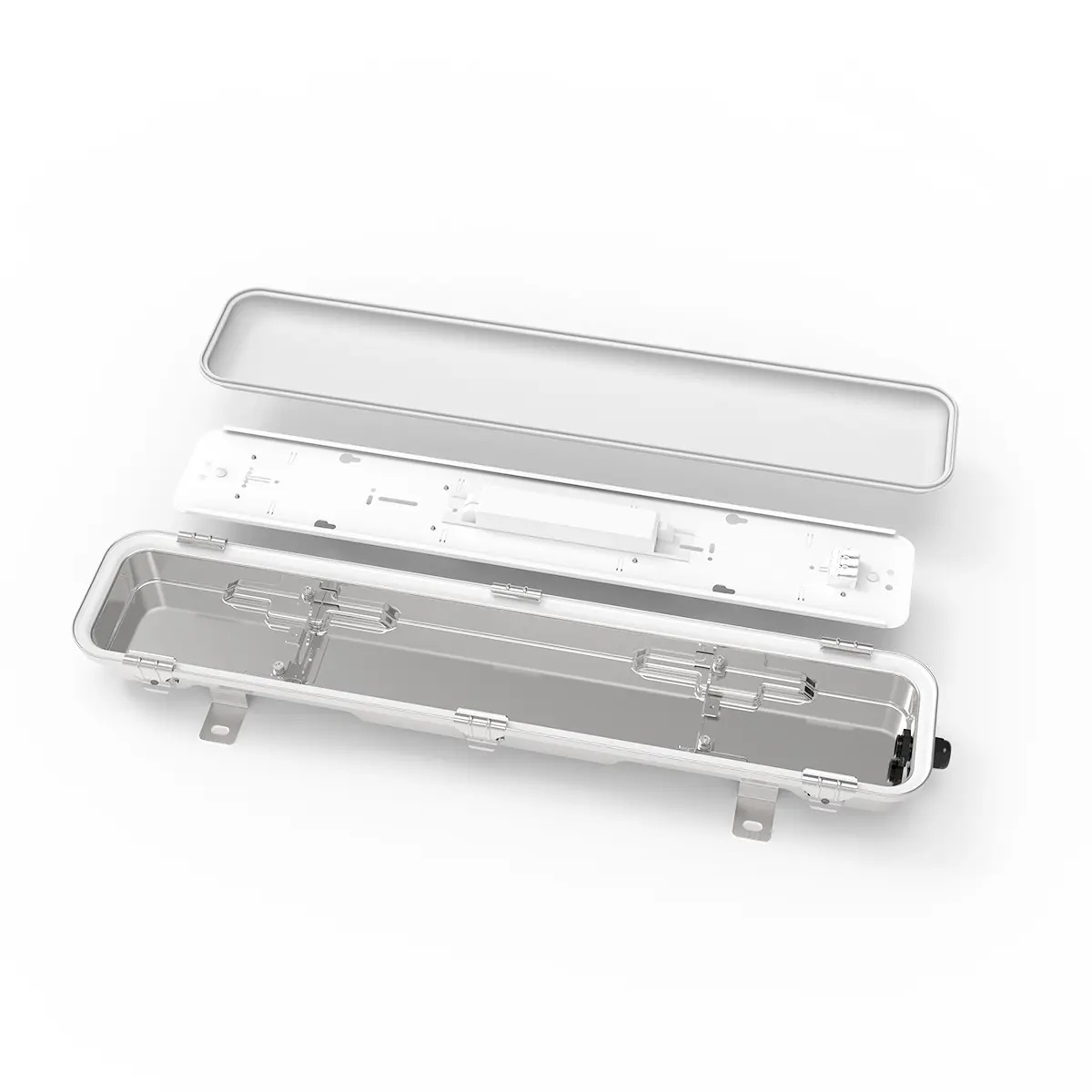
| IP65 Weatherproof Emergency Batten (1200mm) | 18–60W Selectable, Polycarbonate IK08, 180min Backup | ISO 9001, IP65/IP66, CE | $11.80 – $19.20 | 500 Units |
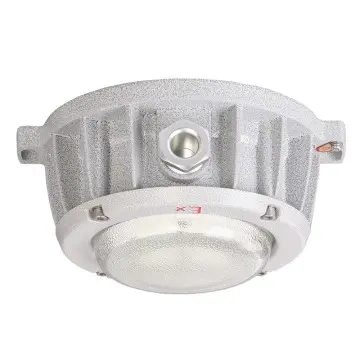
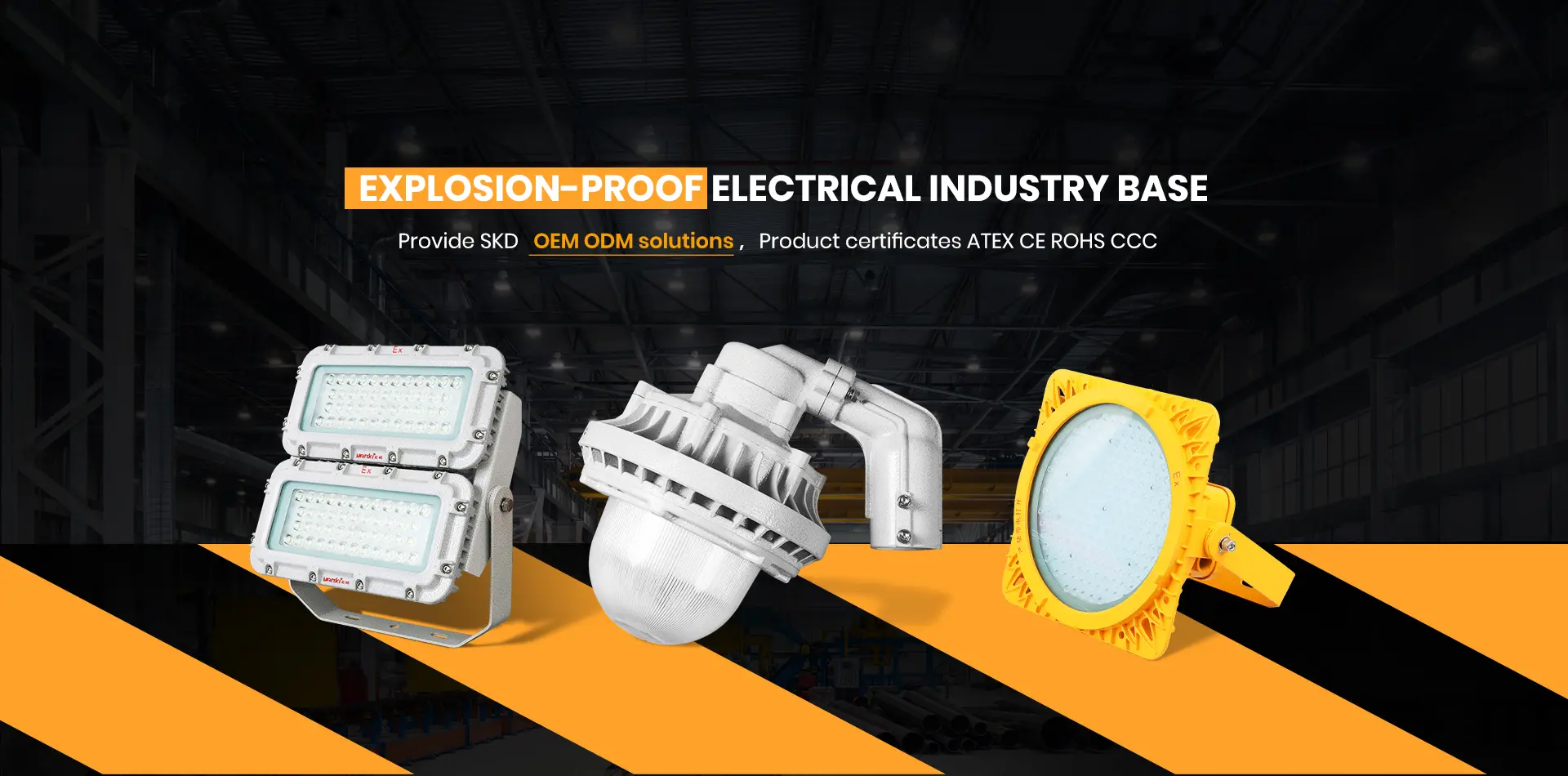
| Explosion-Proof Hazardous Emergency Light | 30–50W Normal / 10W EM, Die-Cast Al, Flameproof Ex d | ATEX, IECEx Zone 1/21, T6 | $48.00 – $85.00 | 50 Units |
| Discreet Recessed Emergency Downlight (Spot) | 3W Maintained/Non-maintained, LiFePO4 battery pack in housing | EN 1838, AS/NZS 2293, CE | $7.20 – $12.50 | 1,000 Units |
*Note: Final export quotes vary depending on raw aluminum index rates, custom private mold development, branded driver options (Tridonic/Mean Well/Philips), and emergency runtime requirements (60, 90, 120, or 180 minutes).
Emergency lighting is heavily governed by municipal safety bodies. Deploying lighting fixtures across international jurisdictions requires exact electrical and optical compliance.
Requires uninterrupted illumination along designated paths of egress for a minimum of 90 minutes during main power loss. Luminaires must deliver an initial average of 1 foot-candle (10.8 lux) and a minimum at any point of 0.1 foot-candle (1.1 lux), decaying to no less than 0.6 foot-candle at the end of duration.
Specifies 1 lux along the central escape route floor plane and 0.5 lux minimum for open anti-panic office zones. Photometric switch-over must achieve 50% target lux within 5 seconds and 100% output within 60 seconds of utility power collapse, typically demanding 3-hour battery capacity.
Mandates strict classification tables (such as D32, E25 photometric classes) governing precise spacing distances between fittings based on mounting height. Demands rigorous periodic 2-hour discharge tests and high thermal tolerance for components in unconditioned ceiling plenums.
Headquartered in Yueqing, Zhejiang—China’s premier electrical and lighting manufacturing cluster—Zhejiang Skodan Lighting Co., Ltd. provides complete end-to-end original design manufacturing (ODM), tooling development, and Semi-Knocked Down (SKD) assembly kits.
Integration of specialized high-temperature graphite thermal pads and optical PMMA micro-prismatic lenses that maintain strict low glare (UGR < 19) in everyday office use, while shifting beam angles during emergency operation to illuminate escape paths with maximum efficiency.
Deployment of Bluetooth SIG Mesh and Zigbee-based emergency drivers that interface with building management systems (BMS). Automated scheduled testing logs are securely compiled on cloud servers without manual site inspections, fulfilling fire brigade inspection audit requirements.
Engineering fixtures compatible with both decentralized battery packs and centralized 216V DC emergency battery arrays. Intelligent drivers feature automated DC voltage recognition, instant frequency lock, and low ripple emissions to prevent security camera interference.
To reduce high import tariffs in South America, Southeast Asia, and the Middle East, Scoden supplies Semi-Knocked Down (SKD) packs including pre-punched aluminum housings, SMT LED modules, tested emergency control units, and pre-wired wire harnesses for local assembly.
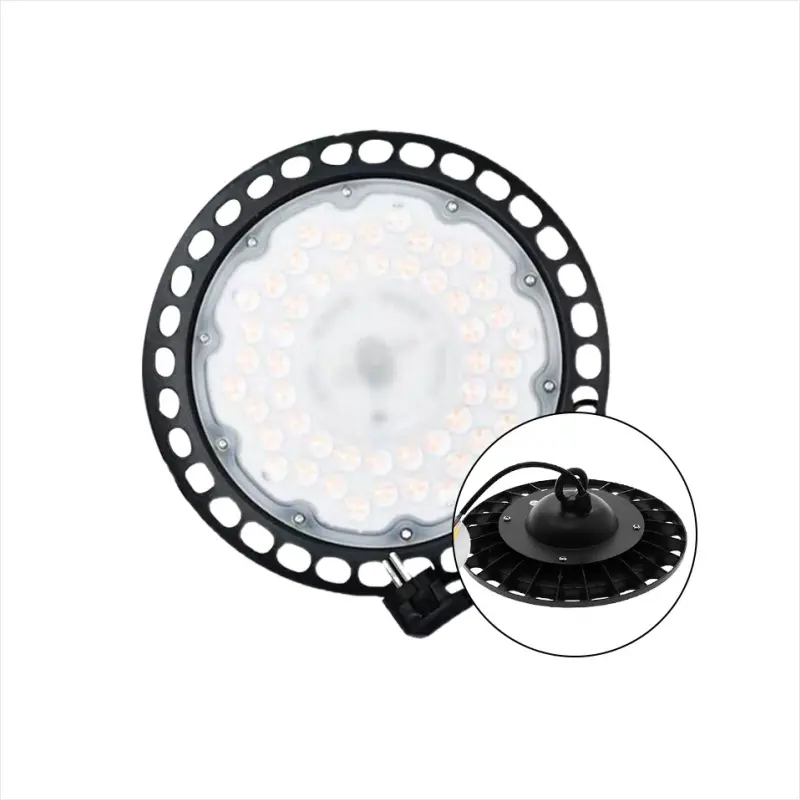
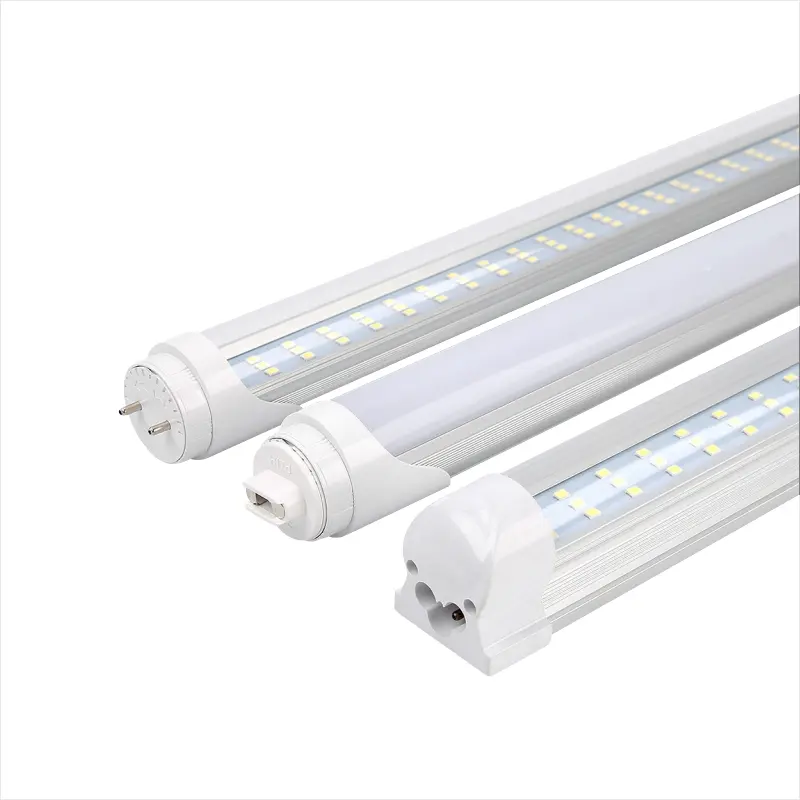
Our extended line of heavy-duty emergency luminaires engineered for challenging industrial office corridors, stairwells, switchgear rooms, and commercial manufacturing plants.
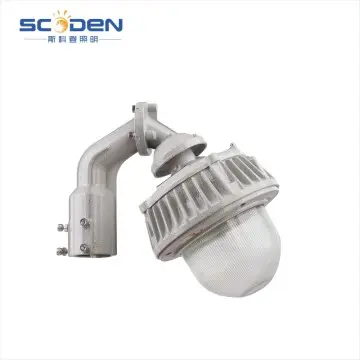
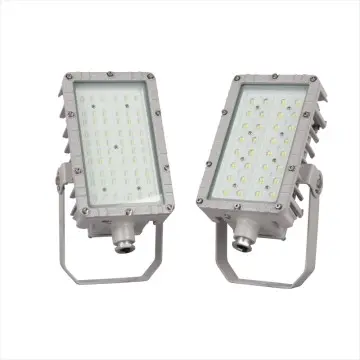
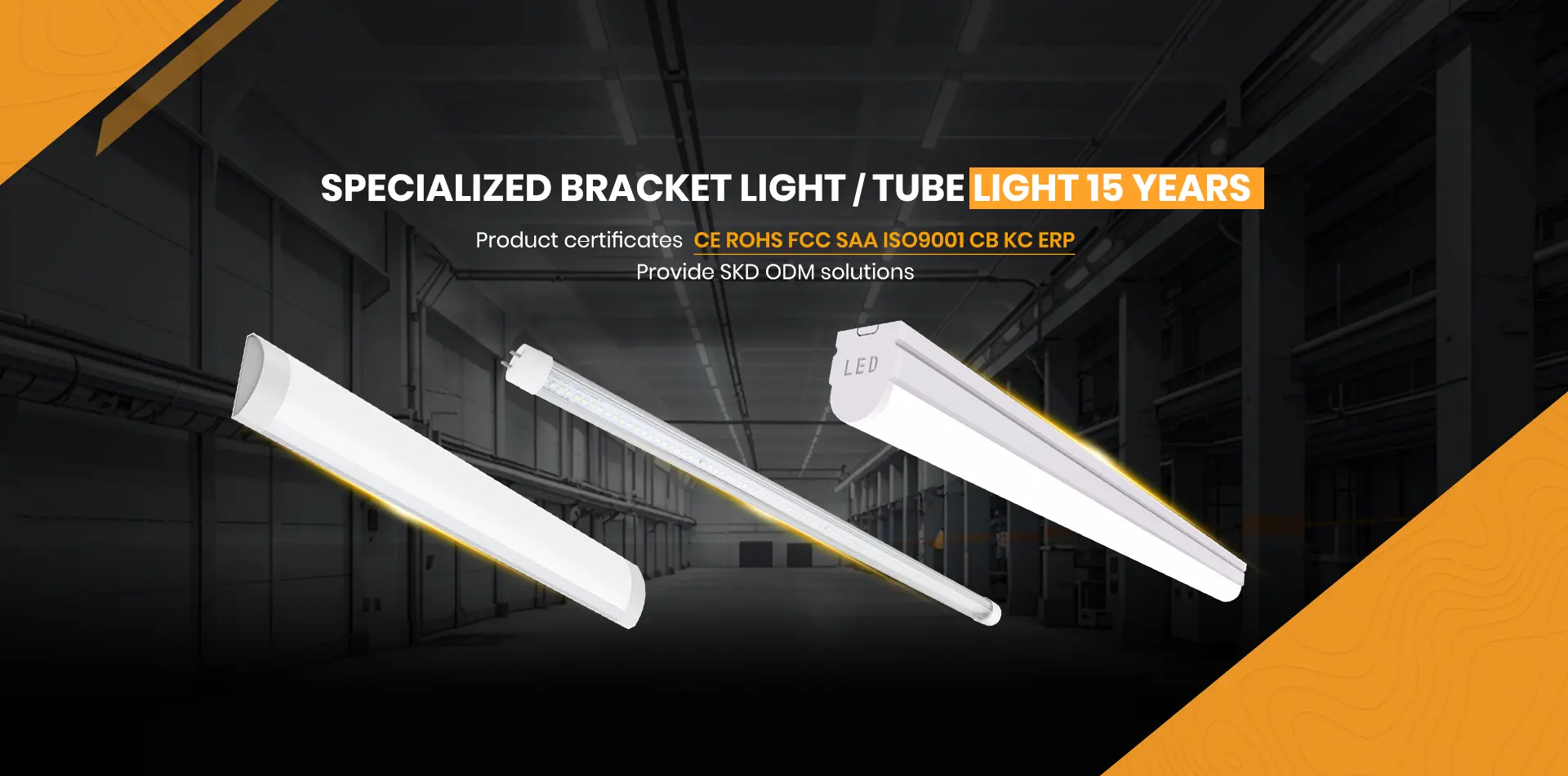
Key information regarding battery degradation, photometrics, OEM branding, and factory testing directly answered by our Yueqing engineering and quality assurance teams.
LiFePO4 batteries deliver 2,000 to 3,000 charge/discharge cycles compared to 500–800 cycles for traditional Ni-Cd cells. In high-temperature ambient conditions within enclosed office luminaires (up to 45°C), LiFePO4 maintains over 80% capacity after 4–5 years, substantially reducing replacement maintenance overhead.
A tri-proof light is designed for damp, dusty, or corrosive areas (IP65–IP66 rating), protecting internal drivers from moisture and particulate ingress. An explosion-proof luminaire is built within a heavy flameproof enclosure (Ex d / Ex e) designed to contain any internal explosion without igniting external combustible gases or airborne dust in Zone 1/21 environments.
We supply full IES and LDT photometric files captured inside our in-house optical darkroom goniophotometer. Planners can import these files directly into DIALux or Relux software to model normal working lux levels alongside emergency egress floor contours.
Standard custom packaging, silk-screen laser marking, and driver re-programming have a baseline MOQ of 200–500 units depending on the fixture line. Standard delivery lead time ranges from 15 to 25 business days. Rapid sample proofing for client audits can be completed within 5–7 working days.
Yes. Our multi-channel drivers support tri-level dimming (100% active, 20% standby corridor hold, 0% off) through built-in microwave sensors. When primary AC grid power is interrupted, the sensor is bypassed immediately and the emergency module powers the LED array at 3W–10W constant wattage for the required 90–180 minutes.
Our manufacturing plant is located on Baixiang Avenue, Beibaixiang Town, Yueqing, Wenzhou, Zhejiang Province, China. We welcome live interactive video audits as well as on-site client inspections covering our SMT line, glue-dispensing robots, aging racks, and withstand-voltage test benches.