
Precision Corrosion-Proof & Explosion-Proof Product Deployments
Explore our certified industrial luminaires built to withstand chemical exposure, saline vapor, and severe atmospheric stress.
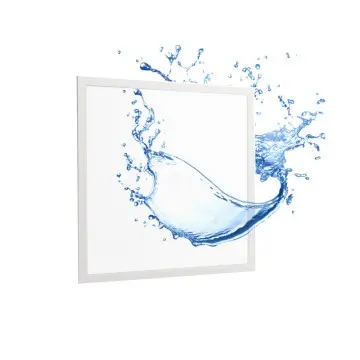
300/600/1200mm 18–60W LED Ceiling Panel Light
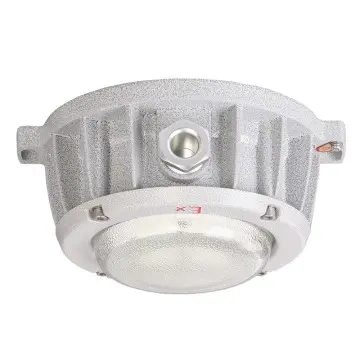
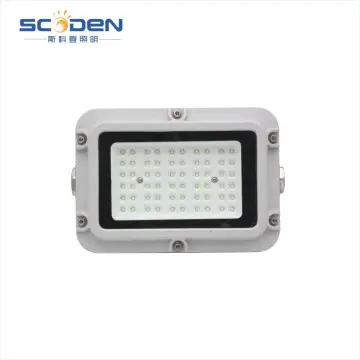
30–50W Rectangular Explosion Proof LED Flood Light
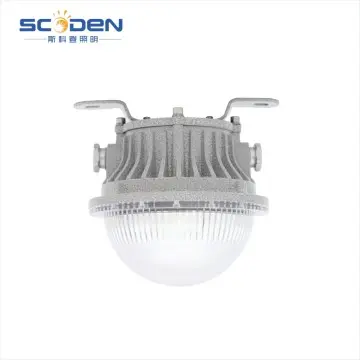
10–24W AC85–265V 120lm/W Explosion Light
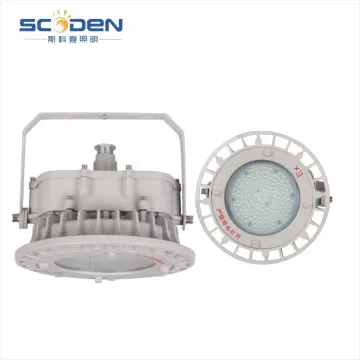
High Lumen 120lm/W Round Mining Explosion Ceiling Light
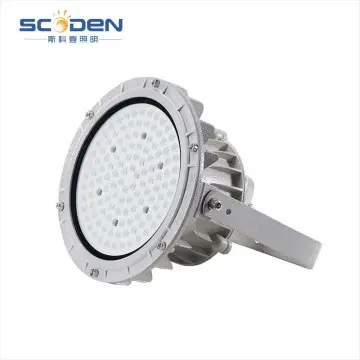
100W+30W Emergency Backup Explosion Proof LED Lamp
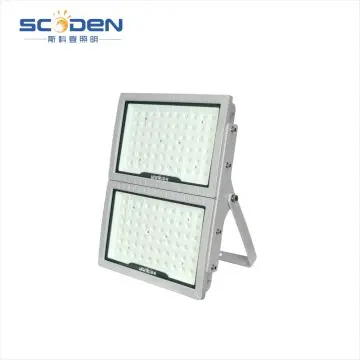
75–300W Compact Explosion Proof Industrial Floodlight
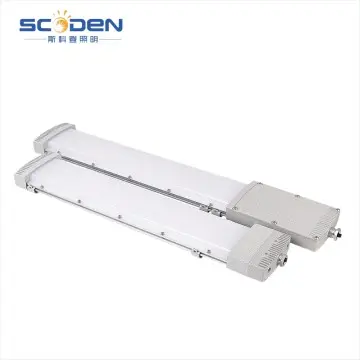
Long Strip LED Explosion Proof Fluorescent Light 20–60W
The Global Economics of Corrosion Mitigation in Industrial Lighting
A comprehensive analysis of how aggressive atmospheric conditions impact capital expenditures and operating lifespans across heavy sectors.
The $2.5 Trillion Annual Impact
According to NACE International studies, the global cost of industrial corrosion exceeds $2.5 trillion annually. In processing facilities, marine ports, and chemical processing zones, lighting systems represent frequent operational failure points if housing materials and gasket seals succumb to acidic vapors or galvanic decay.
Premature Lumen Depreciation
Micro-corrosion of luminaire heat spreaders degrades structural heat dissipation efficiency. As internal thermal resistance skyrockets due to oxidation, LED junctions overheat, leading to accelerated chromaticity drift, premature lumen depreciation, and unpredicted electronic driver failure within hazardous enclosures.
Total Cost of Ownership (TCO)
Engineering replacement cycles in offshore oil platforms, fertilizer bagging sheds, and pharmaceutical cleanrooms carries high logistics and safety setup costs. Procuring genuine ODM corrosion-proof luminaires minimizes hazardous scaffolding re-entry and maintenance down-time over 50,000 to 100,000 operational hours.
Localized Engineering Use-Cases: Material-to-Atmosphere Mapping
Specific environmental chemistries dictate customized polymer selections, surface finishes, and hardware configurations.
| Industrial Operating Scenario | Primary Corrosive Agent | Recommended Enclosure & Optics | Sealing & Fastener Strategy |
|---|---|---|---|
| Offshore Marine & Coastal Ports | High Sodium Chloride (NaCl) Spray, UV, Humidity | Copper-free Die-Cast Al (<0.5% Cu) + C5-M Marine Fluorocarbon Coat | Fluorosilicone O-rings, SS316 Marine Grade Stainless Fasteners |
| Fertilizer & Chemical Storage Depots | Ammonia Vapor (NH3), Nitrates, Phosphates | Virgin UV-Stabilized Bayer Polycarbonate (PC) Full Body | Seamless EPDM Gasketing, Non-metallic External Clips |
| Galvanizing & Pickling Workshops | Sulfuric & Hydrochloric Acid Vapors (H2SO4, HCl) | Fiberglass Reinforced Polyester (GRP) or Thick PC Enclosure | Acid-resistant PTFE seals, Polyurethane potted cable glands |
| Food & Beverage Washdown Facilities | Caustic Soda (NaOH), High-Pressure Washdown (>100 Bar) | Seamless Smooth Extruded PC Tubular Battens (IK08/IP69K) | Food-Grade Silicone, Anti-microbial Smooth Shell Design |
| Underground Tunnels & Mining Shafts | Damp Acid Mine Drainage, SO2, Explosive Methane | Flameproof Cast Aluminum Housing with WF2 Heavy Coating | Tempered Borosilicate Glass, Explosion-proof labyrinth joints |
Scoden Manufacturing Capabilities That Lower Your Sourcing Risk
Decades of luminaire specialization supported by ISO 9001 certified darkrooms, withstand-voltage testers, and automated lines.
High-Efficiency Production
Rapid proofing turnaround, agile wattage/CCT binning adjustments, dynamic silk-screen branding, and optimized fabrication scheduling keep lead times tight.
OEM / SKD / ODM Service
Private tooling engineering, custom extrusion dies, and Semi Knocked Down (SKD) sub-assembly module delivery allowing partners to meet domestic tariff thresholds.
Quality Assurance Rigor
Over 12 years of specialized focus governed by ISO 9001. We maintain strategic alliances with Tier-1 component providers for top-tier chips and isolated drivers.
Multidisciplinary R&D
Direct engagement with mechanical thermal engineers, optical simulation specialists, and bilingual export compliance managers ensures absolute clarity.
China Factory Supply Chain Resilience & Yueqing Cluster Velocity
Why sourcing your custom ODM corrosion-proof lighting directly from the Yueqing industrial cluster delivers unparalleled cost, cycle, and engineering advantages.
"Electrical Capital" Ecosystem
Situated in Beibaixiang Town, Yueqing, Zhejiang, Scoden operates within China's primary electrical apparatus corridor. Raw materials, die-casting foundries, certified silicone gasketing molders, explosion-proof terminal block suppliers, and PCB fabrication hubs exist within a 15-kilometer radius, slashing logistics latency.
Integrated Tooling & Mold Amortization
Developing bespoke corrosion-resistant extrusions, custom explosion-proof junction enclosures, or specialized optics typically requires prohibitive capital in Western markets. Our integrated Yueqing tooling pipeline reduces mold opening fees by 60% and prototype cycle times from months to weeks.
Scalable Mass Production Elasticity
Our facility effortlessly toggles between specialized boutique runs of high-specification C5-M explosion-proof fixtures for oil terminals and high-volume containerized shipments of IP65/IP66 corrosion-proof polycarbonate battens for global logistics facilities, preserving operational balance.
Technical Roadmap & Next-Generation Material Science
How Scoden R&D is solving the next frontier of corrosive challenges through advanced chemistry and digital integration.
Nano-Ceramic Coatings
We are integrating self-healing nano-ceramic thin films over ADC12 die-cast matrices. These microscopically seal pinhole porosity in aluminum castings, preventing micro-capillary electrolyte tracking in acidic marine atmospheres without adding excessive thermal resistance.
Optical Silicone Gasketing (LSR)
Liquid Silicone Rubber (LSR) injection molding is supplanting traditional EPDM strips. LSR retains thermal elasticity across severe cryogenic temperatures (-40°C) and extreme engine bay heat (+65°C), remaining immune to ozone degradation and solvent vapor swelling.
Predictive Smart Telemetry
Next-generation fixtures incorporate integrated volatile organic compound (VOC) and micro-humidity interior sensors linked to DALI-2/Zigbee mesh nodes. They alert plant operators immediately if seal integrity is breached long before catastrophic driver failure occurs.
Localized Support & Rigorous Global Compliance Assurance
Ensuring cross-border compliance through accredited testing protocols, photometric verification, and localized engineering documentation.
Full Photometric & Dialux Support
Every customized fixture variation produced under our ODM program is photometrically measured in our darkroom. We deliver native .IES and .LDT distribution curves directly to your project tender team, expediting Dialux simulation validation.
Salt Spray & Environmental Reports
To substantiate marine and WF2 atmospheric ratings, we supply comprehensive third-party neutral salt spray (NSS) test documentation up to 1,000+ hours, alongside thermal imaging and chemical resistance checklists.
Supply Chain Transparency
We welcome third-party technical quality inspections (SGS, TÜV, Intertek) prior to shipment sealing. Live high-definition video plant tours and comprehensive wafer-level component tracking guarantee authentic traceability.
How to Specify Hazardous-Area & Corrosion-Proof LED Lighting
Ensure your engineering bids avoid costly deployment failures by establishing complete IEC 60079 environmental baselines.
Confirm the Hazardous Zone
Establish explosive gas or vapor frequency: Zone 0 (continuous hazard), Zone 1 (likely in routine operations), or Zone 2 (abnormal/transient risk). For combustible particulate environments, define Zone 20, 21, or 22 dust classifications.
Match the Gas & Dust Group
Equipment groups correlate to the ignition energy threshold of surrounding gases: Group IIA (Propane/Methane), Group IIB (Ethylene), or Group IIC (Hydrogen/Acetylene). Note that certified Group IIC apparatus provides universal coverage for IIB and IIA environments.
Evaluate Surface Temperature (T-Class)
Verify that the maximum external surface temperature of the fixture is substantially below the spontaneous auto-ignition threshold of the surrounding chemical atmosphere. Classes span from T1 (450°C) down to critical T6 (≤85°C) limits.
High-Spec Industrial, Batten & Floodlight Implementations
Engineered for high physical impact, chemical exposure, and uninterrupted operational reliability.
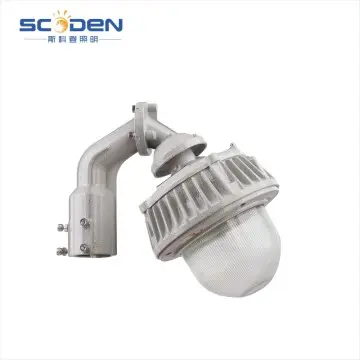
360° Anti-Glare Small Explosion Proof Industrial Light
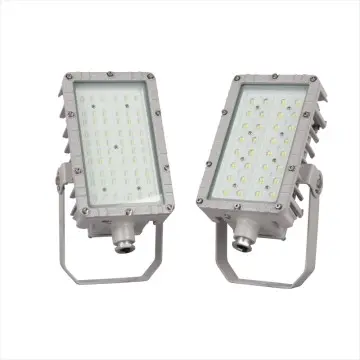
Multi-Module Explosion-Resistant Flood Lamp 300W / 400W
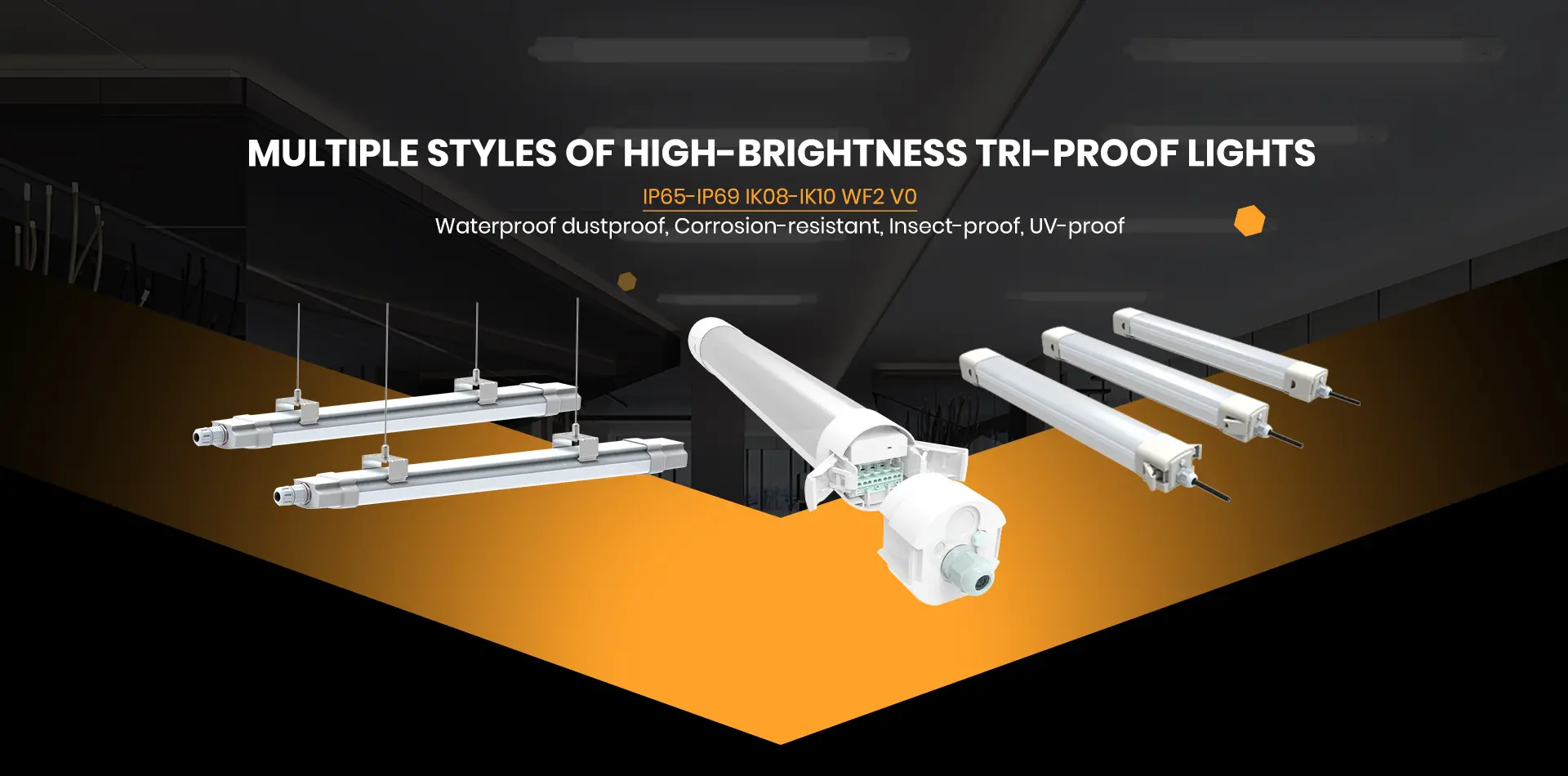
Full-Plastic IP65 IK08 Waterproof LED Tri-Proof Light
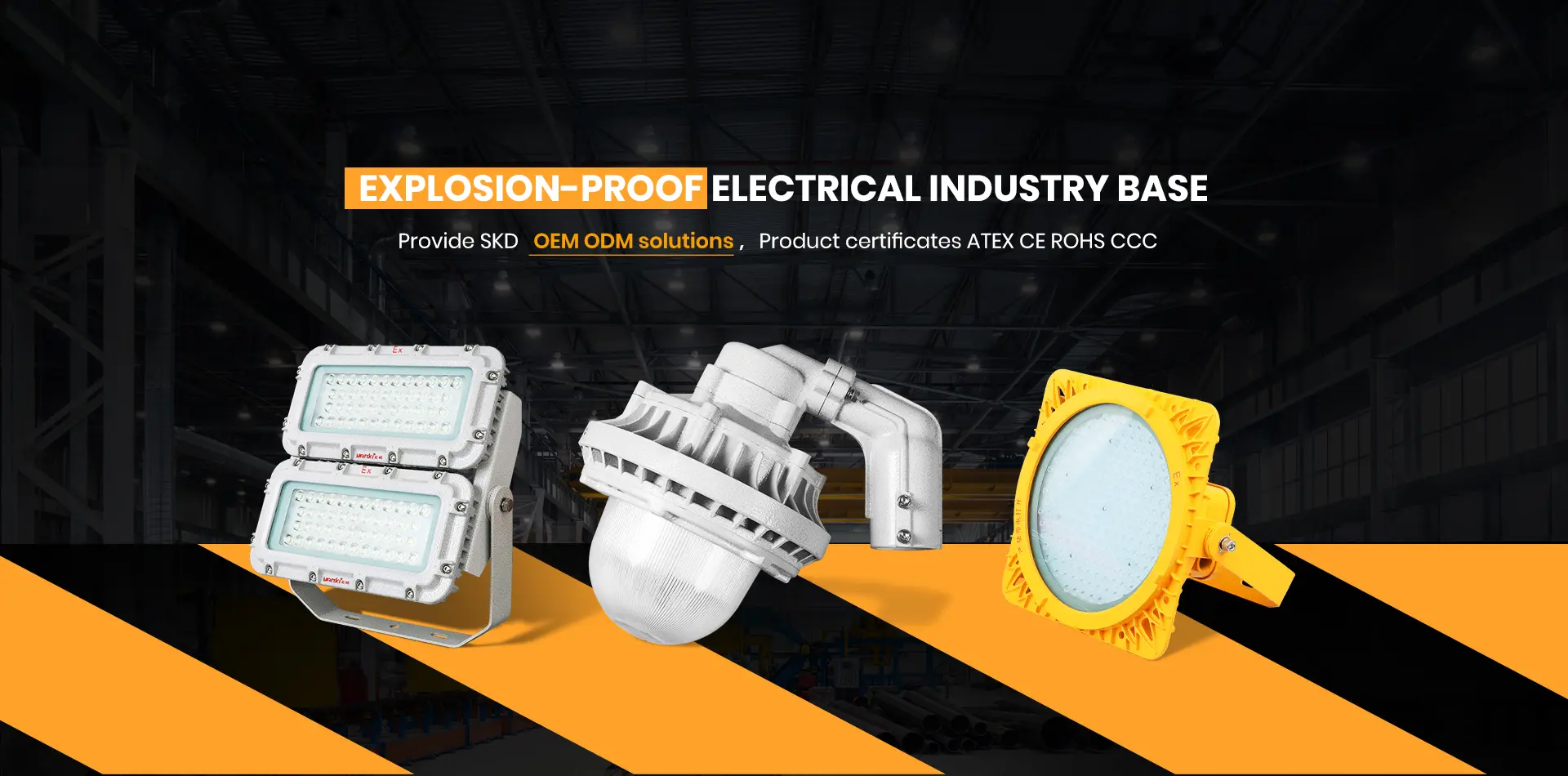
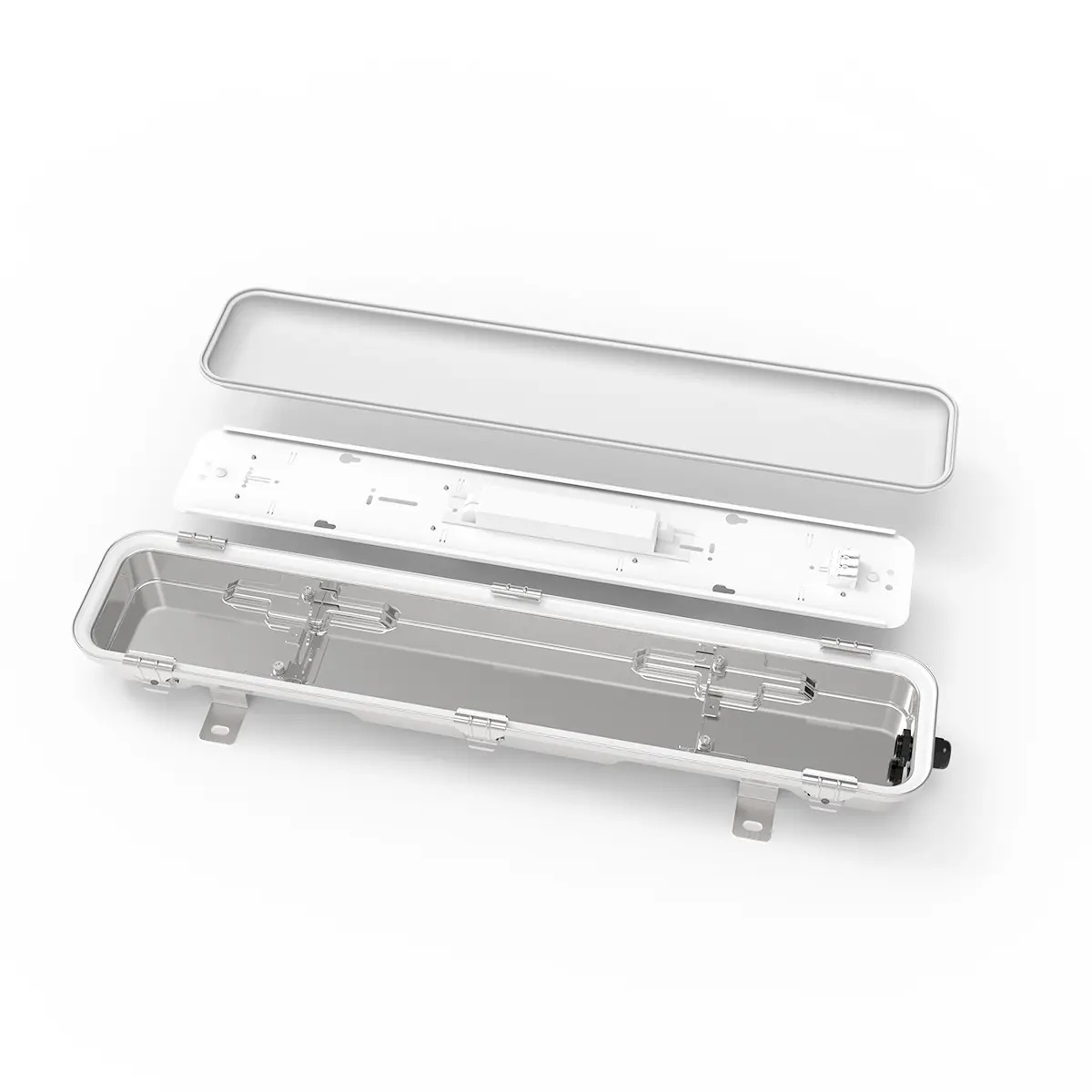
Waterproof Harsh Environment LED Luminaire
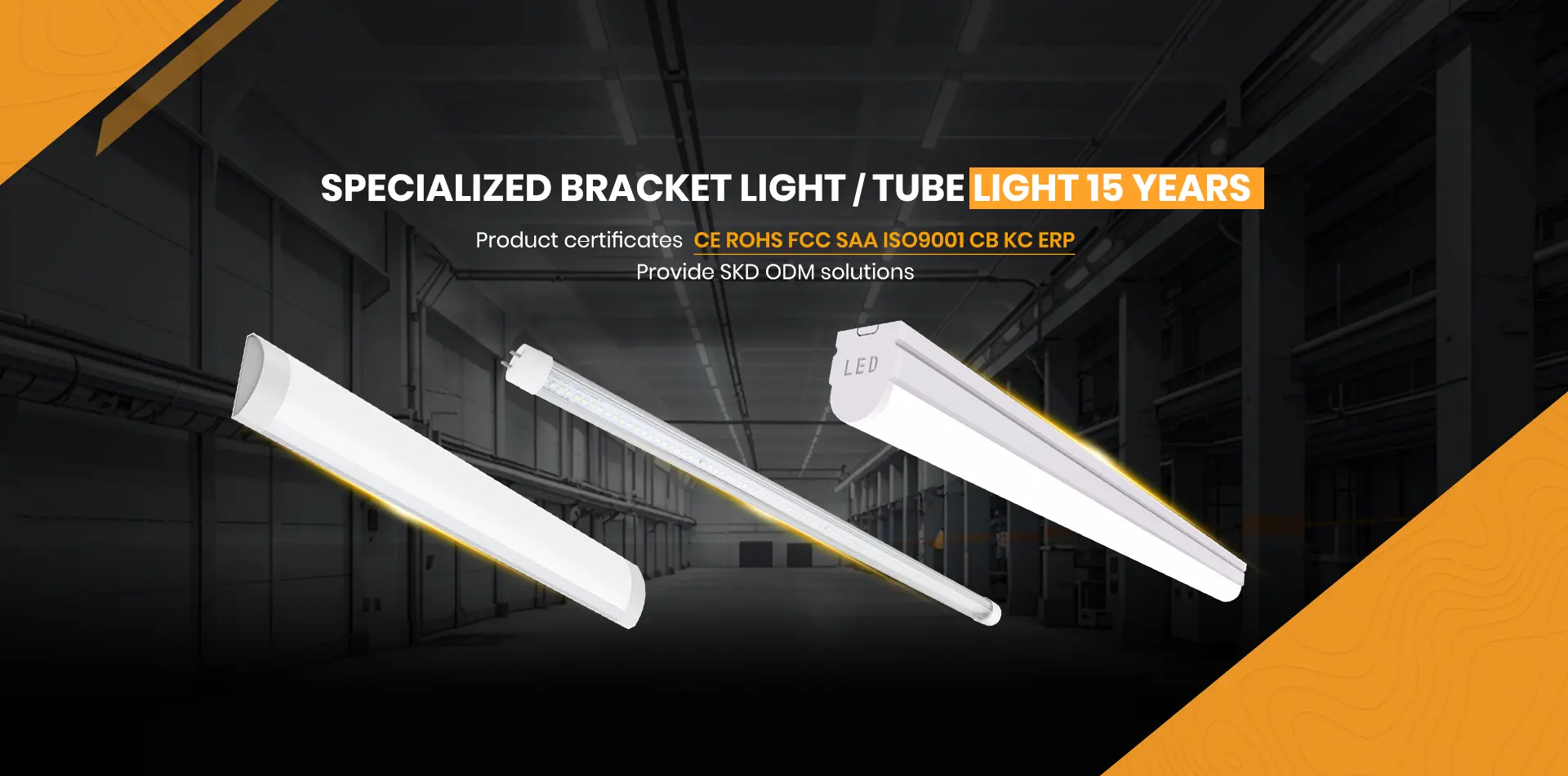
Impact-Resistant PC LED Batten Light Linear
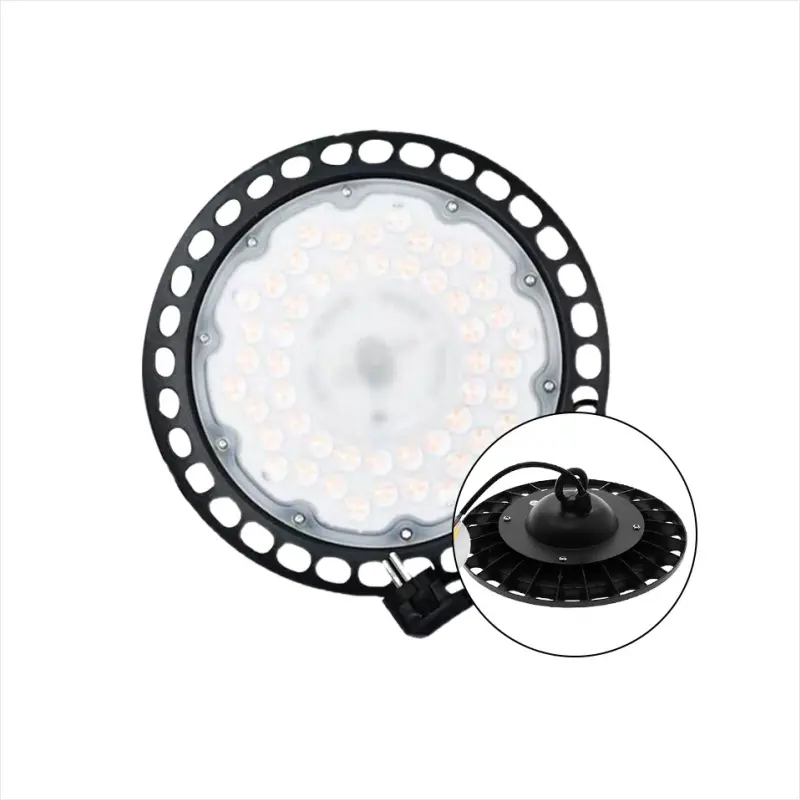
SCD-U1500 UFO Explosion-Proof High Bay Fixture
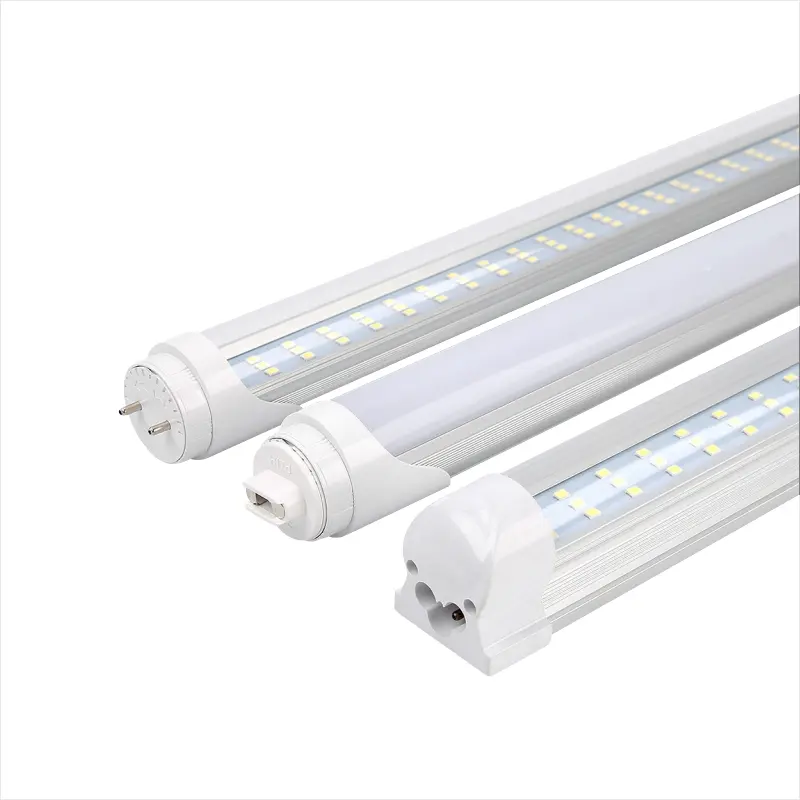
SCD-LT8 LED Integrated Stent Batten Lamp
Smart Sensing Intelligent Dimming Batten
Frequently Asked Questions: ODM Corrosion-Proof Manufacturing
In-depth responses from our export engineering group regarding technical specs, materials, and ODM services.
What is the distinction between LED tri-proof lights and explosion-proof lights in corrosive environments?
What surface coatings are used to guarantee corrosion-proof integrity on aluminum luminaires?
Does Scoden support complete ODM engineering and SKD supply kits?
What quality verification tests are carried out before cargo departure?
Can corrosion-proof fixtures integrate emergency backup batteries and intelligent microwave sensors?
Collaborative Ecosystem Partners
Working alongside component suppliers, logistics carriers, and engineering test facilities.


Initiate Your Next Corrosion-Proof ODM Project
Connect directly with our Yueqing engineering team for tailored thermal drawings, photometric .IES files, custom extrusion feasibility, or prompt quotation support.