
IP65 Cleanroom
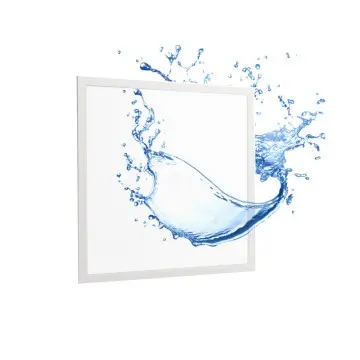
In-house photometric tested (IES), 100% aging and withstand-voltage verified industrial fixtures designed for rugged deployment, low-voltage buses, and wet processing facilities.
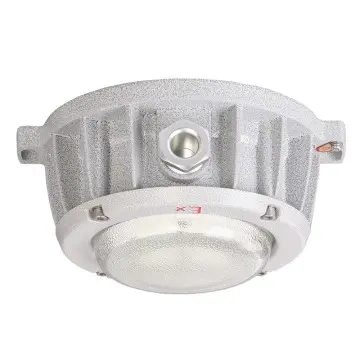
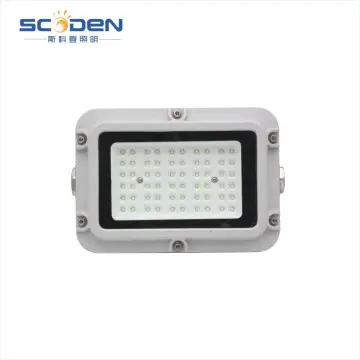
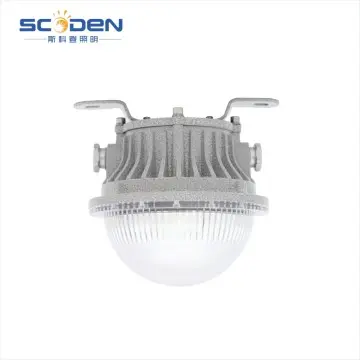
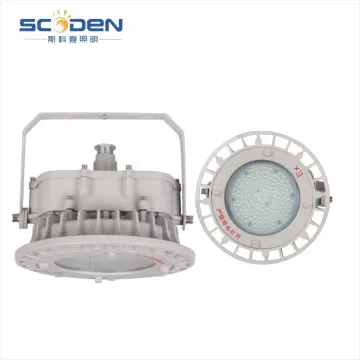
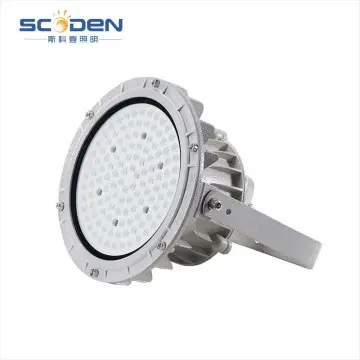
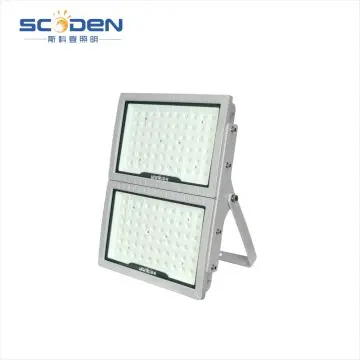
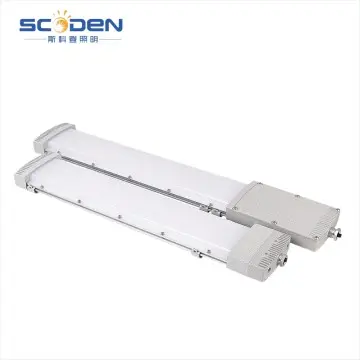
Evaluating engineering drivers across North America, Europe, Southeast Asia, and the Middle East for extra-low voltage SELV/PELV industrial lighting systems.
International electrical codes (IEC 60364-7-706 and OSHA 1910.303) strictly limit electrical potential to ≤50V AC RMS or ≤120V ripple-free DC inside conductive confined spaces, washdown sumps, underground mining shafts, and boiler crawlspaces. Custom low-voltage tri-proof luminaires operating on 12V DC, 24V DC, or 36V AC completely eliminate electrocution hazards in saturated environments where insulation degradation can otherwise prove catastrophic.
Offshore oil platforms, remote telecommunication stations, solar microgrids, and mobile marine operations operate on dedicated 24V or 48V battery storage topologies. Traditional AC fixtures introduce unnecessary inversion thermal losses (typically 8–15%) and parasitic switching points. Custom DC low-voltage fixtures interface natively with DC bus infrastructure, streamlining electrical architecture, reducing failure nodes, and boosting round-trip lighting efficiency.
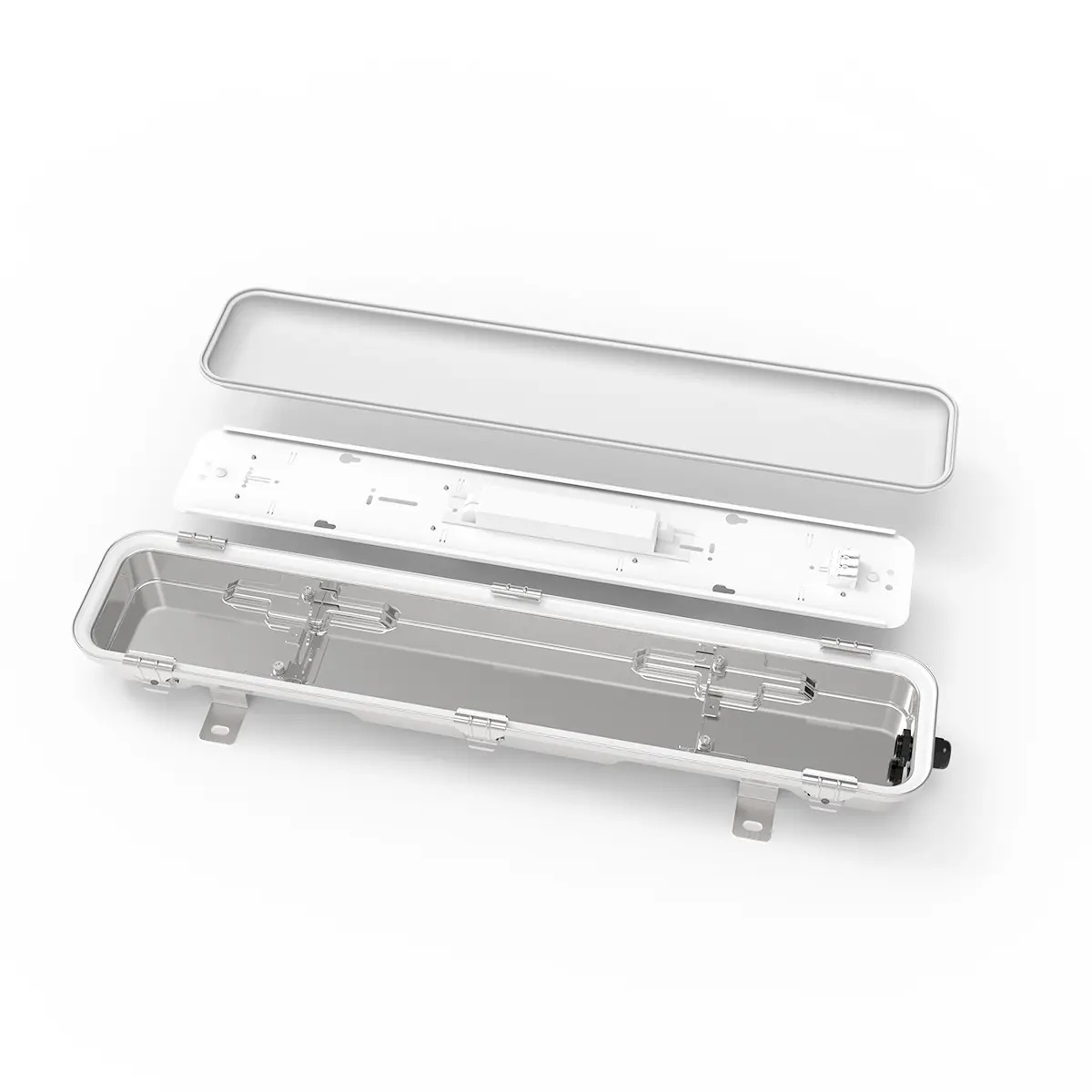
Food processing (meatpacking, dairy, breweries) and petrochemical washdown zones subject luminaires to aggressive cleaning chemicals (sodium hypochlorite, caustic soda) alongside high-pressure, thermal-shock washdowns (IP69K). Custom tri-proof fixtures utilize virgin Polycarbonate (PC) or PMMA anti-ammonia extrusions with seamless silicone gaskets and 316-grade stainless steel clips, guaranteeing structural and photometric stability across hundreds of thermal wash cycles.
A granular performance comparison for project EPC engineers, facility directors, and electrical contractors evaluating long-term asset life cycles.
| Evaluation Parameter | Standard Commercial AC Batten | Industrial High-Line AC Tri-Proof | Scoden Custom Low-Voltage Tri-Proof |
|---|---|---|---|
| Operating Input Voltage | 100–277V AC (50/60 Hz) | 100–240V / 277–480V AC | 12V / 24V / 36V / 48V DC & SELV AC |
| Shock & Human Safety Hazard | High lethal risk in wet environments | Requires GFCI/RCD breakers; arc risk | Inherently Safe; Zero lethal touch voltage |
| Ingress & Impact Resistance | IP20–IP44 / IK02 | IP65 / IK06–IK08 | IP65–IP66 Sealed / IK08–IK10 Polycarbonate |
| Electrolytic Driver Thermal Life | 25,000–35,000 hrs (High heat load) | 50,000 hrs @ Ta 40°C | >70,000 hrs (Remote or buck-converter topology) |
| Ammonia / Chemical Resistance | None; rapidly degrades | Standard PC (vulnerable to microcracking) | PMMA or Anti-UV PC Co-extrusion options |
| Off-Grid / Solar Bus Compatibility | Requires DC-to-AC Inverter (losses) | Requires high-voltage UPS | Native Direct DC Bus Coupling (Zero inverter overhead) |
Based in Beibaixiang Town, Yueqing, Zhejiang—the Electrical Capital of China—Zhejiang Skodan Lighting Co., Ltd. provides private mould development, precision die-casting, high-speed automated glue dispensing, CNC stamping, and rapid prototyping. We offer SKD (Semi-Knocked-Down) supply kits designed specifically for regional assembly plants looking to optimize local import tariffs.
Eliminate sourcing guesswork with traceable documentation. Every custom low-voltage production run undergoes complete IES photometric testing in our in-house optical darkroom, spectral flux sphere analysis, high-voltage withstand safety tests, and prolonged aging chamber cycles under load to guarantee operational fidelity in ambient temperatures ranging from -30°C to +55°C.
Anticipating evolving power standards, industrial IoT (IIoT), and digitalized microgrid systems.
Wide input range (10–36V DC & 24–48V DC) with internal constant-current circuitry, ensuring constant optical lux across extended cable runs without forward-voltage luminaire dimming.
Integration of sealed, motion-sensing radar transceivers operating through hermetic poly diffusers, combined with low-voltage DALI-2 and 0–10V smart corridor dimming architectures.
Equipping central DC drivers with Zigbee / Bluetooth Mesh and RS-485 Modbus telemetry to monitor diode junction temperatures, runtime cycles, and proactive maintenance warnings.
Transitioning toward bio-circular polycarbonate housings, tool-less fast-clip modularity for instant diode board replacement, and system efficiencies surpassing 180 lm/W.
Bridging national regulatory standards with verified third-party laboratory credentials.
We tailor custom internal driver packages for diverse regional utility conditions. In North America, Class 2 wiring regulations govern DC fixtures under 60V, dramatically lowering electrical conduit installation costs. In Europe, adherence to Low Voltage Directive (LVD) and SELV standards ensures effortless project commissioning without requiring specialized licensed high-voltage electricians.
Global buyers receive comprehensive documentation packages required by EPC engineering teams: full spectral distribution reports, customized Dialux / Relux simulation .IES data, thermal dissipation maps, corrosion resistance salt-spray reports, and detailed bill-of-materials (BOM) certificates for components from trusted LED chip and driver brands.
Communication friction delays project delivery. Our international technical sales team operates alongside factory R&D engineers in Yueqing, providing submittal-level drawing reviews, mounting bracket customizations, quick-disconnect IP-rated cable harness designs, and responsive direct WhatsApp and email engineering support.
In-depth engineering answers addressing voltage drop, mounting configurations, hazardous approvals, and custom manufacturing minimums.
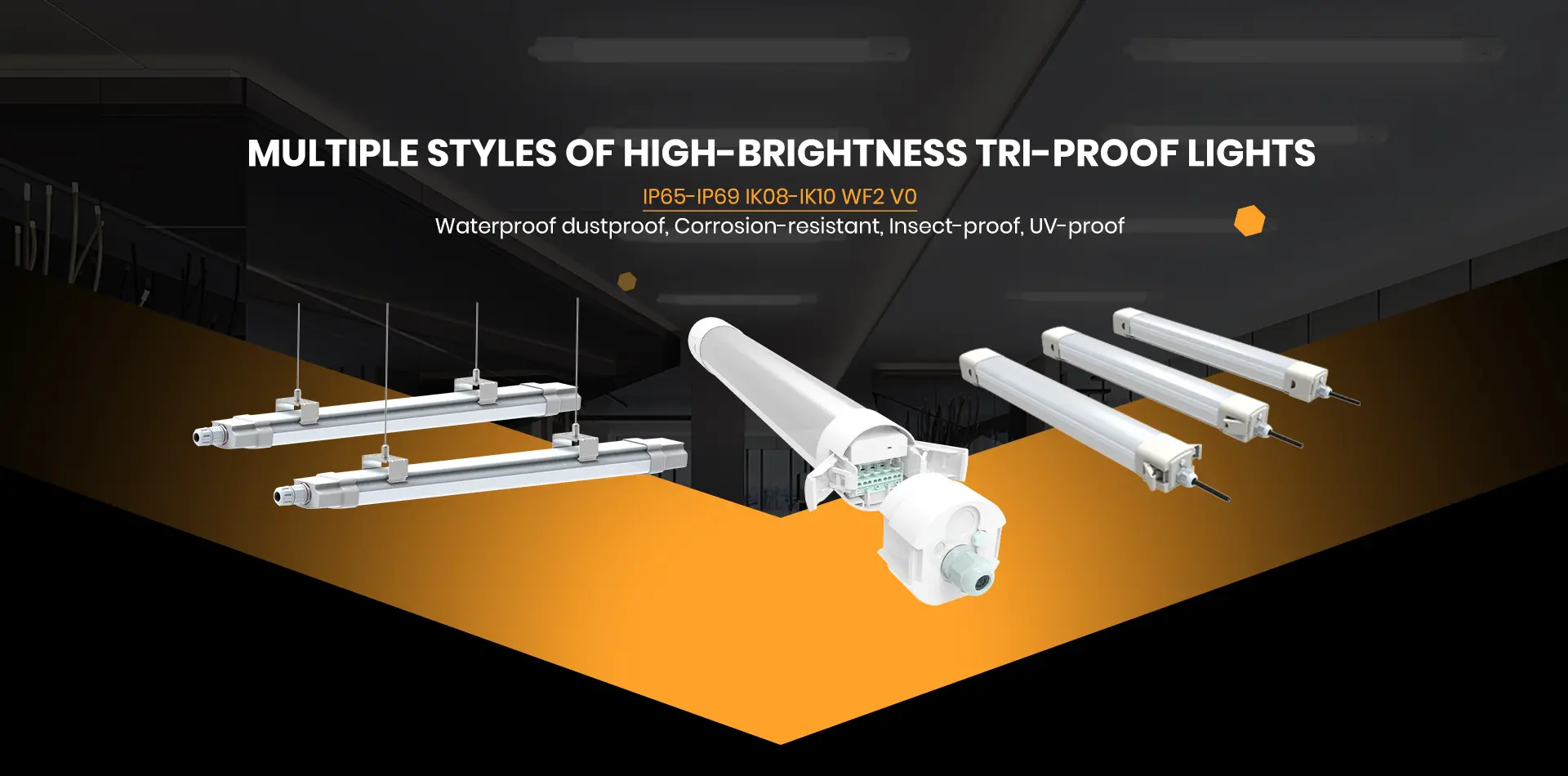
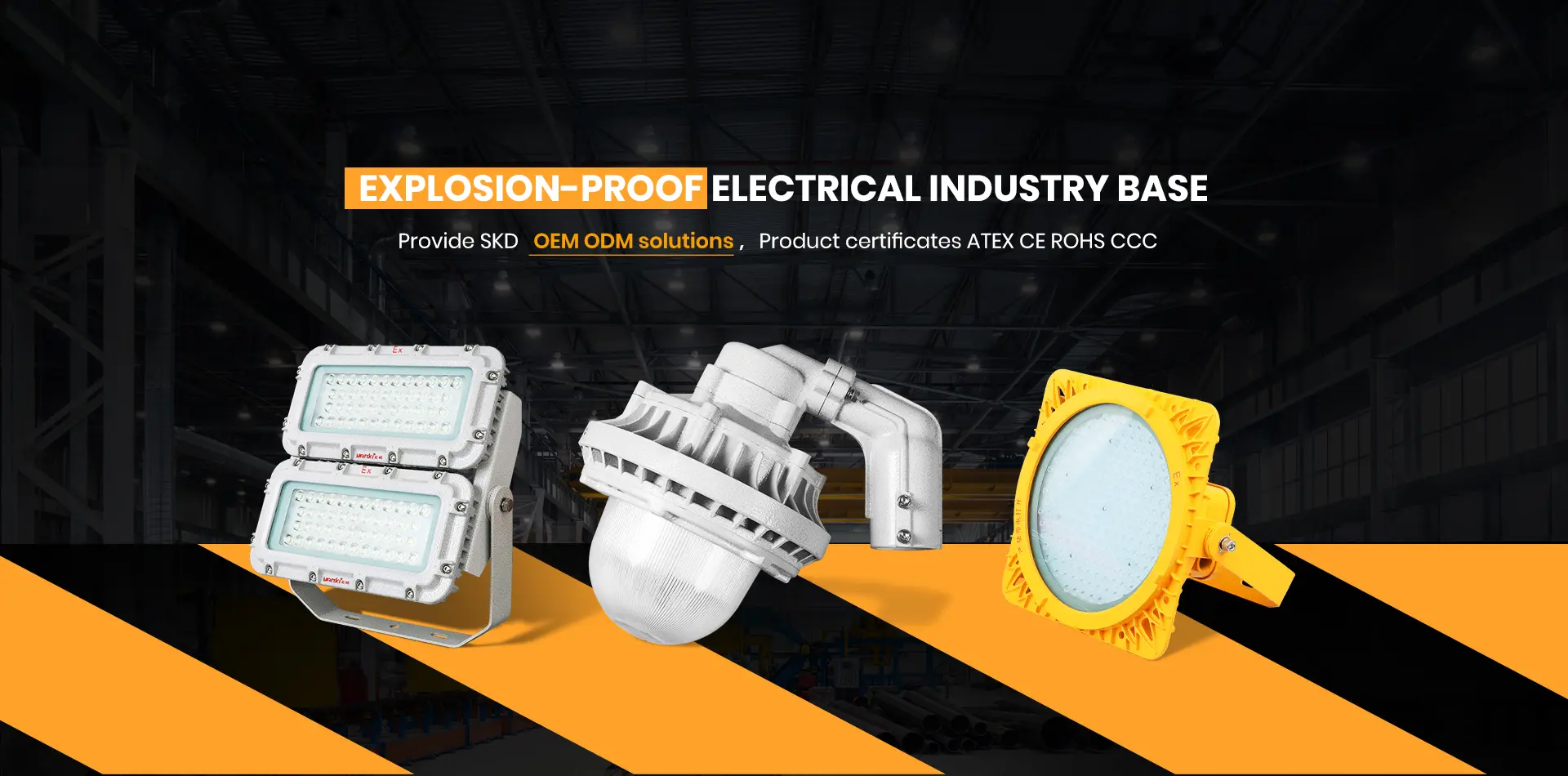
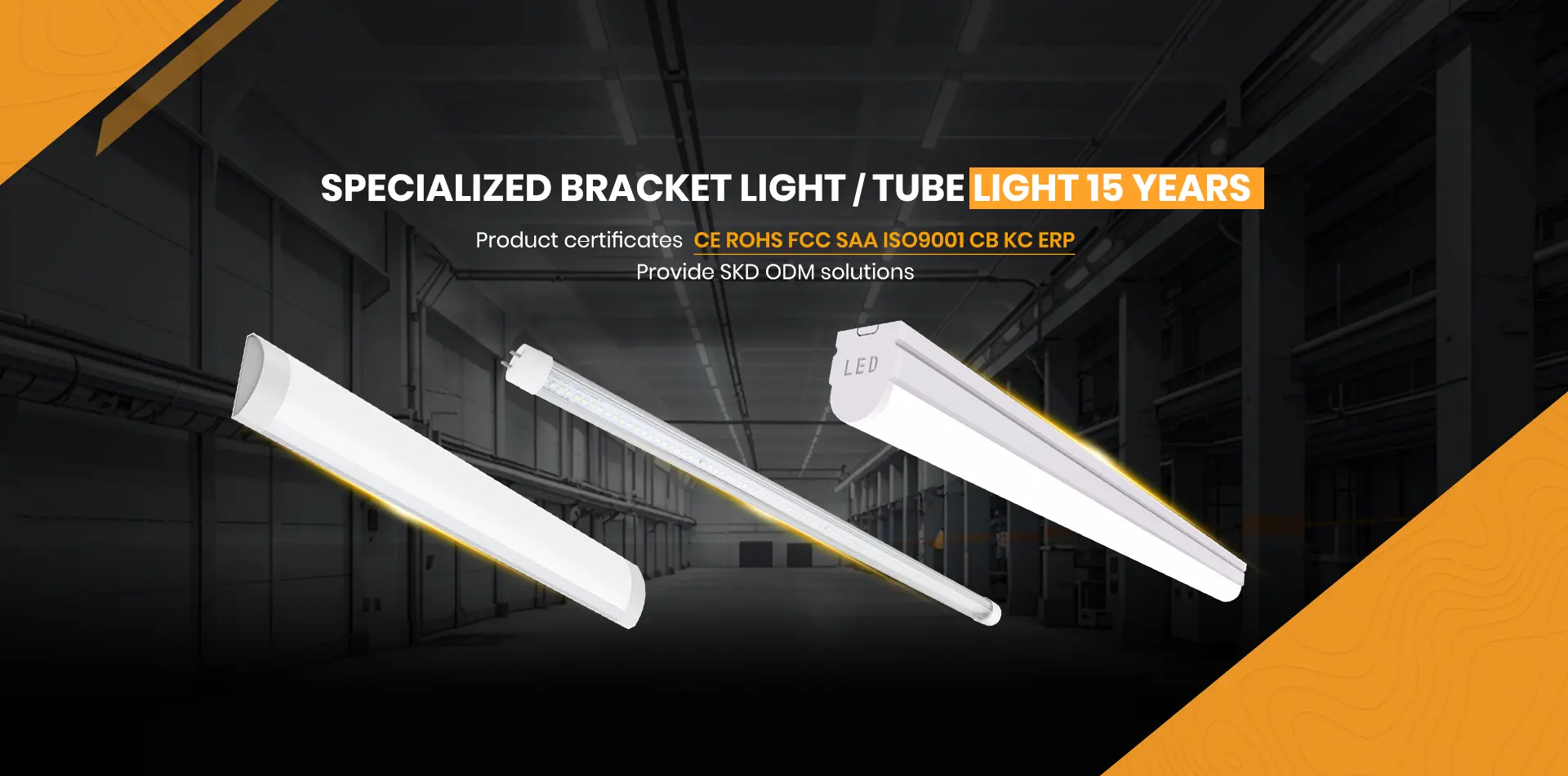
Explore our full line of explosion-resistant floodlights, anti-glare high bays, multi-module fixtures, and corrosion-resistant linear fittings.
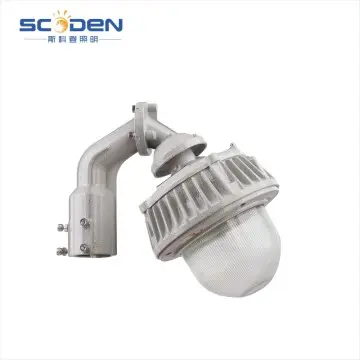
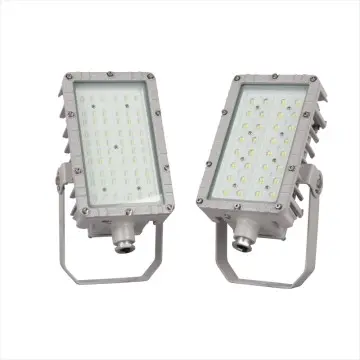
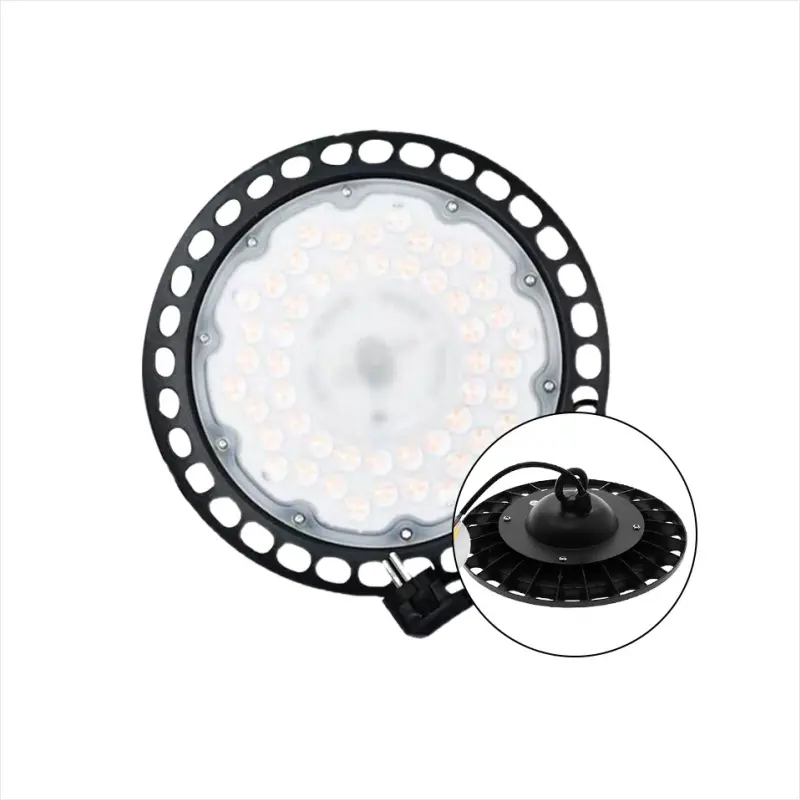
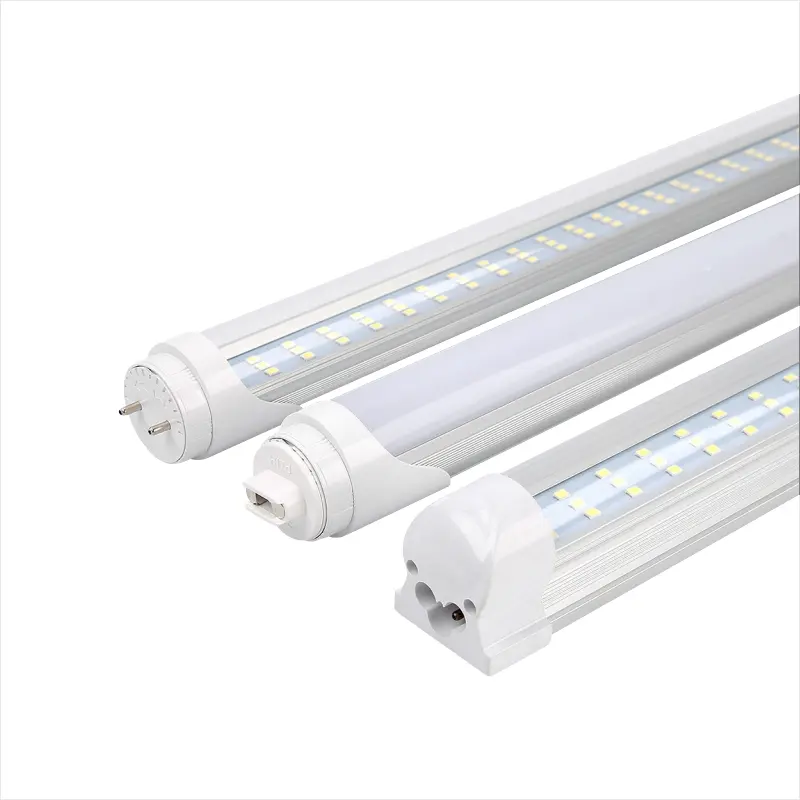
Tour our assembly lines, darkroom goniophotometer testing, and endurance burn-in racks.
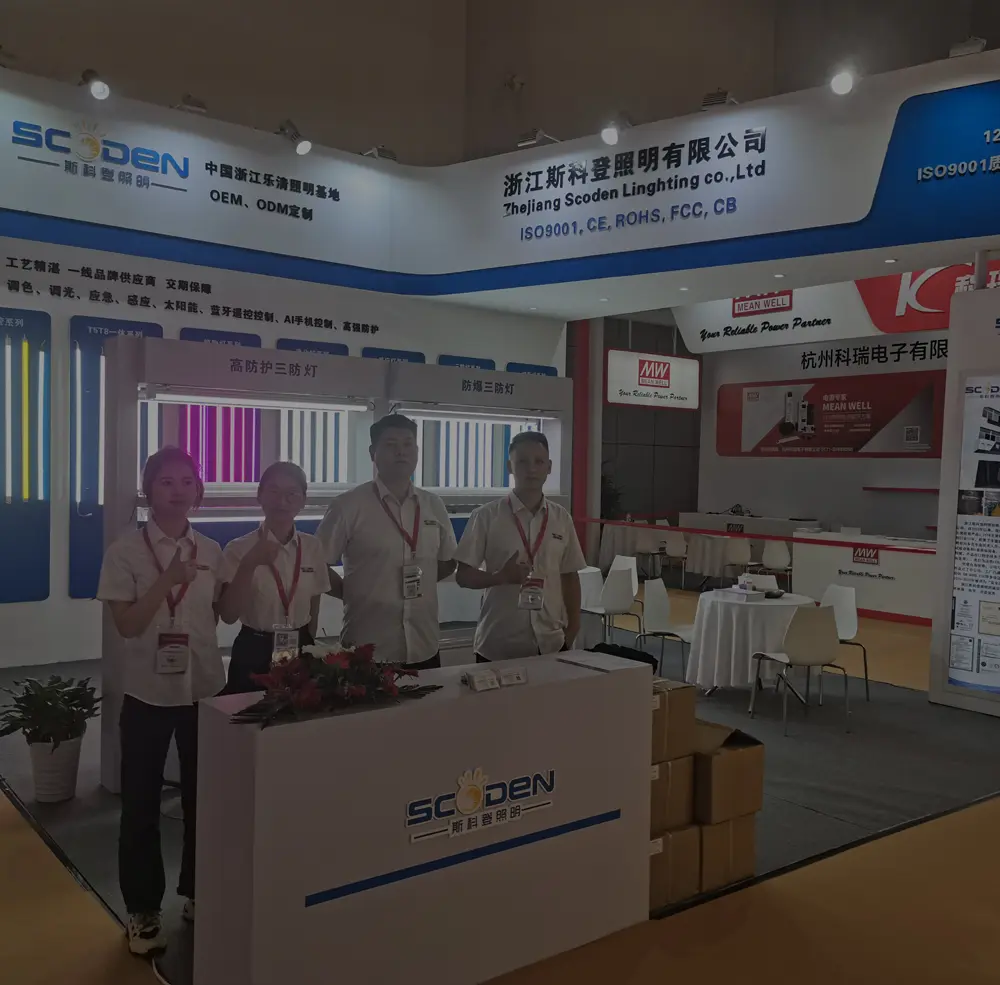
Equipped with high-precision surface mount systems and automated silicone gasket dispensing for consistent IP66 seals on every low-voltage fixture extrusion.
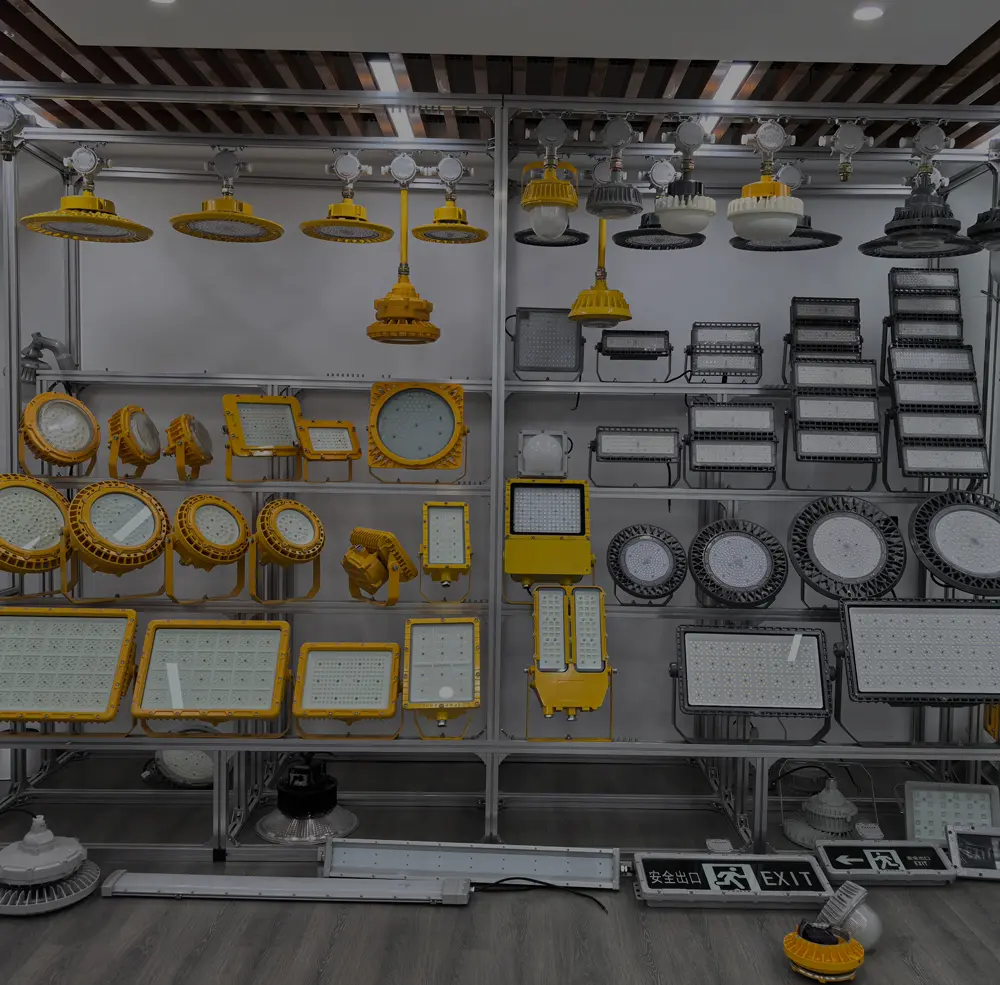
In-house mechanical engineers manage tooling, die modifications, and custom end-cap configurations to meet custom project dimensions.
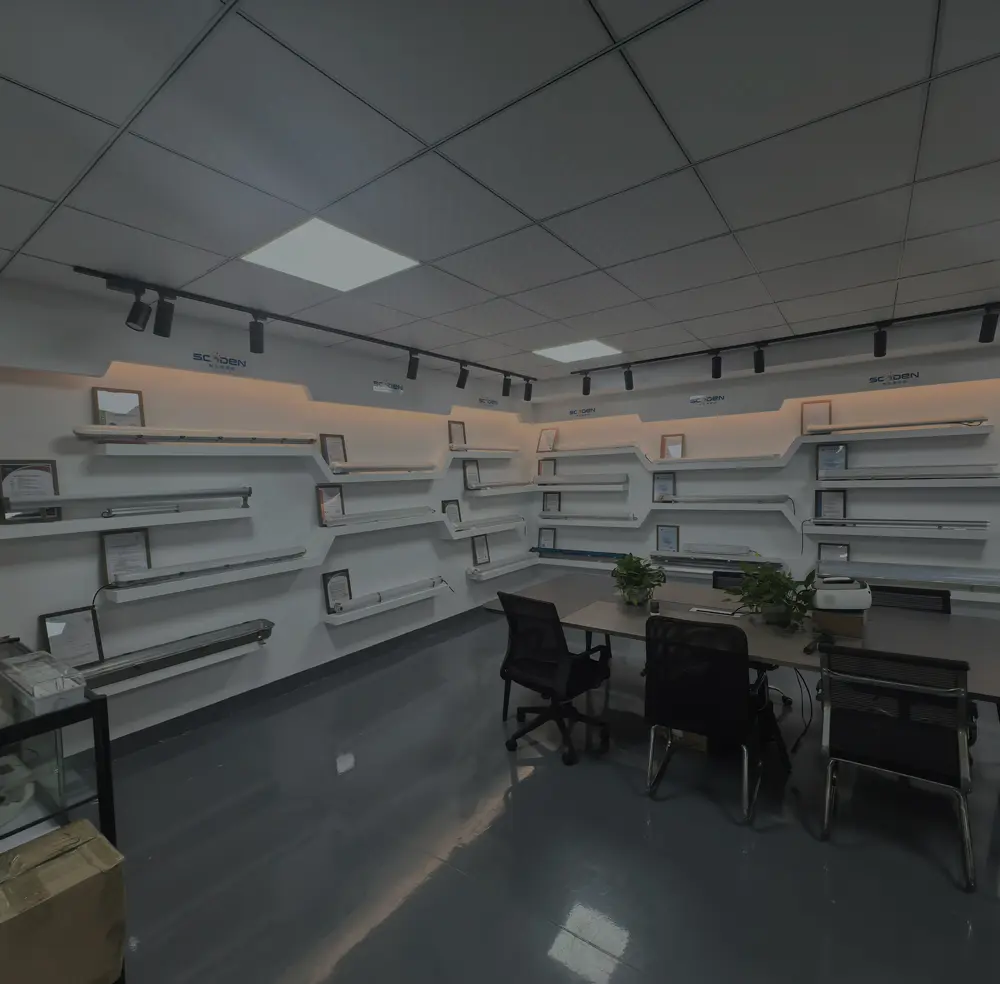
Every single driver and luminaire undergoes a rigorous burn-in cycle alongside high-potential dielectric withstand testing to safeguard against premature field failures.