
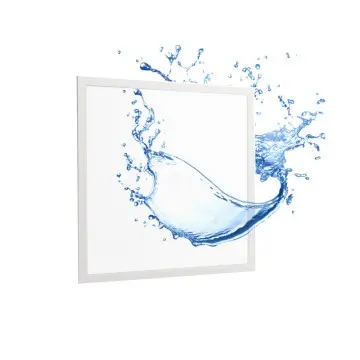
300/600/1200mm 18–60W LED Ceiling Panel Light
18–60 W
Cleanroom Optic
IP65 Sealed
Every luminaire undergoes comprehensive ISO 9001-certified aging, high-voltage withstand safety insulation, and photometric testing in our Yueqing manufacturing facility.
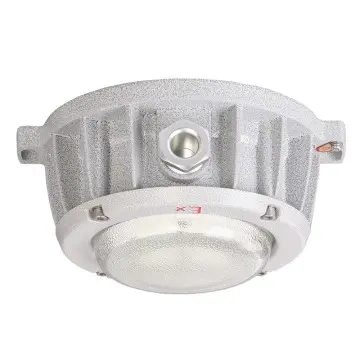
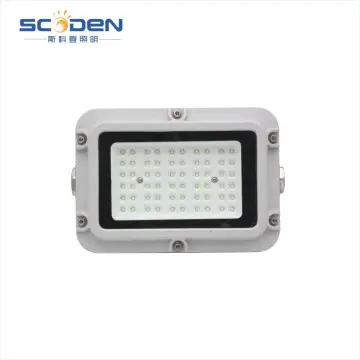
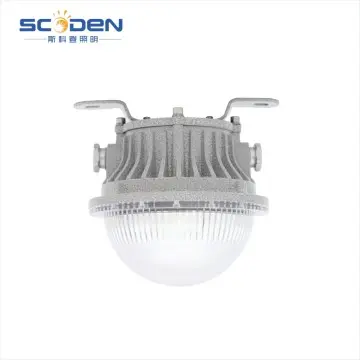
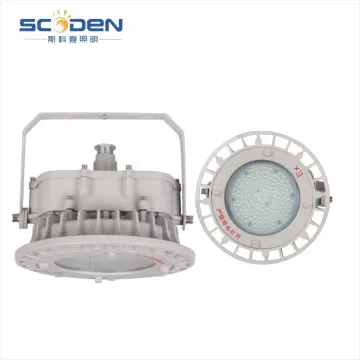
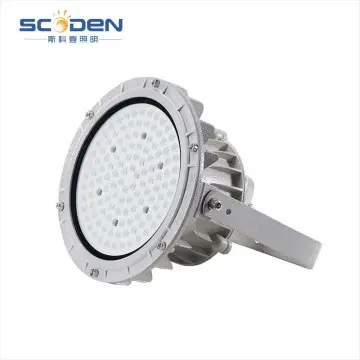
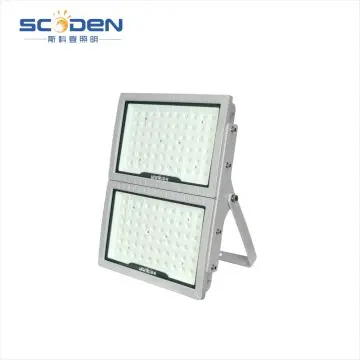
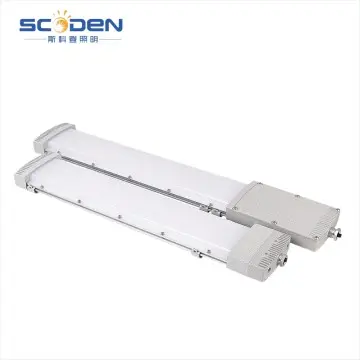
Analyzing technical paradigm shifts, regulatory compliance under ATEX/IECEx directives, and thermal management imperatives across hazardous energy and processing installations.
The global market for hazardous area lighting has reached a pivotal juncture. Driven by stringent workforce safety regulations (such as OSHA 1910 in North America and Directive 1999/92/EC in the European Union), facility engineers are aggressively replacing obsolete High-Intensity Discharge (HID), metal halide, and conventional fluorescent fixtures with advanced solid-state LED systems. In environments saturated with volatile gases, combustible vapors, and airborne organic dusts, a basic industrial fixture poses an catastrophic combustion hazard. Luminaire containment engineering must prevent internal electrical arc faults, high surface heats, or mechanical impacts from propagating an external thermal ignition event.
A central benchmark in modern specification criteria is the IP66 ingress protection standard. While basic explosion-proof enclosures historical focused purely on containment (flamepaths for Ex d enclosures), modern installations in chemical handling depots, offshore oil rigs, and marine loading terminals demand absolute sealing against high-pressure water jets and extreme atmospheric humidity. Without a robust IP66 barrier, microscopic moisture ingress combined with sulfurous or saline compounds induces rapid PCB trace corrosion, conformal coating degradation, and irreversible optical yellowing.
Furthermore, energy optimization requirements driven by Corporate Sustainability Due Diligence Directives (CSDDD) and carbon neutrality mandates have positioned high-efficacy IP66 explosion-proof lamps (delivering 120 to 140 lm/W) as critical infrastructure components. By utilizing intelligent microwave occupancy dimming and emergency battery integration, industrial facilities achieve over 65% power draw reduction while enhancing spatial lux uniformity across Zone 1 and Zone 2 hazardous classified quadrants.
Precision multi-cavity aluminum heat sinks isolate drivers from LED clusters, keeping maximum surface temperatures safely under T4/T5/T6 regulatory flashpoints.
Continuous silicone foamed-in-place seal rings deliver uninterrupted barrier protection against torrential rains, washdowns, and micro-particle coal/grain dust.
Tempered borosilicate glass diffusers paired with heavy die-cast cages protect optical integrity against vibrating structural frames and accidental tool drops.
Advanced integrated drivers feature low THD (<10%) and 6kV/10kV lightning surge protection to withstand unstable remote power grid transients.
Leveraging the complete electrical industrial chain of Zhejiang Skodan Lighting Co., Ltd. located within China's Electrical Capital.
Global engineering, procurement, and construction (EPC) contractors consistently confront a dual challenge: minimizing equipment CapEx while fulfilling strict safety compliance under international certifications. China's electrical industrial ecosystem—centered precisely in Yueqing, Wenzhou—has evolved from low-cost assembly into a sophisticated, high-precision engineering hub. At Scoden Lighting (Zhejiang Skodan Lighting Co., Ltd.), this concentrated industrial geography allows us to shorten prototyping, casting, mold development, and batch delivery timelines by more than 45% compared to European or North American competitors.
Our 2,000 m² factory integrates automated precision cutting machines, high-tonnage punching presses, automated glue dispensing systems, and fiber laser marking for indelible ATEX/CE identification.
We do not rely on third-party estimates. Our in-house goniophotometer darkroom generates true-to-life IES photometric files directly utilized by engineering consultants in DIALux and Relux calculations.
From custom heat sink extrusions to complete Semi-Knocked-Down (SKD) kits for localized assembly, Scoden lowers destination customs duties while accelerating local market homologation.
A rigorous engineering guide based on IEC 60079 and EN 60598-1 international requirements to eliminate procurement discrepancies.
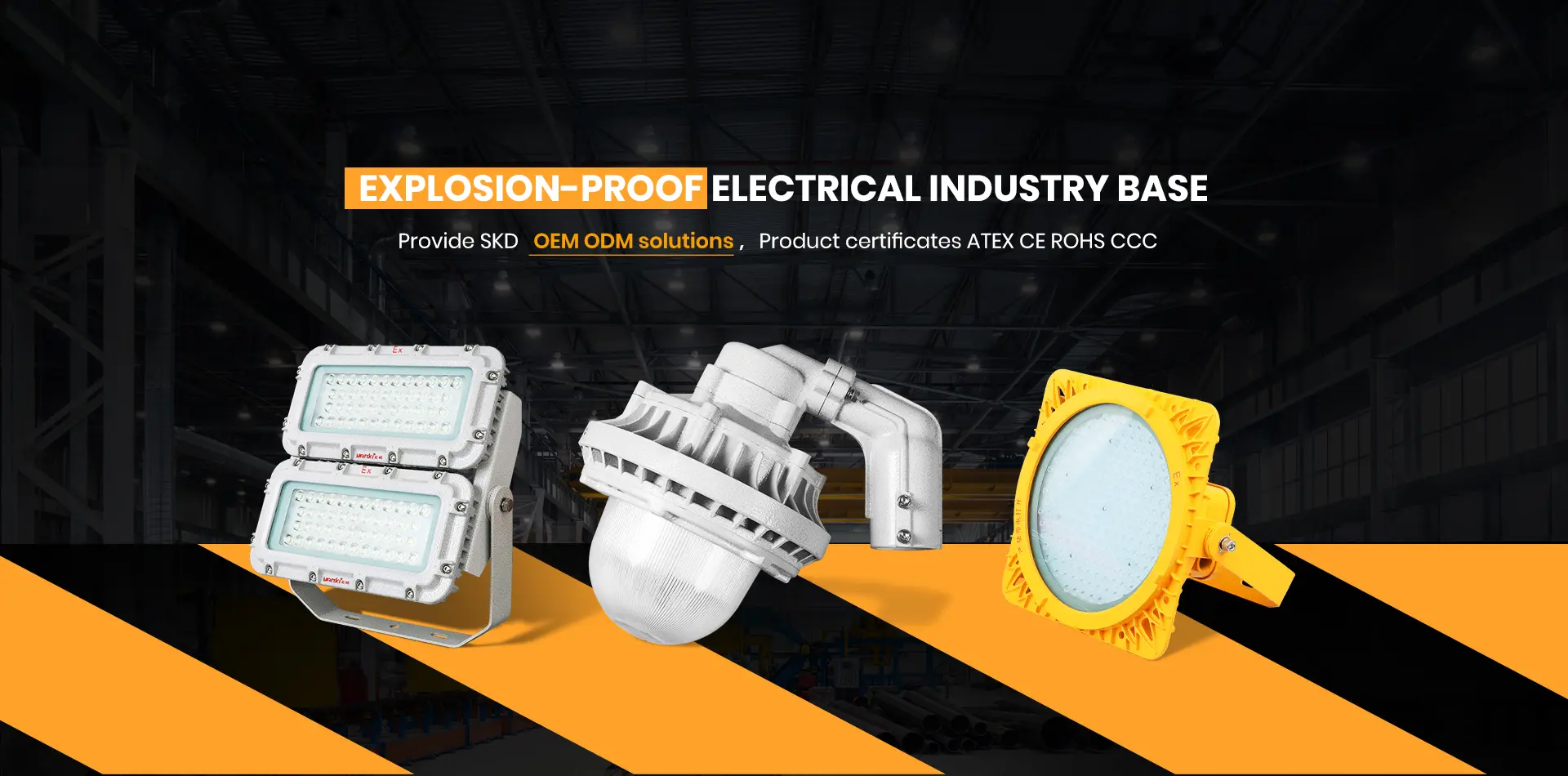
Zone 1 / Zone 2 environments containing explosive hydrocarbon vapors (IIA, IIB, IIC). Demands flameproof enclosures (Ex d) preventing internal explosive sparks from breaching the exterior.
Zone 20, 21, and 22 combustible organic dust environments. Fixtures require dust-ignition proof designs (Ex tb/tc) with certified IP66 seals to avoid thermal smoldering of settled dust layers.
Continuous salt fog, high humidity, vibration, and UV exposure. Features marine-grade copper-free die-cast aluminum coated with specialized electrostatic fluorocarbon corrosion inhibitors.
| Temperature Class (T-Rating) | Maximum Luminaire External Surface Temp | Target Gas Auto-Ignition Temperature | Typical Industrial Gas Groups |
|---|---|---|---|
| T1 | ≤ 450 °C | > 450 °C | Methane, Hydrogen Gas Mixtures |
| T2 | ≤ 300 °C | > 300 °C ≤ 450 °C | Ethanol, Propane, Butane, Ethyl Alcohol |
| T3 | ≤ 200 °C | > 200 °C ≤ 300 °C | Gasoline, Kerosene, Diesel Jet Fuel |
| T4 | ≤ 135 °C | > 135 °C ≤ 200 °C | Acetaldehyde, Standard Refineries (Scoden Standard) |
| T5 | ≤ 100 °C | > 100 °C ≤ 135 °C | Specialized Chemical Handling Facilities |
| T6 | ≤ 85 °C | > 85 °C ≤ 100 °C | Carbon Disulfide, Highest Safety Margin |
How the integration of AI-enabled sensor arrays, DALI-2 protocols, and modular driver topologies is redefining total cost of ownership (TCO).
Traditional PIR infrared sensors degrade rapidly under dusty conditions. High-frequency 5.8 GHz microwave sensors detect subtle movement through glass and polycarbonate covers, enabling autonomous step-dimming down to 10% or 20% standby levels during inactive night shifts.
Centralized control architectures allow operators to monitor driver core temperatures, power factor drift, and remaining component lifespan across thousands of installed floodlights without deploying inspection personnel to dangerous elevated boom fixtures.
Instead of discarding entire fixtures when power supplies fail due to severe utility surges, next-generation Scoden luminaires feature rapid-access, isolated driver compartments that facilitate tool-free five-minute field maintenance, slashing facility maintenance downtime.
Detailed technical documentation, certification verifications, and operational clarity provided directly by Scoden's electrical engineering division.
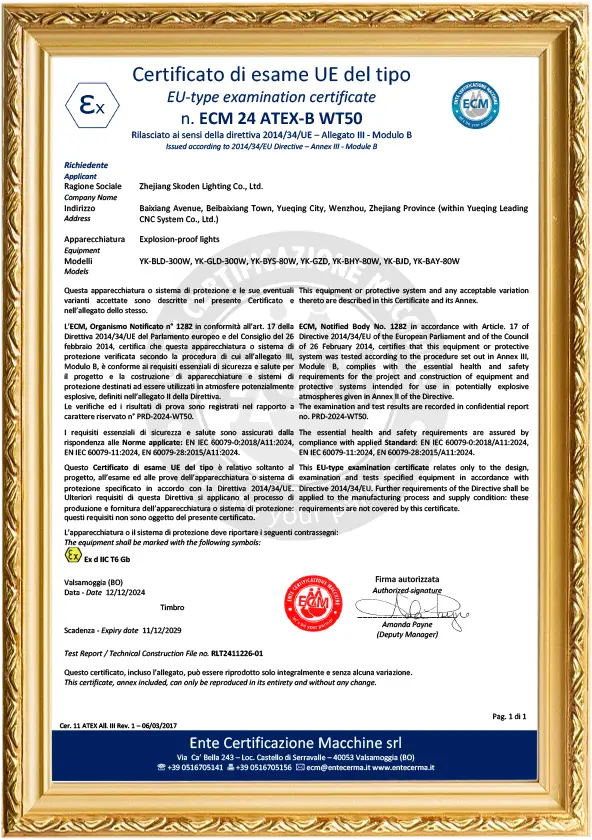
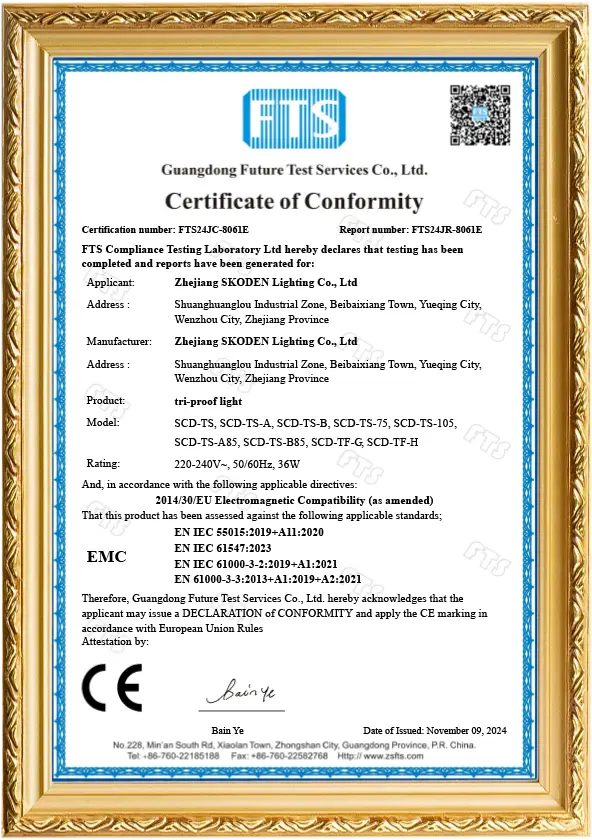
Compliance you can verify. Every fixture is subjected to strict dielectric breakdown testing, darkroom verification, and sustained thermal stress.
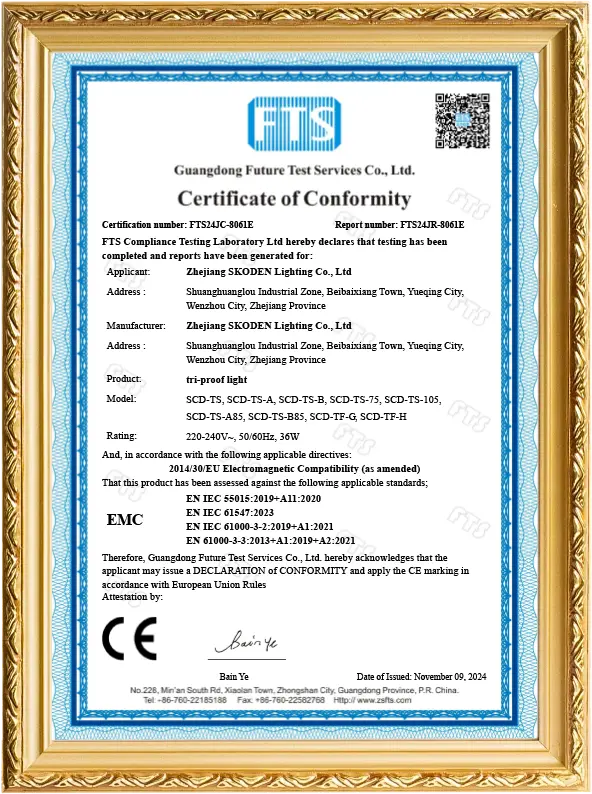
ISO 9001 Quality System
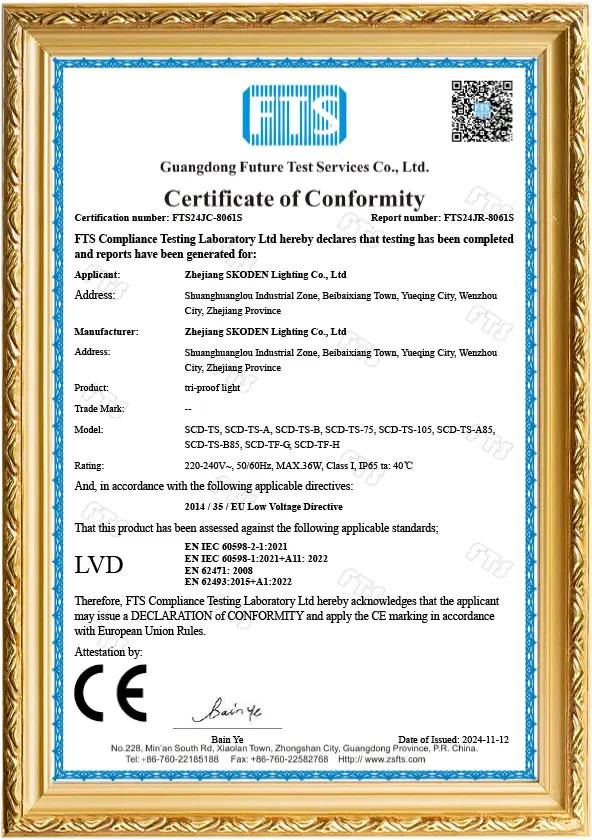
CE LVD/EMC Standard
RoHS Directive Verification
IP66 Waterproof & Dust Ingress



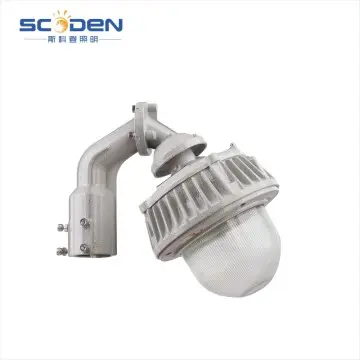
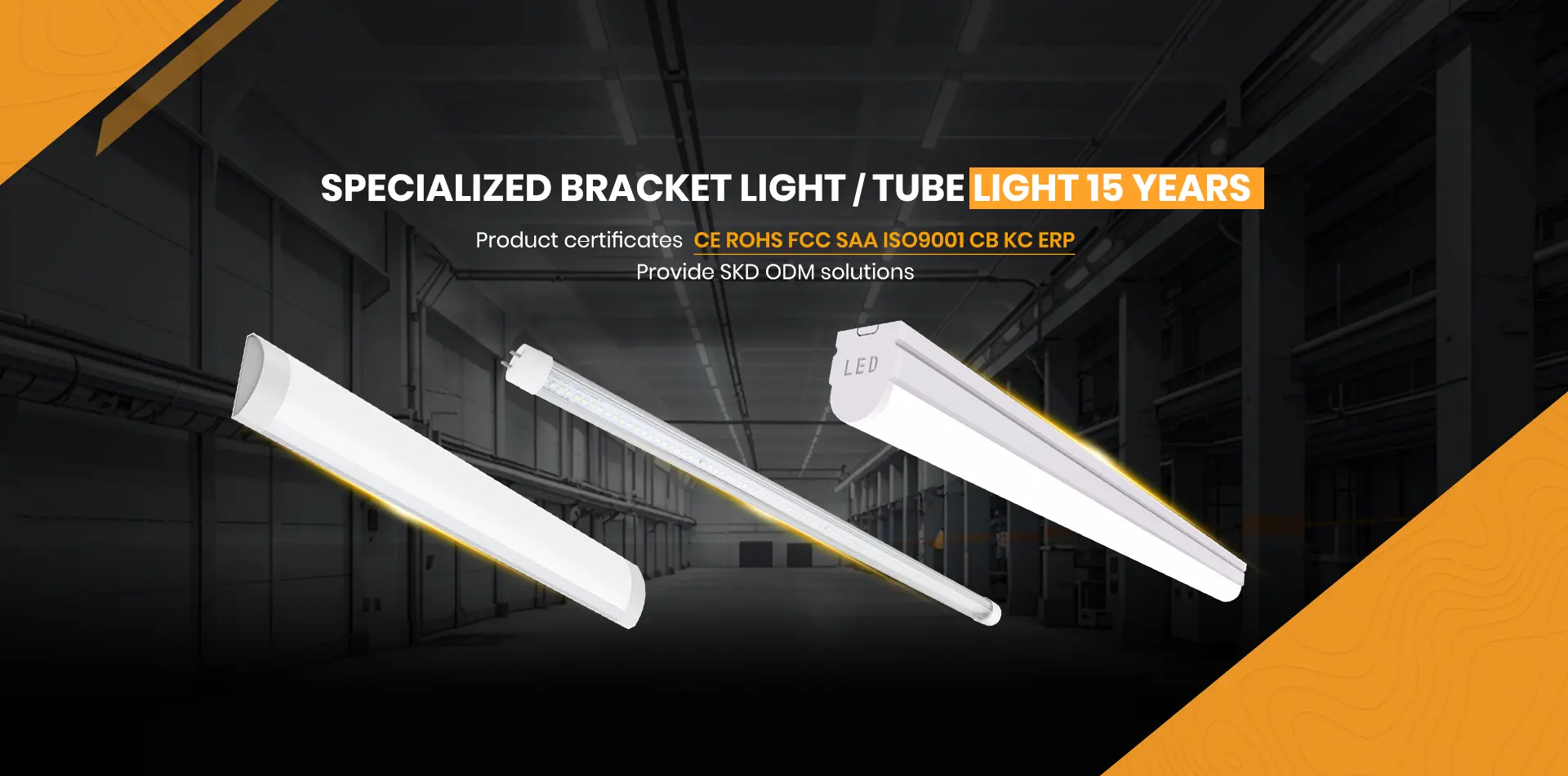
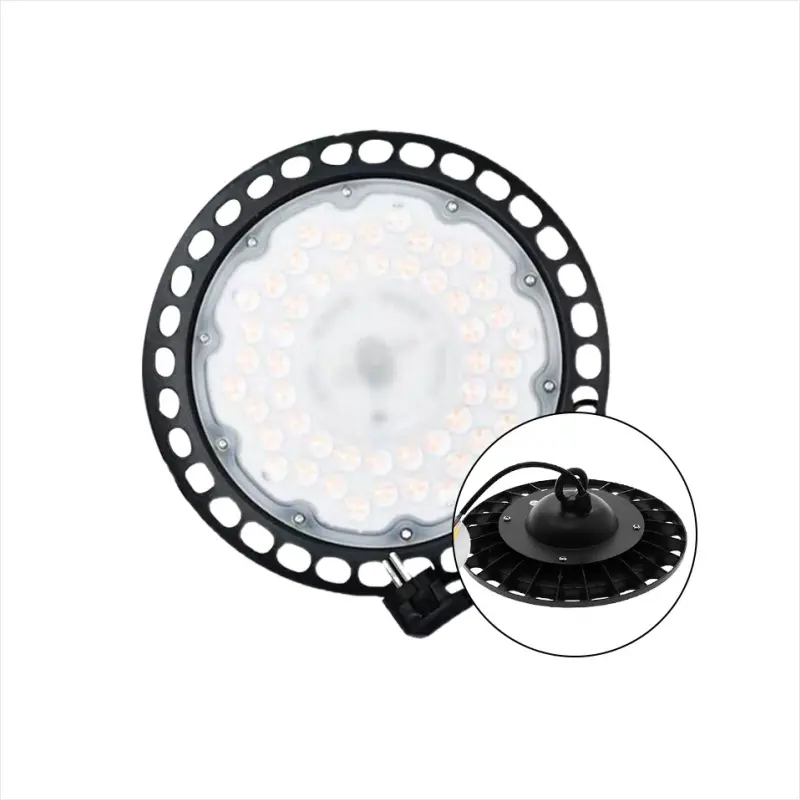
Explore our complete range of specialized industrial luminaires, bracket lamps, and intelligent high bay arrays engineered for zero maintenance.
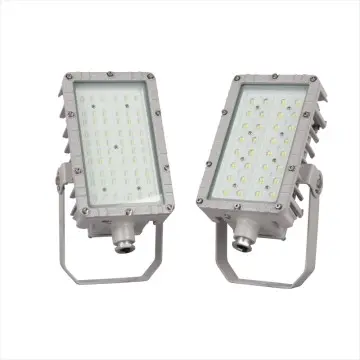
Submit your hazardous zone boundaries, ambient temperature profiles, mounting heights, and target lux specifications. Our in-house technical team will provide comprehensive photometric calculations and quotation schedules within 24 hours.